“What you’re not changing you’re choosing.”
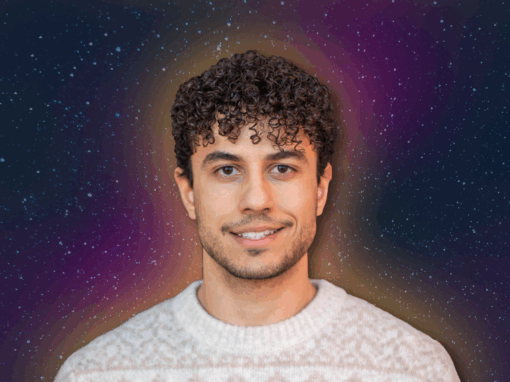
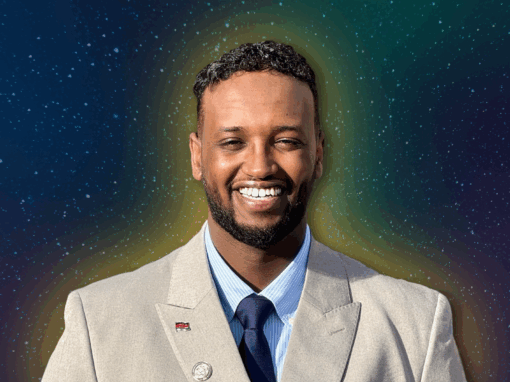
Kareem Sadek
TOP 30 UNDER 30 HONOUREE | 2026
About
PROFILE SNAPSHOT
AGE: 25
PRONOUNS: He/Him
HOMETOWN: Fort McMurray, Alberta, Canada
CURRENT RESIDENCE: Calgary, Alberta, Canada
ORGANIZATIONS:
-
- Futures in Focus
- Orbis Canada
- Calgary Student Run Clinic
- Shad Western
- Futures in Focus
GLOBAL IMPACT FOCUS (SDGs)
I am most passionate about:
What specific issue(s) are you working to address, and what motivates you to do so?
I am taking on inequities in access to early health screening and trusted, community-led health education, particularly for children in remote and underserved settings. What motivates me is seeing how preventable gaps, like missed vision issues or unclear pathways to care, can quietly affect learning, confidence, and long-term opportunities. I have also learned that access is not just about services existing, it is about whether people trust them, understand them, leading to follow through.
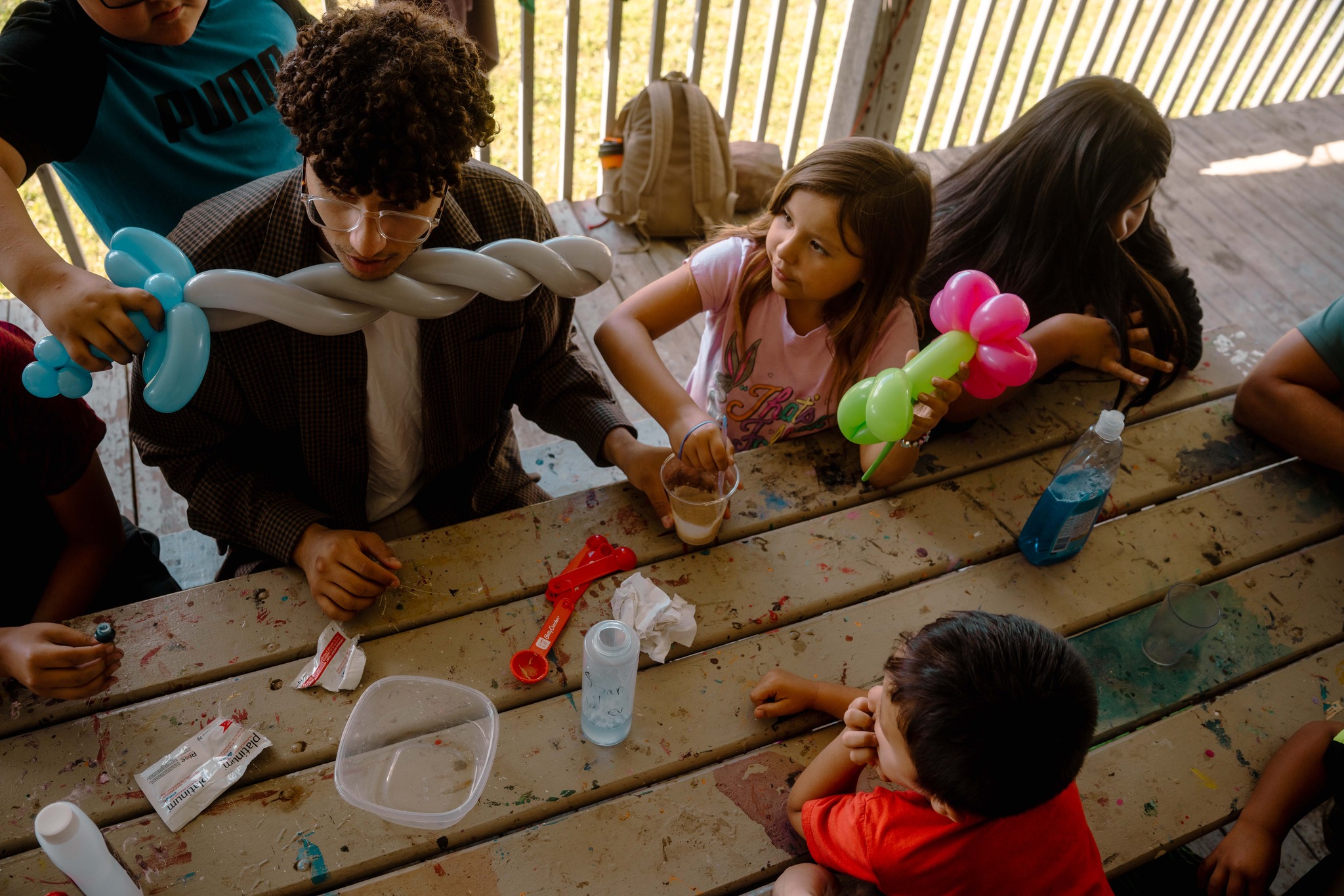
My work in Fort McKay reflects this. Before Futures in Focus existed, I delivered Summers of Science as an engaging summer STEAM camp. It was a way to show up, build relationships, and learn what meaningful engagement looked like in that community. That experience helped me understand that connection comes first. You earn trust through presence, listening, and reliability, not through a polished idea.
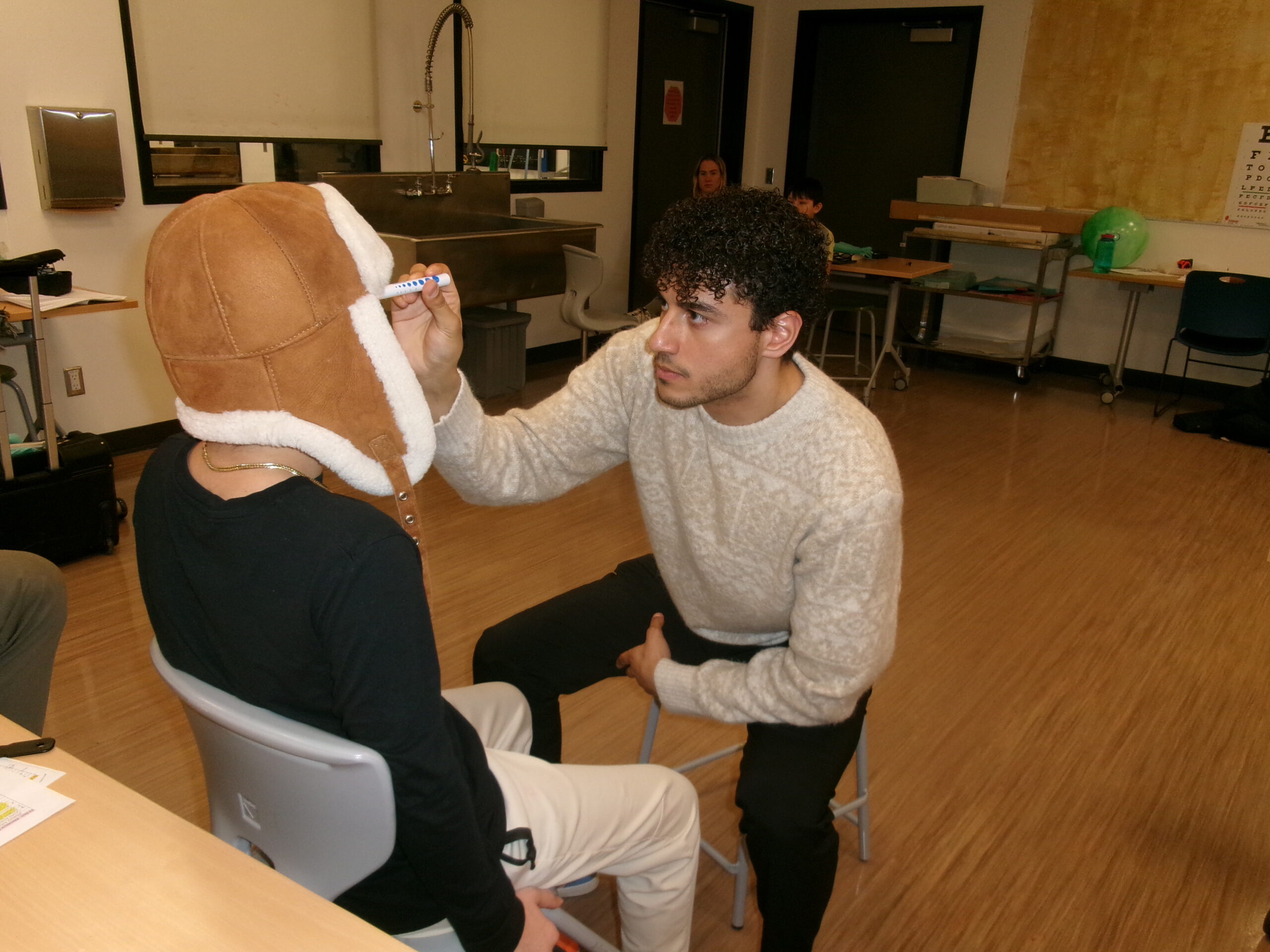
That groundwork helped set the roots for Futures in Focus, a semi-annual program co-designed with the Fort McKay Health and Wellness Centre and Elsie Fabian School. It integrates vision and health screening with STEAM activities, and it is shaped by community input. The impact I care about most is not the day of screening. It is what happens after, meaning clear referral pathways and follow-through so positive screens lead to assessment and support.
This work aligns most directly with SDG 3 (Good Health and Well-being) through early screening, access pathways, and community-anchored care. It also connects with SDG 4 (Quality Education) because improving vision and health support directly improves a child’s ability to participate and succeed at school.
What are the ways in which you curate connection?
Connection is something I practice most intentionally through Shad Western, where I have spent five years working with high school students and learning how to translate curiosity into real ownership. As the Program Director, I designed and led Shad Western’s Vision Advocacy and Awareness Expo, which was a large-scale, local event that connected students with multiple vision-related stakeholders and a panel of individuals who shared stories of their lived experience. I made a deliberate choice to design the Expo around people with lived experience of blindness and partial sight, not around what students or organizations assumed was most important. That meant inviting panellists early, vetting questions, being careful with language, and adjusting the structure based on what they wanted to share. The collaboration included Orbis, CNIB, W. Ross Macdonald School for the Blind, Canadian Council of the Blind, 20/20 Mission, Parkwood Institute, and Sensity.
From there, I built connection into sustained action by creating and leading Shad Western’s inaugural Charity Committee to support Orbis Canada. Students ran a month-long campaign with small events and community-facing moments like Open Day fundraising and a silent auction, which invited families and supporters to join us in this shared mission. Together, we raised over $8,600. For me, the balance is always the same: I bring structure and momentum, but I keep decision-making grounded in the people most affected. A moment that changed my approach came from listening to panellists explain how certain terminology and well-intended messaging surrounding blindness and visual impairment can still feel stigmatizing or inaccurate. That feedback shifted my mindset from awareness as the goal to dignity and representation as the standard, and it has made me more disciplined about who sets the terms and how accountability is built into the work.
What role will connection play in your future work?
Connection will be central to my future work as I train to become a physician. In development work, connection is how you earn trust, understand what people actually need, and design care that fits real life. As a future physician, that means building partnerships with patients and families so care plans account for barriers like transportation, childcare, language, cost, and past experiences with the health system. It also means working closely with community organizations that already have trust and insight, instead of expecting patients to navigate complex systems on their own.
I have already seen the importance of connection through Futures in Focus in Fort McKay, where screening only matters if families feel safe participating and if there is a clear referral pathway and follow-through afterward. That experience reinforced for me that lasting impact comes from closing the loop and staying accountable to the community, not just delivering a one-time service.
To harness connection for meaningful, lasting change, the connections need to be long-term and reciprocal. Communities, clinicians, and partners need shared decision-making and clear roles, along with practical structures like referral workflows, regular debriefs, and feedback loops that allow programs to improve over time. I also learned from centering lived experience in advocacy work that even well-intended messaging can miss the mark if it is not guided by the people most affected. Listening to that feedback shifted my standard from awareness alone to dignity, representation, and shared ownership.
Yes, connection can drive the future of sustainable, inclusive development because many problems are linked, including health, education, and equity. Strong relationships make care more culturally safe, more accessible, and more durable, and that is exactly the kind of physician I am working to become.
More Top 30s from 2026