“Never doubt that a small group of thoughtful, committed citizens can change the world; indeed, it’s the only thing that ever has”
– Margaret Mead
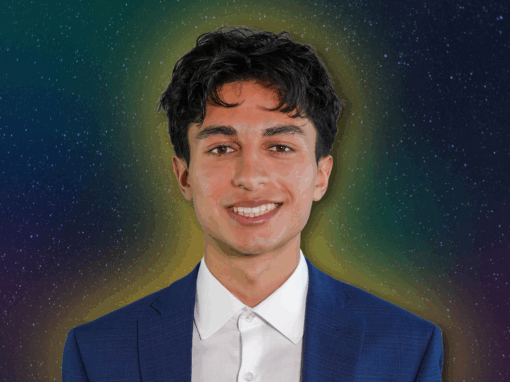
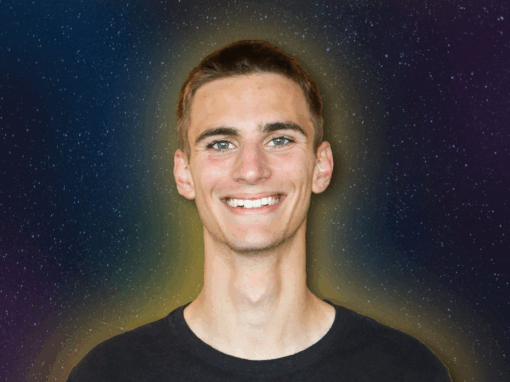
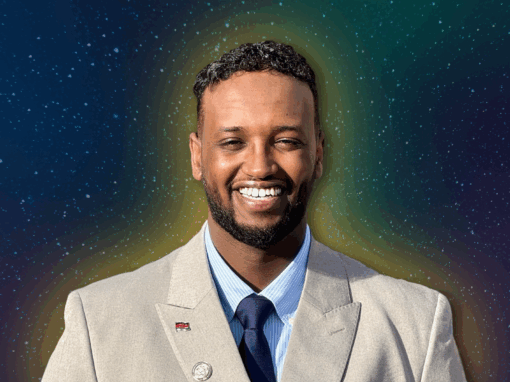
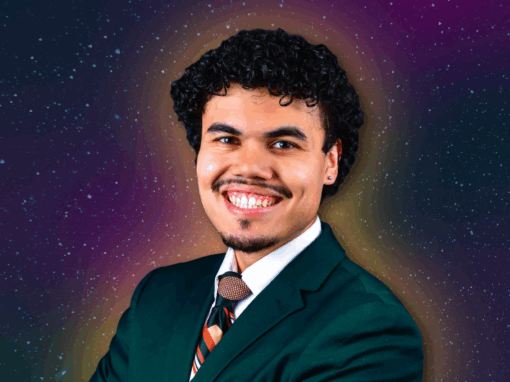
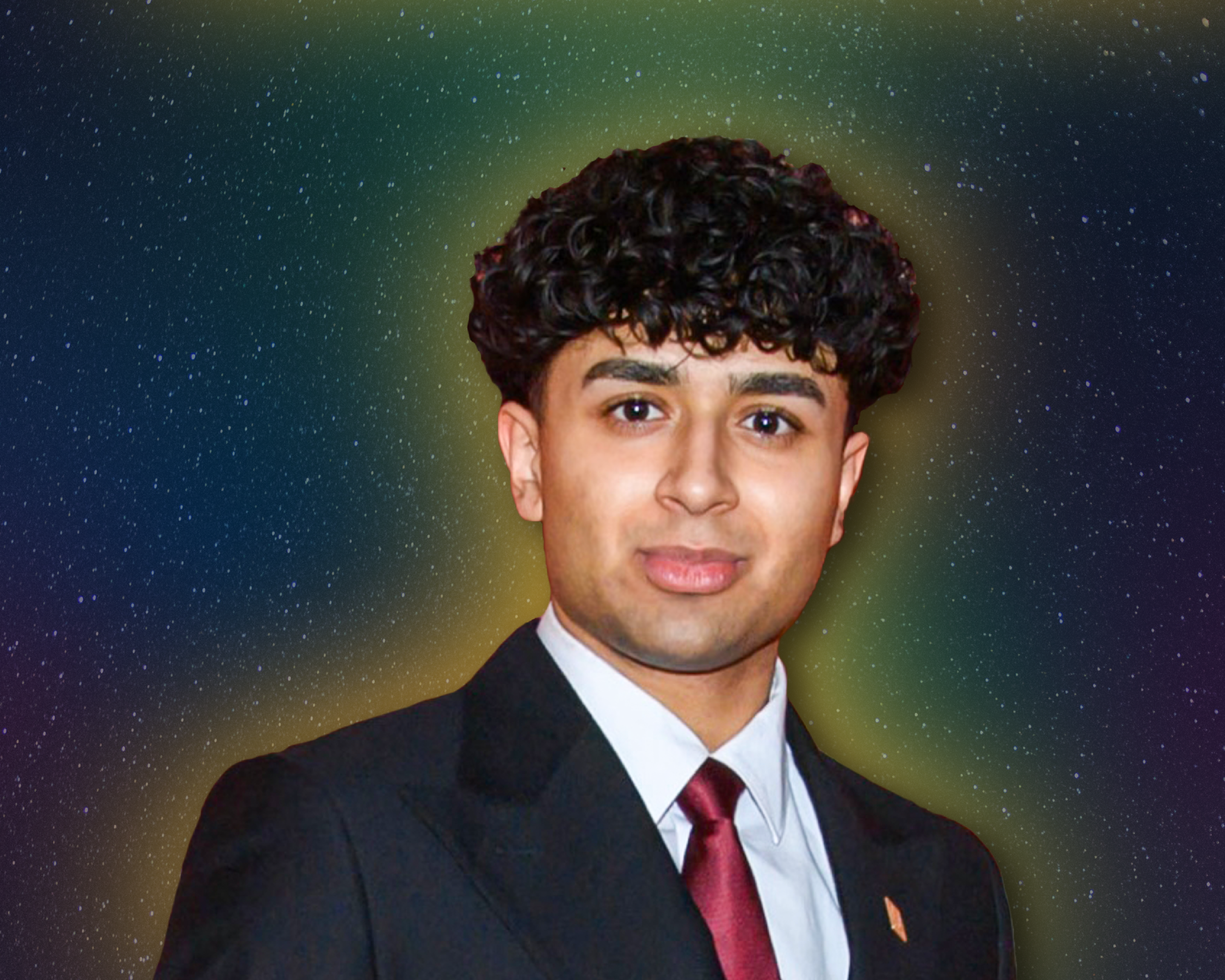
Kamran Shukoor
TOP 30 UNDER 30 HONOUREE | 2026
About
PROFILE SNAPSHOT
AGE: 18
PRONOUNS: He/Him
HOMETOWN: Calgary, Alberta, Canada
CURRENT RESIDENCE: Calgary, Alberta, Canada
ORGANIZATIONS:
-
- Canadian Blood Services
- Library and Archives Canada
- Royal Canadian Mounted Police
- House of Commons of Canada
- Children First Canada
- Young Politicians of Canada
- Canadian Blood Services
GLOBAL IMPACT FOCUS (SDGs)
I am most passionate about:
What specific issue(s) are you working to address, and what motivates you to do so?
My work is focused around the incredibly needed yet often rare intersection of healthcare and policy. Spurred by the death of my grandmother at the hands of medical negligence, I have since aimed to carry on her legacy of leadership and mitigate preventable deaths like hers. That experience reshaped my understanding of healthcare not as an isolated clinical issue, but as a systems problem rooted in policy, accountability, and leadership.
Since then, my work has focused on preventing avoidable harm by strengthening health systems and democratizing leadership, particularly for youth. I understood that young people like myself had a particularly difficult time entering the world of leadership, often solely because of their age. It is for that reason that I began creating pathways for youth to influence policy and civic systems.
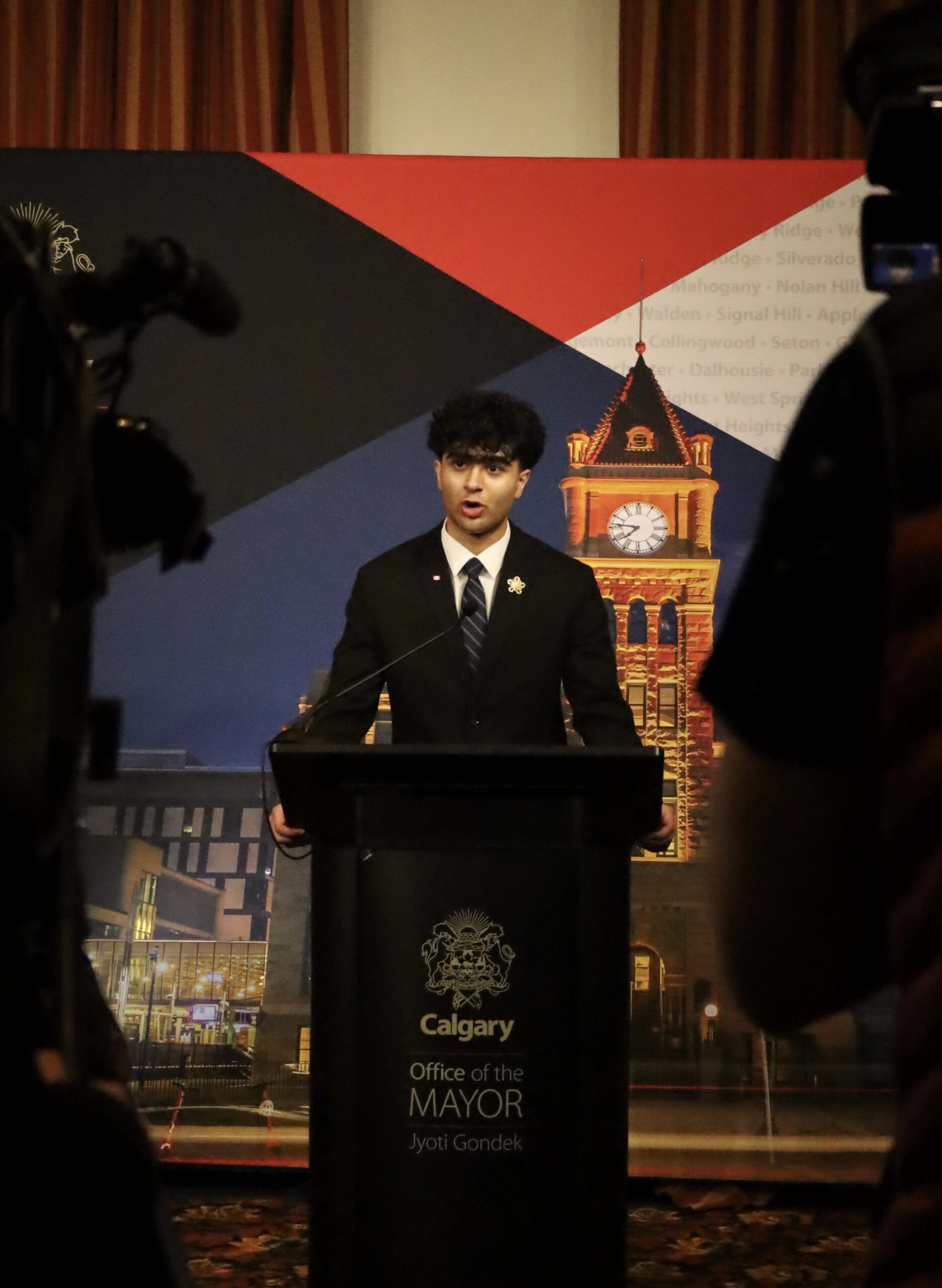
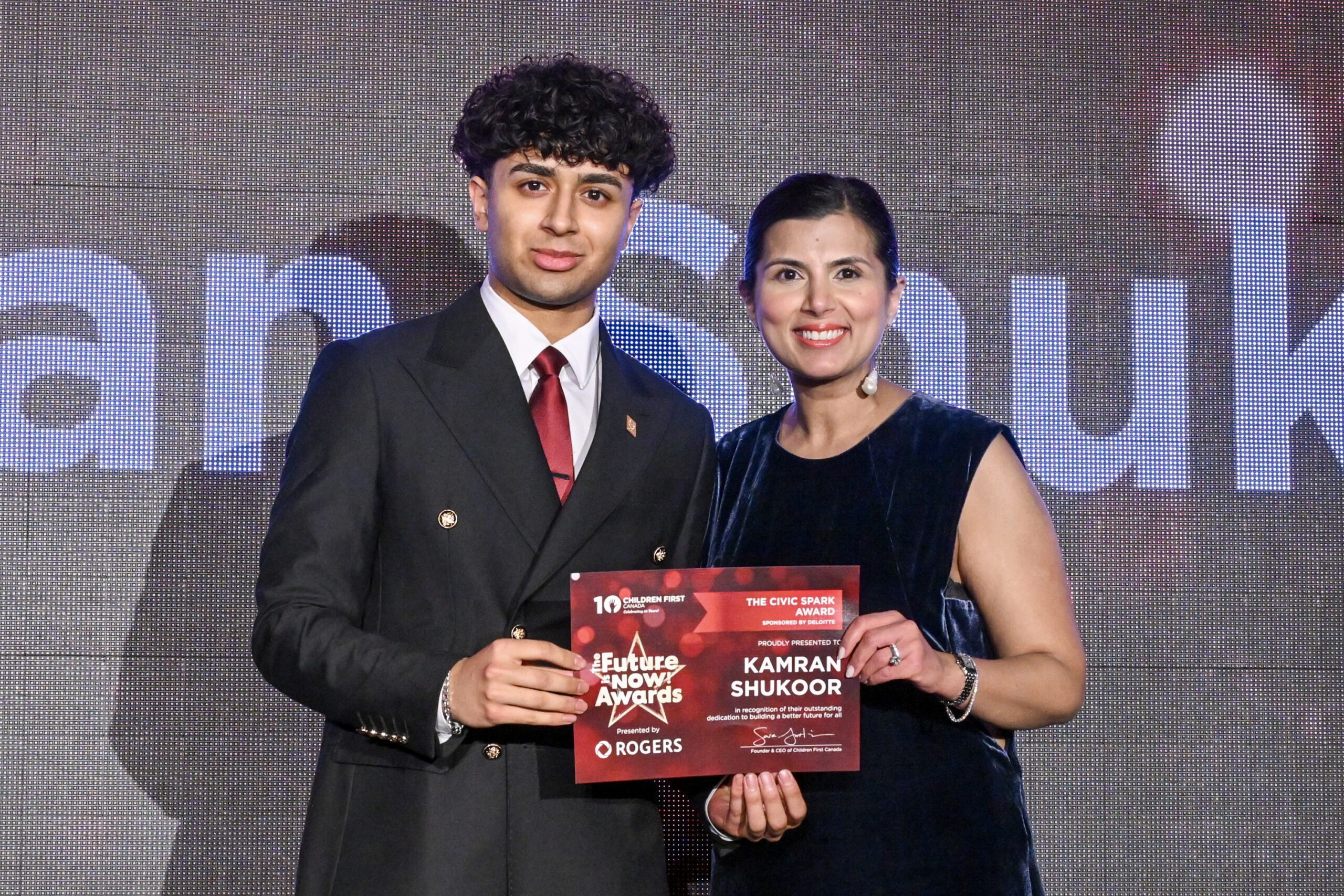
At 17, I was named Honorary Mayor of Calgary, where I campaigned on government transparency, AI integration for road safety, and youth engagement. I am proud that every single one of my proposals was implemented, proving that youth-led ideas can translate into tangible outcomes. This work also involved connecting marginalized groups, including youth, to credible civic and informational resources, which is an effort for which I was recognized nationally as one of Canada’s Top 10 Youth Under 18 and awarded the Civic Spark Award by Deloitte.
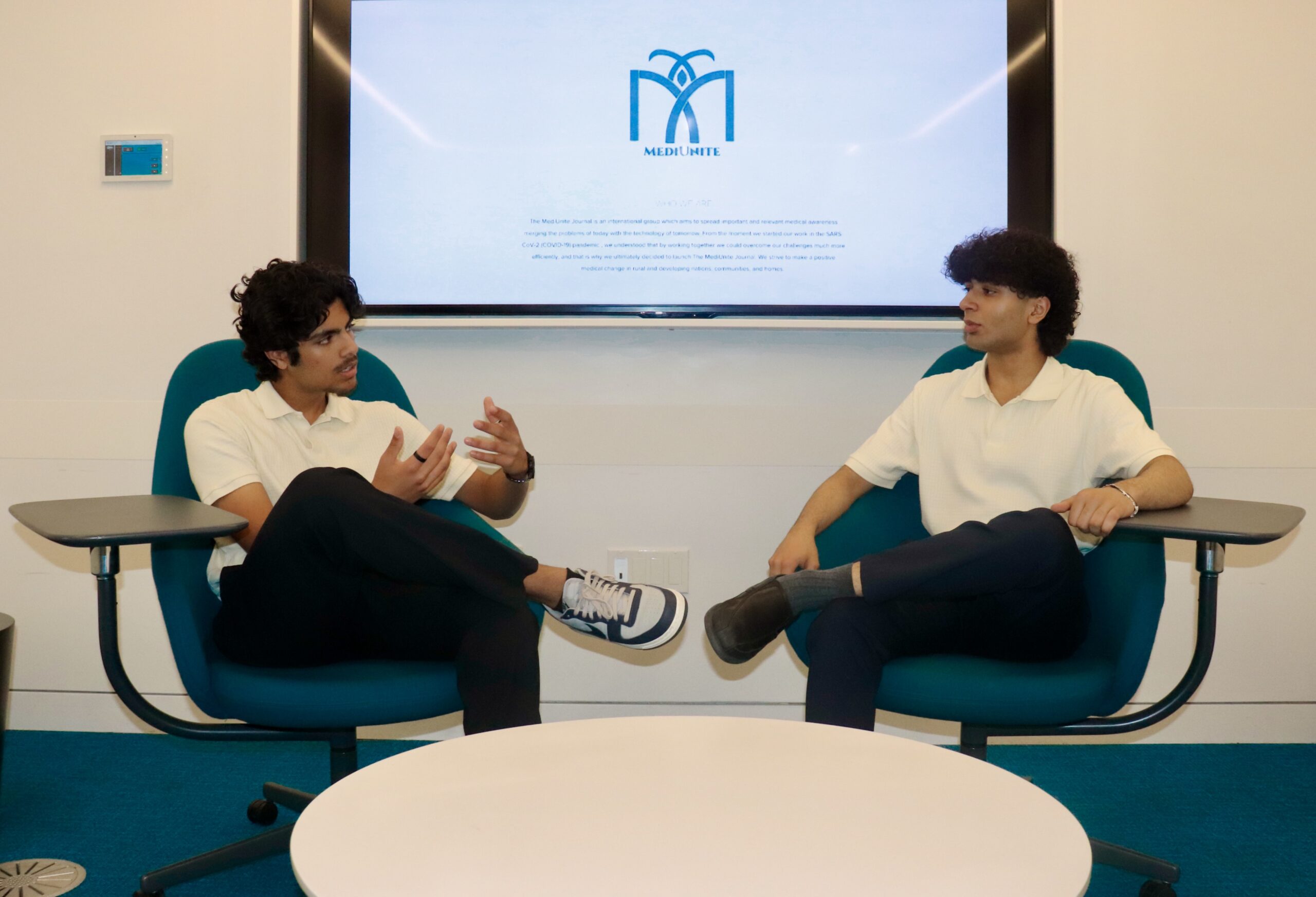
My work in health literacy systems was further shaped through MediUnite, which I co-founded after reading the WHO report Saving Lives, Spending Less. The report states that for every $1 that is invested in prevention, a burden of $7 in treatment is saved. Over the past few years, MediUnite’s work has reached 250+ volunteers, 13+ countries, and thousands of households.
I consult organizations like Library and Archives Canada, the Royal Canadian Mounted Police, and Canadian Blood Services.
Currently, I am attending medical school in the picturesque Caribbean islands. I aim to become a physician, with an interest in mental health and addiction, and begin my life-long dream of both working with patients first-hand.
My work aligns with SDG 3 (Good Health and Well-Being), SDG 4 (Quality Education), SDG 10 (Reduced Inequalities), and SDG 17 (Partnerships).
What are the ways in which you curate connection?
I curate connection by making sure youth are not just invited into systems, but are able to influence them.
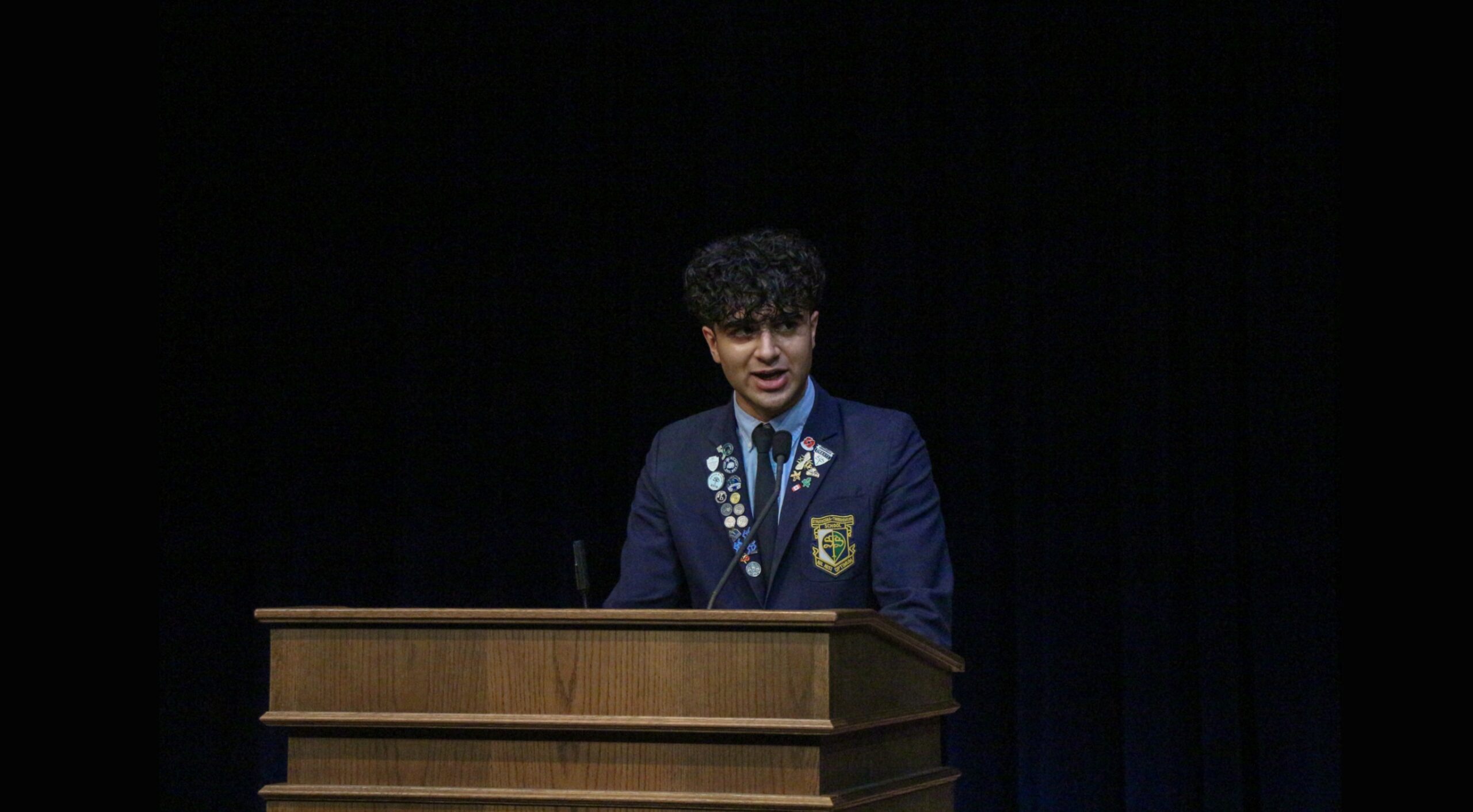
I began doing this early as Student Council President, where I was elected with 96% of the vote, the largest margin in my school’s history. I spent my term actively listening to students, translating concerns into 20+ proposals, raising $1500+ per annum for the student-led newspaper, and turning ideas into action.
At a larger scale, serving as Honorary Mayor of Calgary at age 17 required me to step into the public spotlight, and experience real leadership, and deliver on my policies without excuse. I campaigned on three priorities, government transparency, AI-integration in road safety, and youth engagement. All three ideas were implemented. That outcome came only from standing tall on my values and not being afraid to learn something new.
Today I am reminded of my first ever successful work of advocacy in grade 6, when I won $5000 from the Calgary Foundation to donate to Windmill Microlending, a company that helps struggling small businesses. That small action became a turning point in my life to leave the world a little bit better than how I found it. Connection means to listen first, decide second, and act third.
What role will connection play in your future work?
Connection has been, is, and will be central to my future work in medicine, health policy, and civic engagement. Development fails not because of a lack of will, but because the people most affected can feel disconnected from the systems meant to protect and serve them.
In development work, connection builds trust, grounds policy in lived experience, and ensures sustainable decision-making lasts. My experiences, from student government to municipal leadership to healthcare have all consistently shown me that when people are meaningfully contributing to decision-making, outcomes substantially improve. Through my work, I’ve seen how integrating a variety of perspectives leads to stronger, more resilient policy.
As Margaret Mead famously said, “Never doubt that a small group of thoughtful, committed citizens can change the world; indeed, it’s the only thing that ever has.” Sustainable development is built exactly this way, through small, trusted networks that listen, collaborate, and act with purpose.
More Top 30s from 2026