“In a divided world, connection isn’t optional, it’s how we create change.”
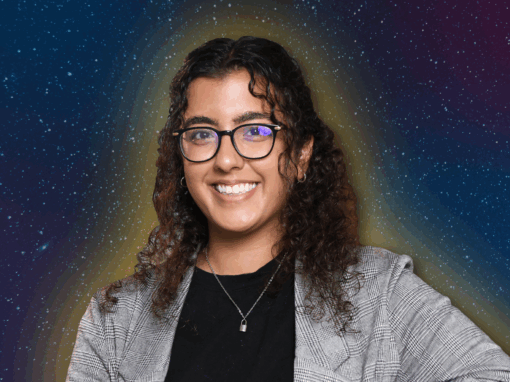
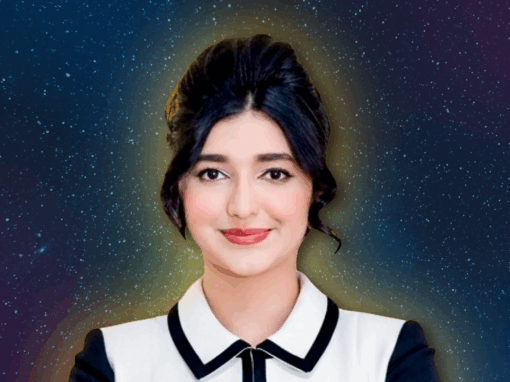
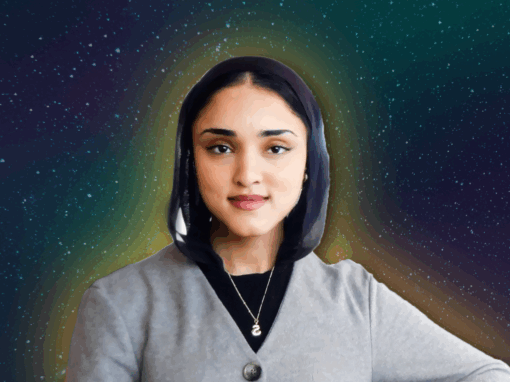
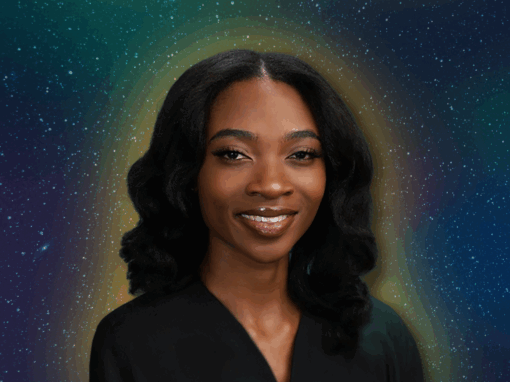
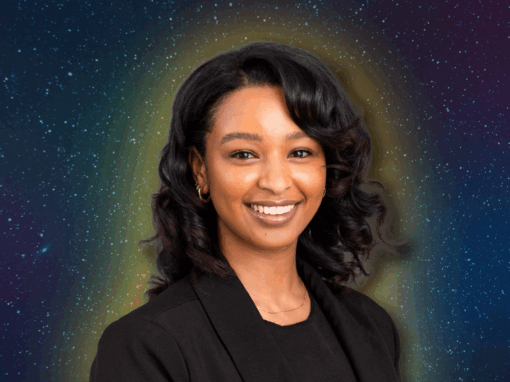
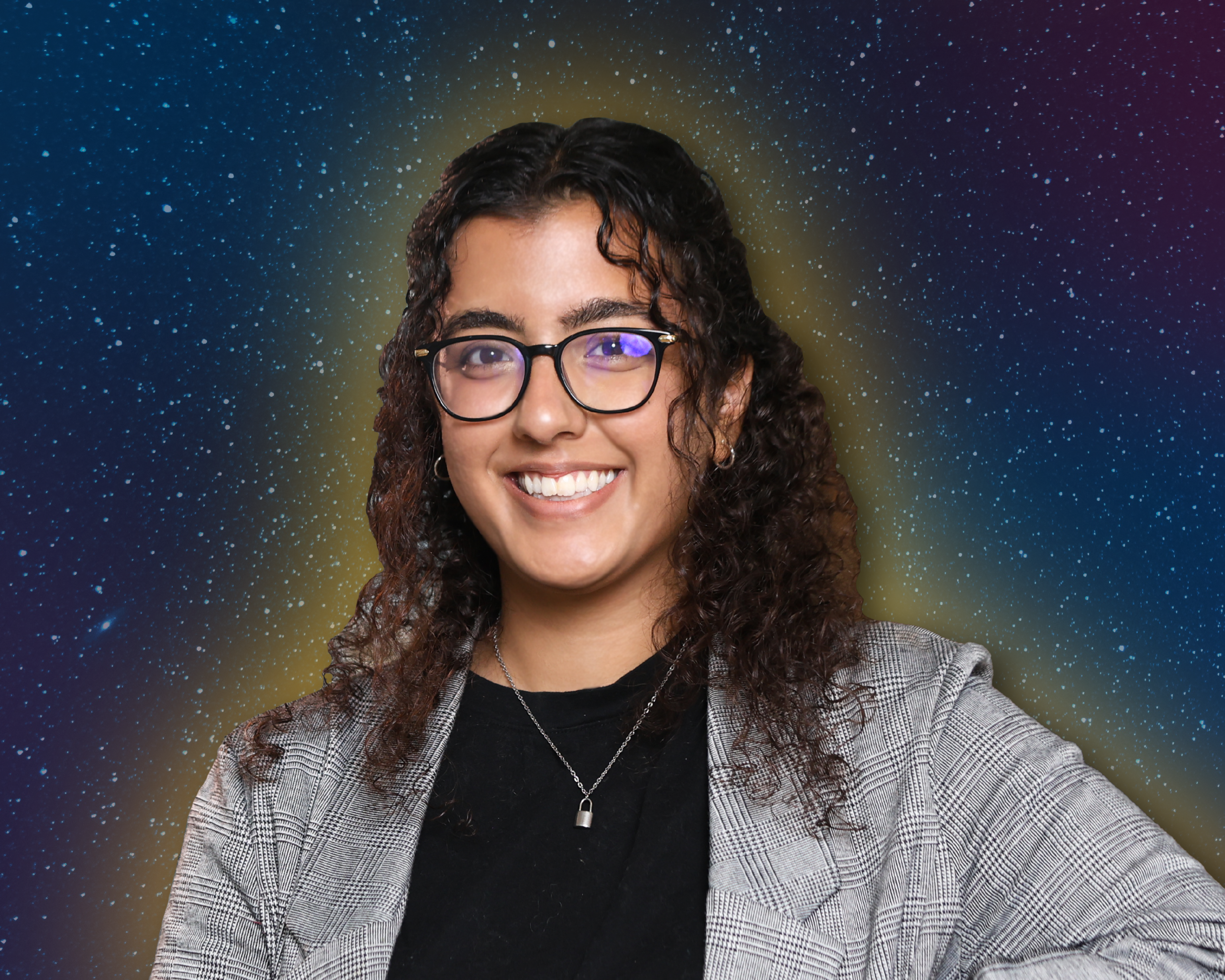
Inaara Ebrahim
TOP 30 UNDER 30 HONOUREE | 2026
About
PROFILE SNAPSHOT
AGE: 24
PRONOUNS: She/Her
HOMETOWN: Calgary, Alberta, Canada
CURRENT RESIDENCE: Calgary, Alberta, Canada
ORGANIZATIONS:
- Global Encounters Internships Programmes
- British Psychological Association
- Global Mental Health Action Network
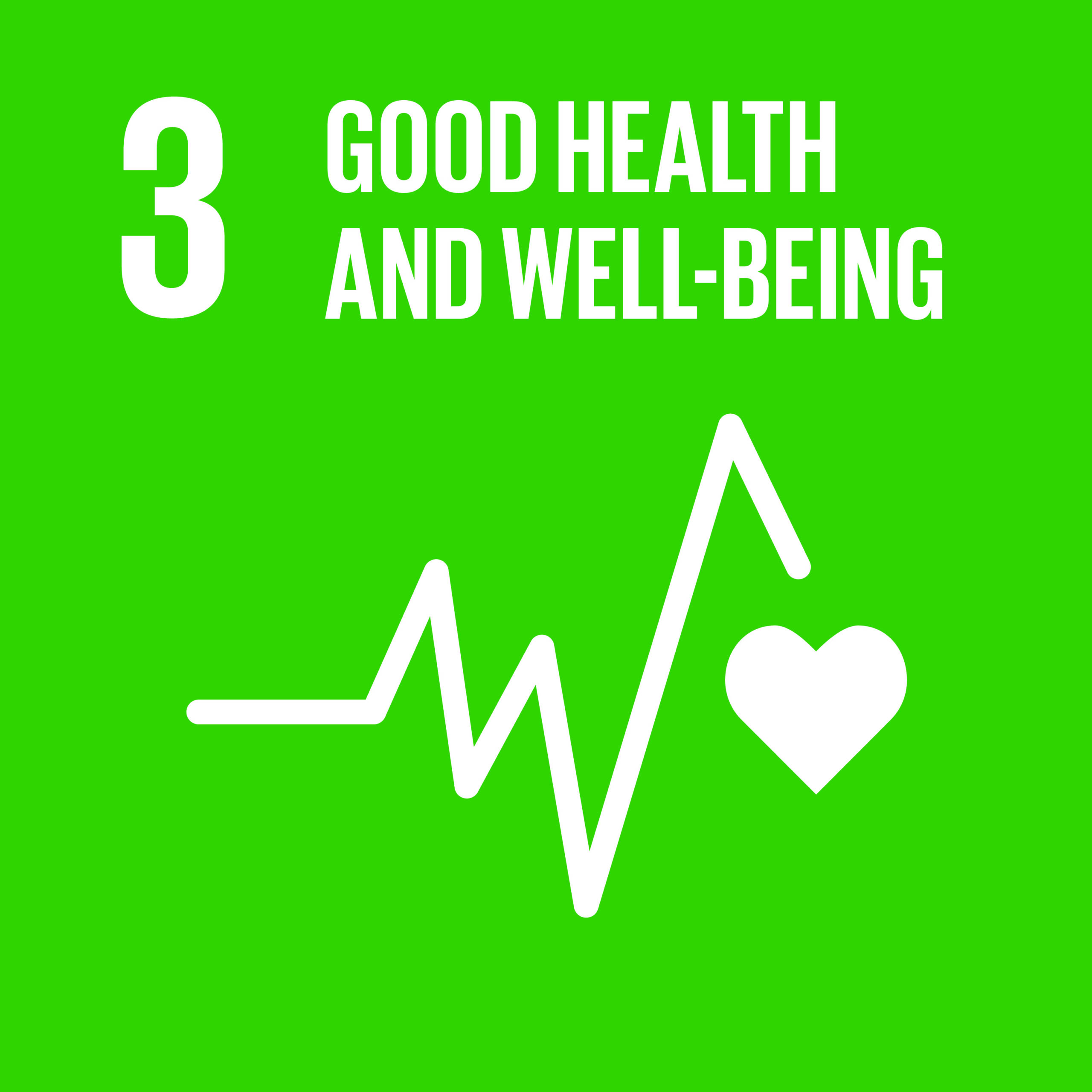
GLOBAL IMPACT FOCUS (SDGs)
I am most passionate about:
What specific issue(s) are you working to address, and what motivates you to do so?
For me, the most important issue is mental health and well-being. This is something I have been passionate about since high school and have continued to carry with me into every stage of my life. I am motivated by the belief that mental health is deeply interconnected with social, cultural, and environmental factors, and that meaningful change happens when people, systems, and communities are brought together.
During university, I studied Psychology, where I furthered my interest in mental health through research and practice. Alongside my studies, I was involved with the South Asian Youth Mental Health Association as both an ambassador and outreach coordinator, working to raise awareness and reduce stigma around mental health within South Asian communities. I also worked as a research assistant at the Hotchkiss Brain Institute, where I gained experience in neuroscience and mental health research, further shaping my interest in evidence-based approaches to well-being. These experiences reinforced for me the importance of connection between research and lived experience, and between communities and accessible mental health support.
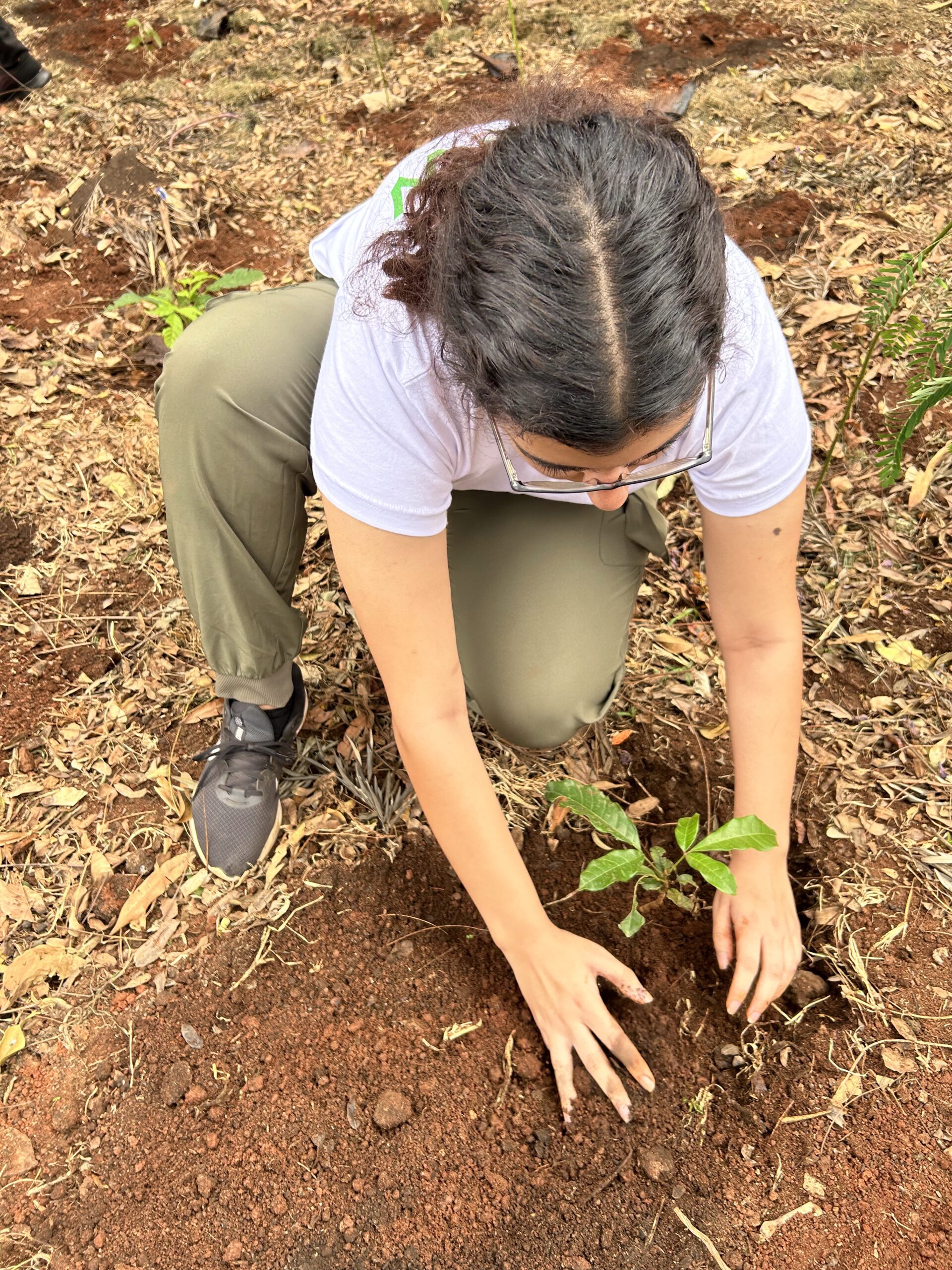
After graduating, I began my first international internship with the Aga Khan Foundation as a climate resilience analyst. While my role focused on environmental issues, I was intentional about finding ways to connect my passion for climate action with my long-standing commitment to mental health. Through this work, I learned more about the mental health impacts of climate change, including climate anxiety and the psychological effects of environmental instability on vulnerable populations. During my time at the Foundation, I also supported initiatives that addressed the Sustainable Development Goals related to climate action and community resilience, deepening my understanding of how environmental and mental well-being are closely linked.
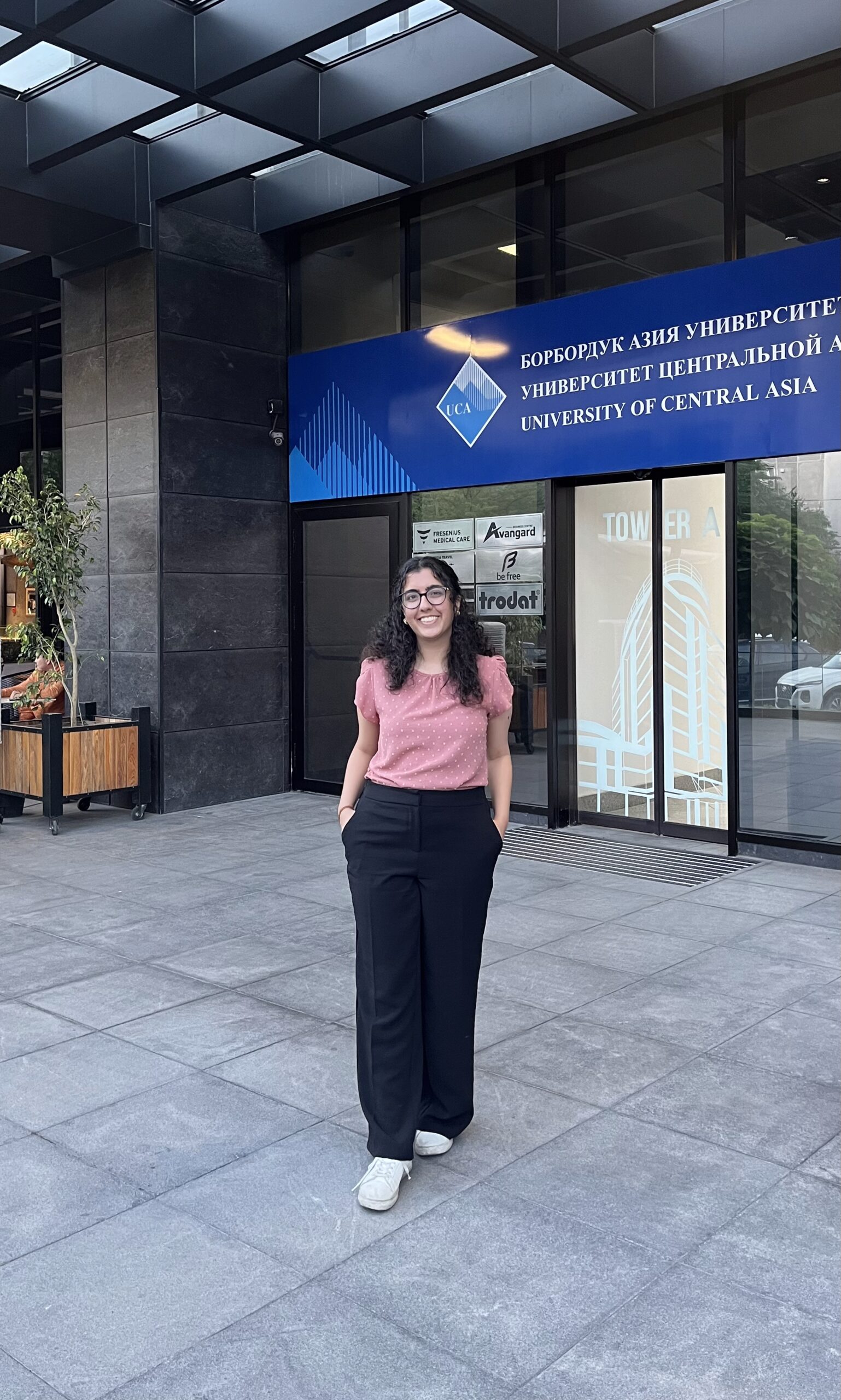
Most recently, I was an intern with the Global Encounters Internship Programme at the Aga Khan Health Services in Bishkek, Kyrgyzstan. In this role, I researched the mental health systems in Kyrgyzstan, with a particular focus on culturally sensitive and community-based approaches to care. This experience strengthened my interest in global mental health and highlighted the importance of culturally grounded solutions that prioritize connection, trust, and local context.
Across all of my work, I am driven by the idea that lasting change comes from bridging disciplines, cultures, and communities. My projects align most closely with the Sustainable Development Goals related to Good Health and Well-Being and Climate Action, and are guided by a commitment to harnessing connection as a tool for meaningful, sustainable impact.
What are the ways in which you curate connection?
One of the main ways I curate connection is through my involvement with the Global Encounters Internship Programme. Global Encounters brings together Ismaili youth from around the world and places them in internship opportunities with Aga Khan Development Network agencies across India, Kyrgyzstan, and Pakistan. For me, this work reflects a strong belief that meaningful connection especially across cultures and borders is essential for building community and creating lasting change.
My first experience with Global Encounters was as a participant in the summer of 2025. Living and working alongside youth from diverse backgrounds challenged my assumptions and deepened my understanding of shared learning, humility, and mutual respect. Those relationships continue to influence how I engage with people and communities today.
I am now involved on the administrative side of the programme, where I support coordination, communication, and participant experience. In this role, I aim to intentionally foster environments where young people feel supported, connected, and accountable to the communities they serve. Key stakeholders in this work include youth participants, global volunteers, and programme partners within the countries where Global Encounters operates.
When working with communities, I believe the voices and needs of community members must always come first. My individual passion is secondary to listening and responding to lived experiences, as communities best understand their own realities. This approach was reinforced during my work supporting the mental health research being conducted in Kyrgyzstan. By listening closely to community priorities, I saw how centering others’ experiences leads to stronger, more sustainable outcomes and transformed how I approach collaborative, community-based work.
What role will connection play in your future work?
Connection will play a central role in my future work because it is the foundation of meaningful development. Effective development work requires a genuine understanding of the communities involved, which can only come from listening, building trust, and valuing local knowledge. When community perspectives, values, and lived experiences are placed at the centre of the work, solutions become more relevant, respectful, and impactful.
Lasting change also depends on collective effort. Development is not an individual pursuit, it requires collaboration across cultures, disciplines, and institutions. I have worked with people from around the world who brought different perspectives and skills, yet shared a commitment to serving others. Through these partnerships, ideas were exchanged, responsibilities were shared, and stronger outcomes were achieved. Working as a team allows development initiatives to be shaped collaboratively, ensuring communities feel ownership and are able to sustain progress over time.
Looking ahead, sustainable and inclusive development will continue to be driven by cooperation and shared responsibility. Strong relationships between community members, practitioners, and organizations help amplify diverse voices and reduce power imbalances. When people work together with humility and mutual respect, development becomes more inclusive and durable. Meaningful impact is created not through isolated efforts, but through collective action grounded in trust, collaboration, and a commitment to serving one another and the communities we work with.
More Top 30s from 2026