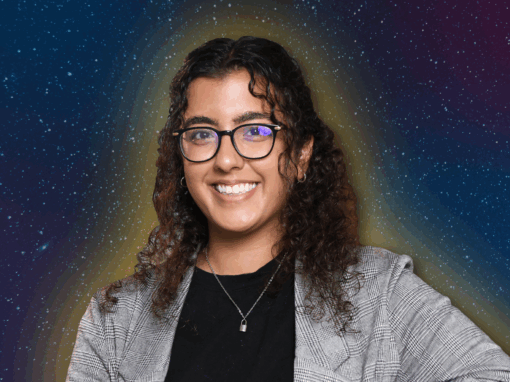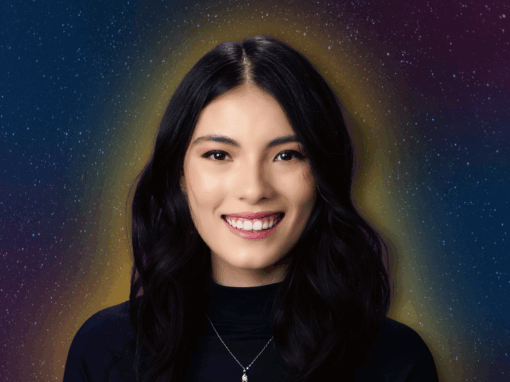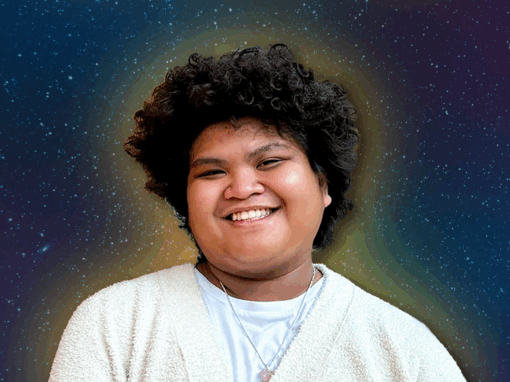

“ Stronger, healthier populations emerge when clinicians, researchers, artists, and communities work together to share health knowledge.. ”
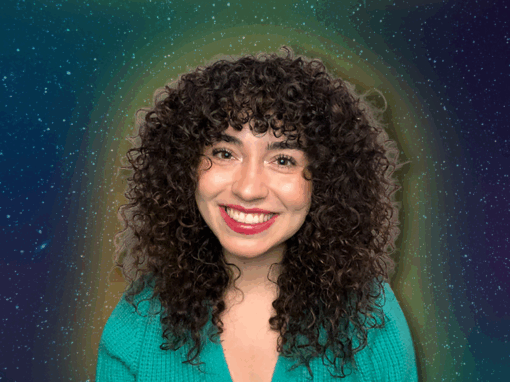
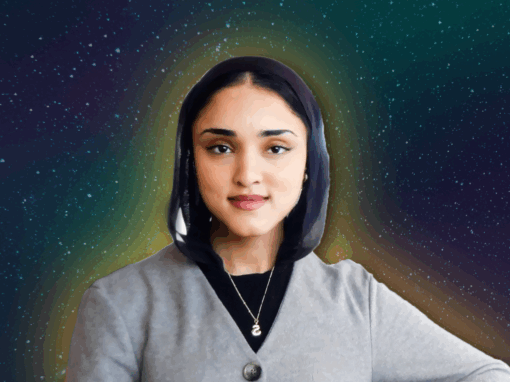
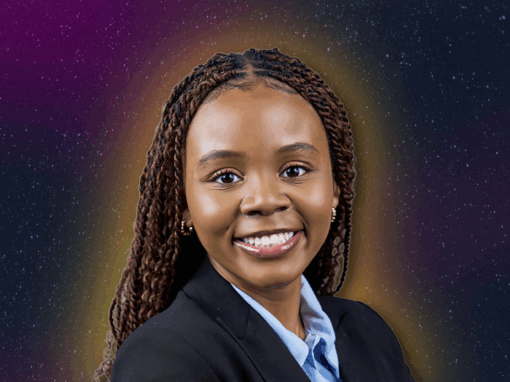
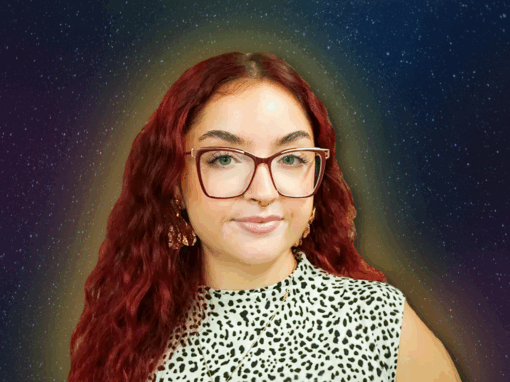
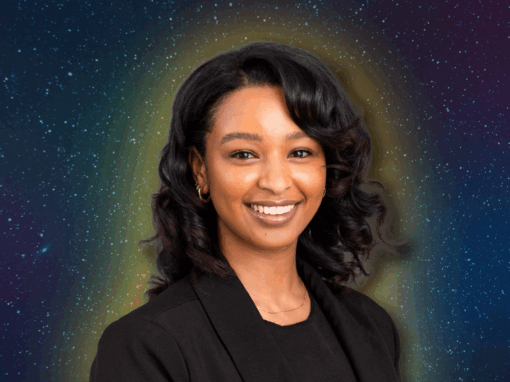
Vidhi DesaI
TOP 30 UNDER 30 HONOUREE | 2026
About
PROFILE SNAPSHOT
AGE: 23
PRONOUNS: She/Her
HOMETOWN: Calgary, Alberta, Canada
CURRENT RESIDENCE: Montreal, Quebec
ORGANIZATIONS:
- Mood Disorders Society of Canada
- Jack.Org
- Young Canadians’ Roundtable on Health
- World Health Organization
- Meducine
- Helping Our Planet Earth
- Desai Illustrations
- EquaLearn Foundation
GLOBAL IMPACT FOCUS (SDGs)
I am most passionate about:
What specific issue(s) are you working to address, and what motivates you to do so?
I work at the intersection of health communication, access, and equity, driven by the belief that health outcomes are shaped less by individual choice and more by who has access to understandable, culturally safe information in the first place. Growing up with limited access to health literacy, I learned early that systems often fail not because care does not exist, but because knowledge is centralized, technical, and inaccessible to the people it is meant to serve.
My work focuses on decentralizing health-related knowledge so it can travel across age, language, culture, and geography. Through research, policy engagement, and creative knowledge translation, I aim to make health information usable rather than abstract. This includes co-creating children’s books and plain-language resources alongside researchers, clinicians, and advocates that translate complex topics like mental health, wellbeing, and coping strategies into tools families can engage with early. I also contribute to digital health initiatives that support risk stratification and informed decision-making in underserved settings, ensuring evidence reaches people in ways that align with how they actually seek care and information.
A central part of this work is my non-profit art studio, where I illustrate children’s books pro bono and donate copies across Canada to schools, shelters, and community organizations. Financial barriers are one of the most common reasons families and institutions cannot access health education resources, and I work intentionally to remove cost as a limiting factor. By keeping production low-cost, offering no-fee illustration and design, and prioritizing donation-based distribution, I aim to ensure that access to health knowledge is not dependent on income or institutional privilege. Every book is grounded in lived experience, reviewed for scientific accuracy, and designed to be culturally sensitive and approachable for children and caregivers alike.
Importantly, my work does not stop at publication. By working directly with children in classrooms and community settings, I lead workshops that model the strategies written about in these books, such as emotional regulation, communication, and help-seeking. This allows me to test whether the content resonates, observe how children interpret and apply it. Most importantly, this initiative has allowed me to donate more than 6000 copies of these books across Canada to local clinics, libraries, and youth centres.
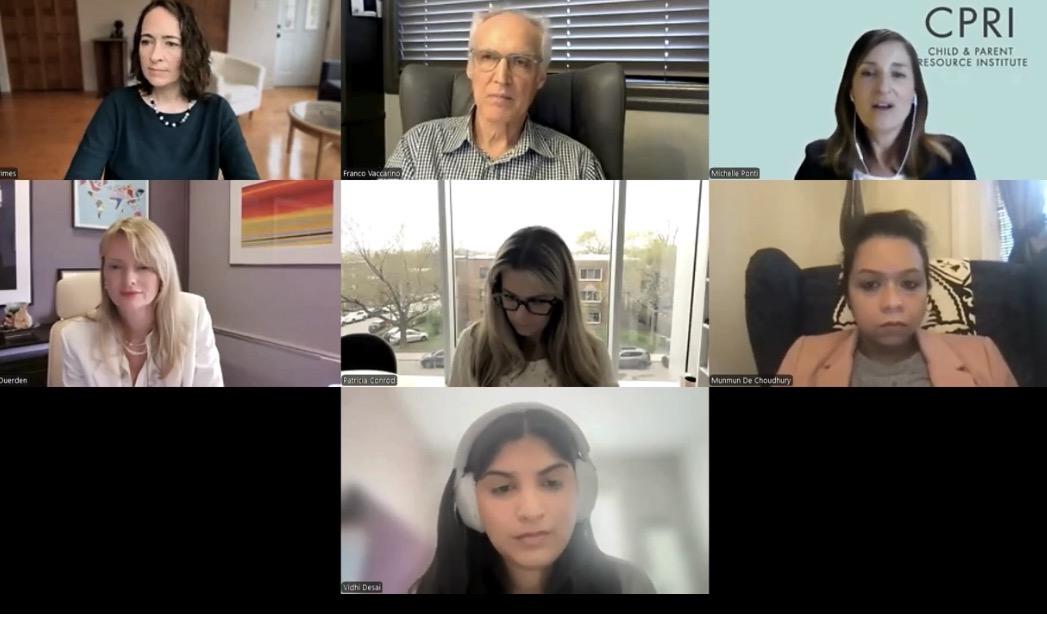
Alongside this, I contribute to the World Health Organization’s published guidelines and youth-led policy work to ensure that evidence does not stop at publication but is implemented in ways that reflect lived realities. Whether working with youth councils, global health bodies, or community organizations, my motivation remains the same: healthier populations emerge when people are trusted as partners in their own care and when knowledge is designed to be shared, adapted, and owned by communities themselves.
What are the ways in which you curate connection?
Connection is the mechanism through which my work becomes actionable. I curate connection by bringing together groups that are rarely positioned as collaborators, including youth, clinicians, researchers, educators, artists, and policymakers. Rather than translating information to communities, I prioritize translating it with them, ensuring that multiple forms of expertise shape both content and delivery.
In practice, this means facilitating co-design processes where lived experience shapes health communication from the outset. In youth mental health initiatives, I gather narratives from rural and urban youth and work with professionals to turn those experiences into evidence-based recommendations, toolkits, and interim supports that meet people where they are. In my creative work, I collaborate closely with physicians, educators, caregivers, and young advocates to ensure that children’s books are medically accurate, culturally relevant, and emotionally resonant.
Connection is also built through presence. By visiting schools and community spaces to lead workshops with children, I create opportunities to model the strategies embedded in the resources I help develop. These sessions allow children to practice skills in real time and provide direct feedback on what feels accessible, confusing, or empowering. This feedback loop strengthens trust and ensures that health communication reflects how information is actually understood and used.
Listening has repeatedly reshaped my approach. Hearing advocates reflect on how limited health literacy in childhood led to disengagement from health systems later in life reinforced the importance of early, relational knowledge sharing. These moments taught me that connection is not symbolic, instead, it is embedded in processes of perspective-sharing that allow people to see themselves reflected in health knowledge. When that happens, engagement becomes sustained, trust deepens, and health communication begins to influence population-level wellbeing.
What role will connection play in your future work?
Connection will remain foundational to my future work in health research, communication, and policy. Development and population health efforts often fail when they treat knowledge as static or universally applicable. Connection allows evidence to move across contexts while remaining grounded in local realities, lived experience, and cultural meaning.
I see connection as the bridge between research, practice, and community knowledge. Building durable, multidisciplinary networks between communities, institutions, educators, artists, clinicians, and decision-makers ensures that health interventions are not only effective but equitable. The connections that matter most are longitudinal, where communities are involved from problem definition through design, implementation, and evaluation, rather than consulted at a single point in time.
In my future work, I aim to continue using creative and participatory approaches to ensure health knowledge is not only shared but understood, practiced, and adapted. This includes expanding community-based workshops, strengthening partnerships with schools and shelters, and embedding co-creation into research and policy processes. Creativity will remain central, as it allows health information to resonate emotionally and practically across entire populations.
Sustainable and inclusive development depends on trust, shared language, reciprocity, and imagination. When health knowledge is decentralized and translated through relationships in ways that reflect how people live, learn, and care for one another, it becomes adaptive rather than prescriptive. In that sense, connection is not an accessory to impact, it is what allows impact to endure.
More Top 30s from 2026