“ If there is a fire in you, let it grow. When that fire is challenged, protect it. It is only then that you will see how passionately, and fiercely you can glow. ”
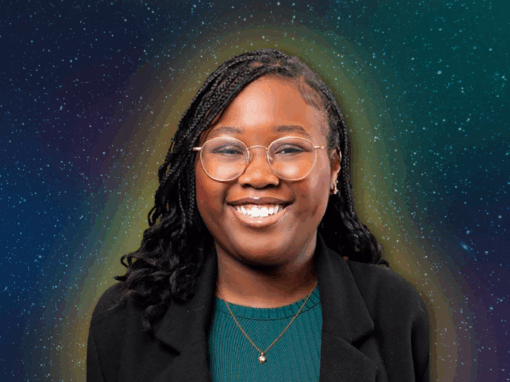
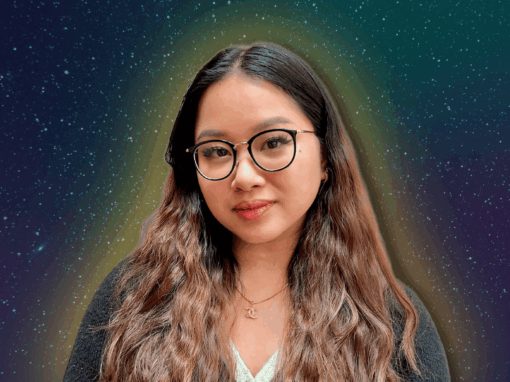
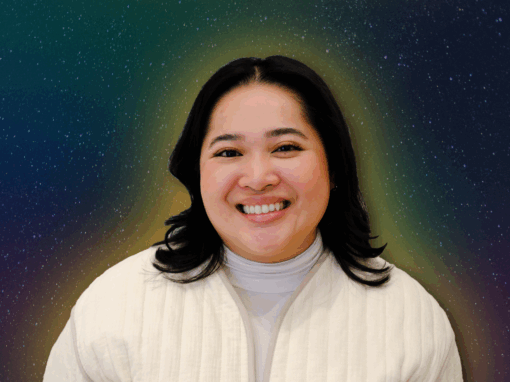
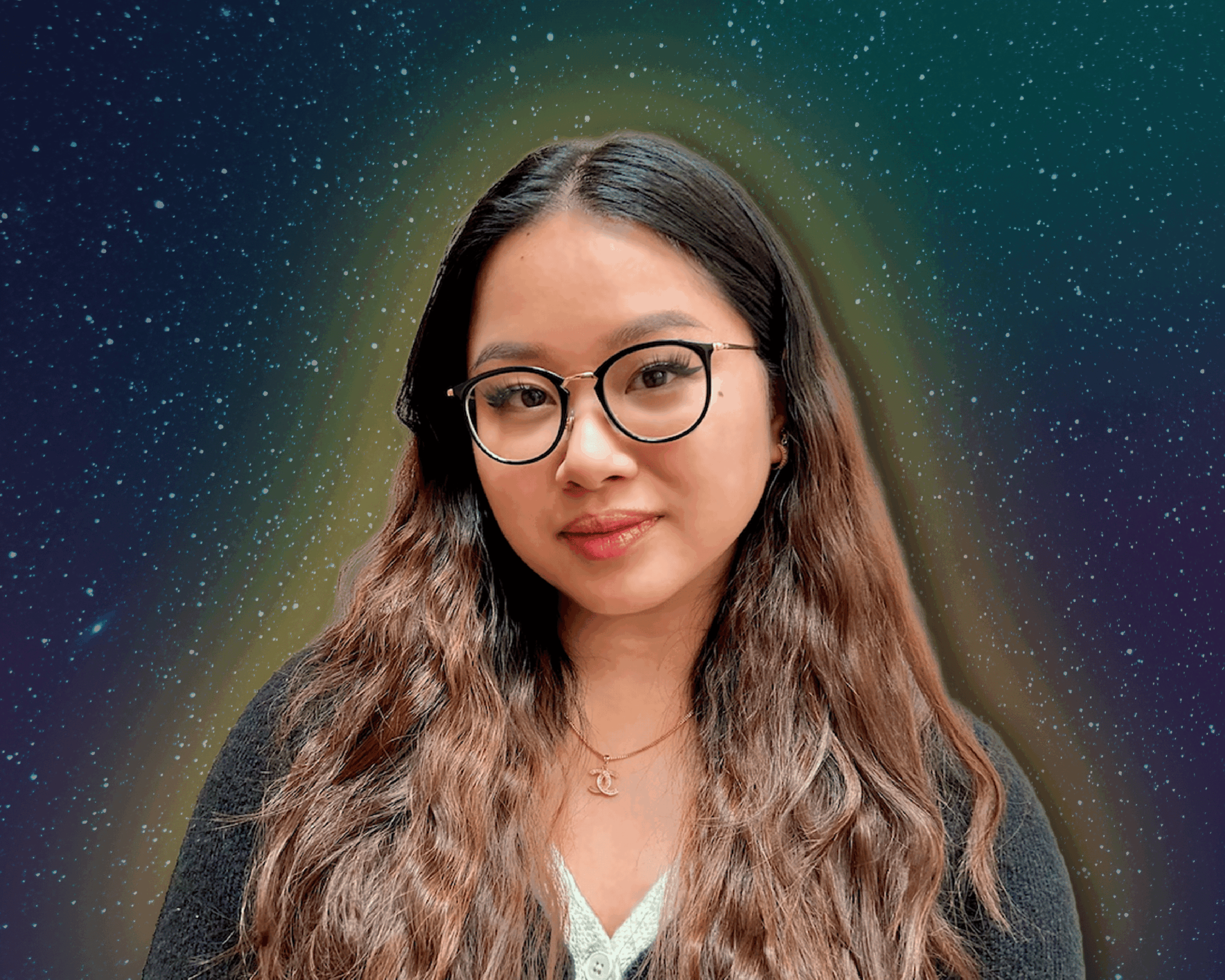
Tracy Dinh
TOP 30 UNDER 30 HONOUREE | 2026
About
PROFILE SNAPSHOT
AGE: 22
PRONOUNS: She/Her / They/Them
HOMETOWN: Quảng Nam, Vietnam
CURRENT RESIDENCE: Calgary, Alberta, Canada
ORGANIZATIONS:
- Education Students’ Association of the University of Calgary
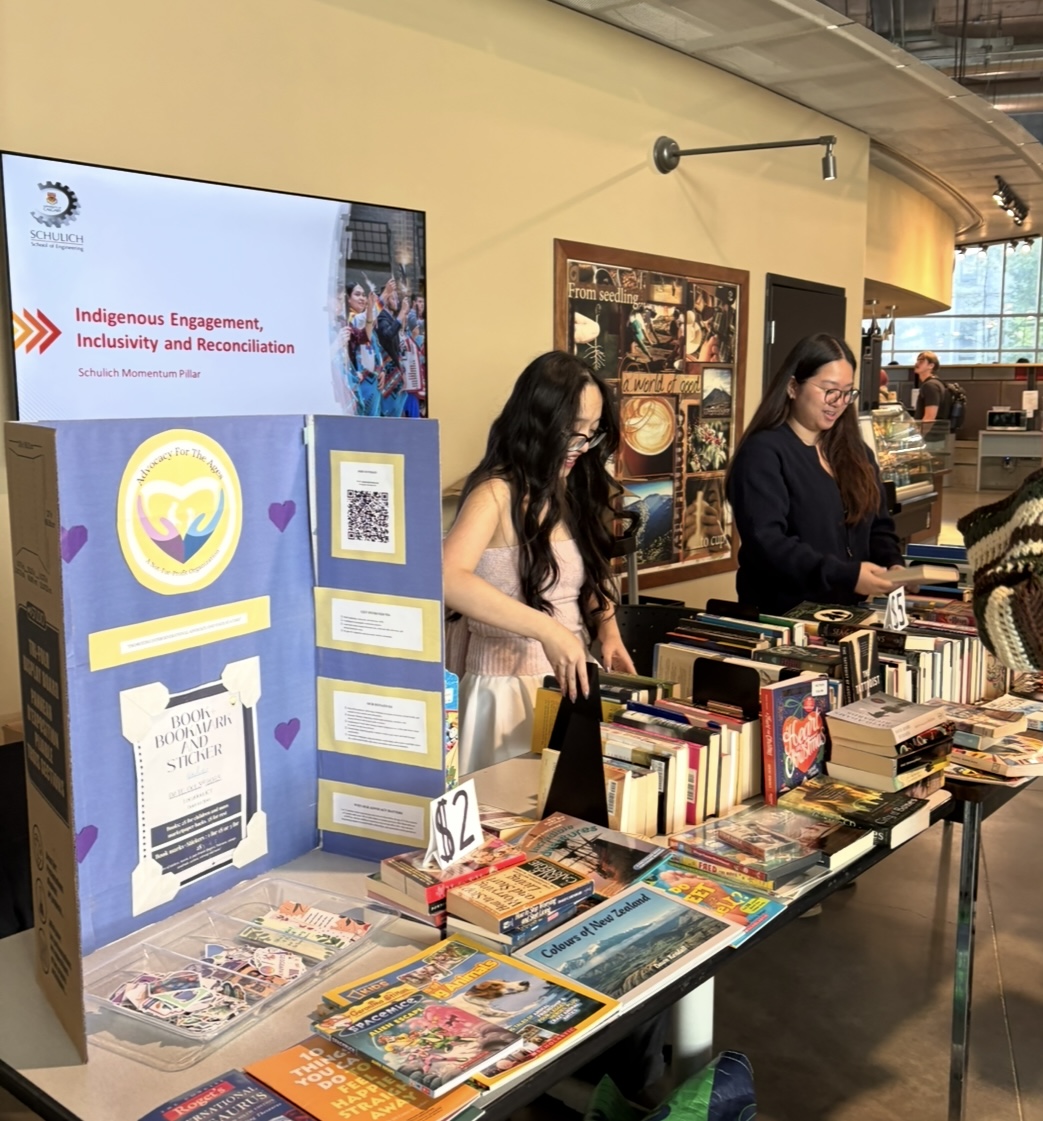
- Advocacy For The Ages
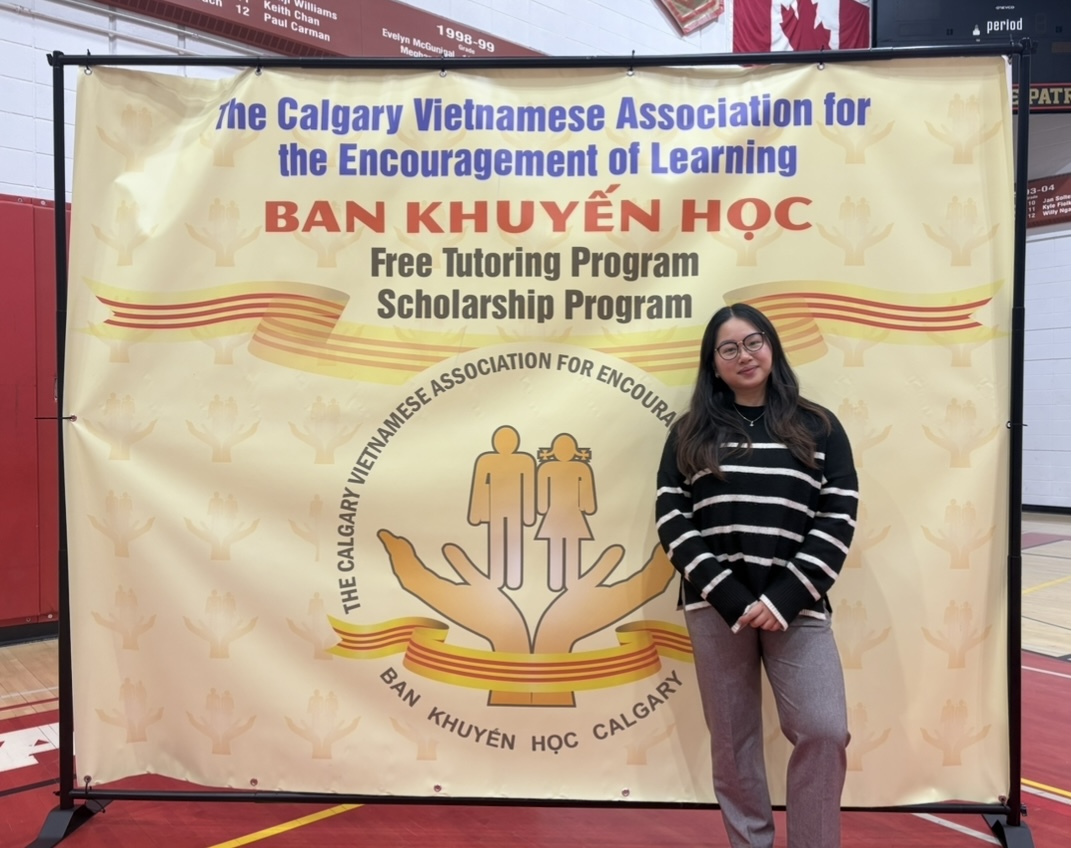
- Ban Khuyên Học (Calgary Vietnamese Association for Encouragement of Learning)
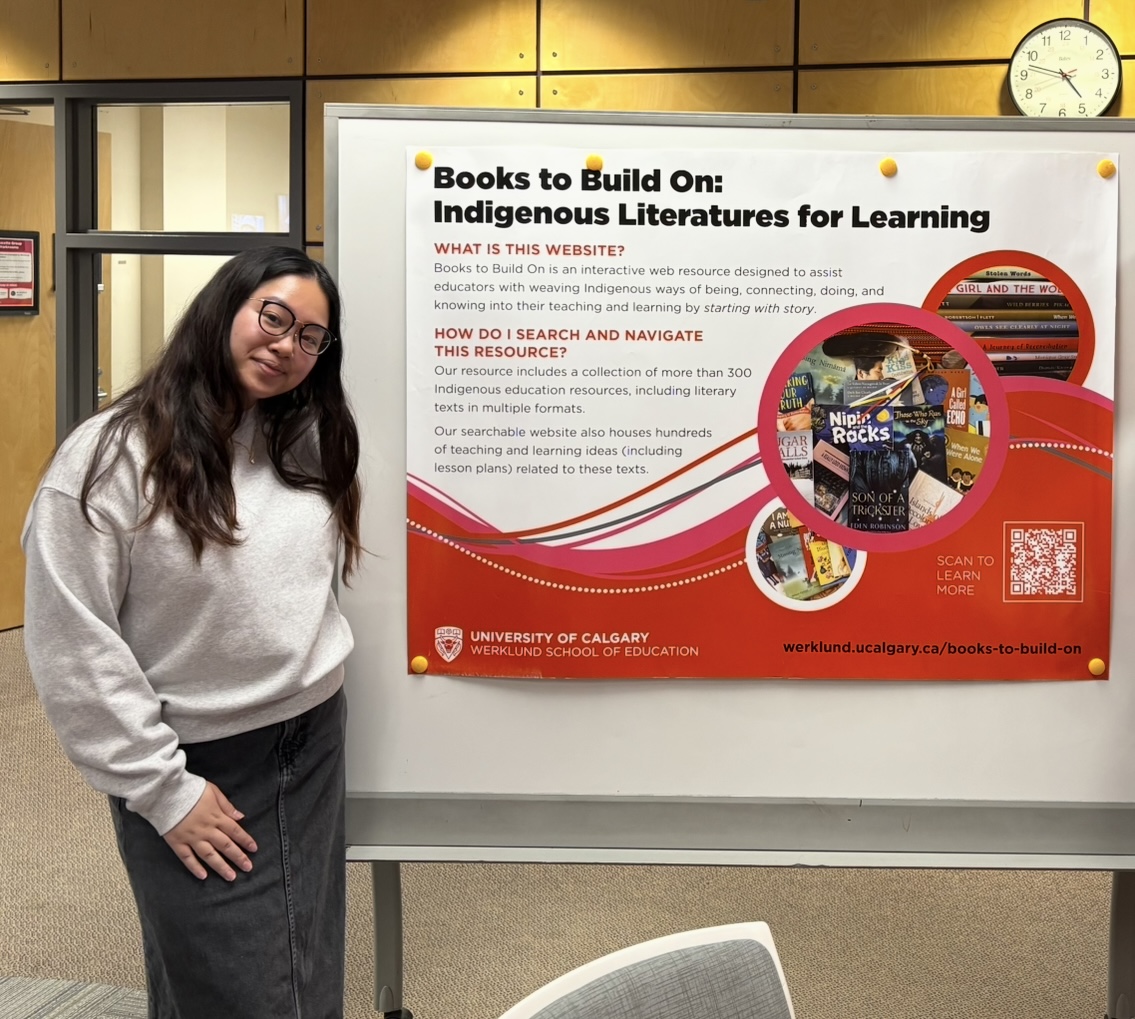
- Books to Build On: Indigenous Literatures for Learning, Werklund School of Education
- Thinking Historically – For Canada’s Future
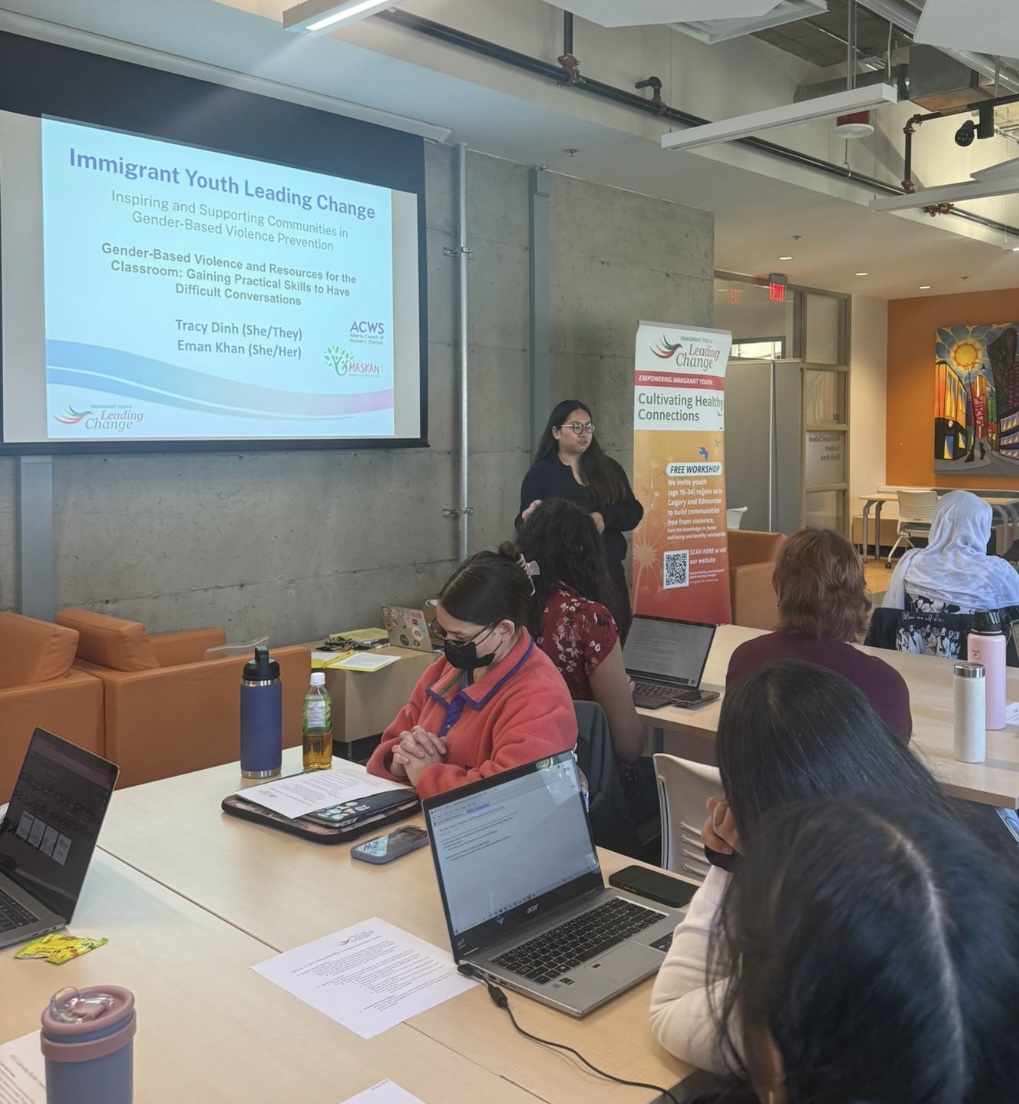
- Immigrant Youth Leading Change (IYLC) Maskan Family Association
GLOBAL IMPACT FOCUS (SDGs)
I am most passionate about:
What specific issue(s) are you working to address, and what motivates you to do so?
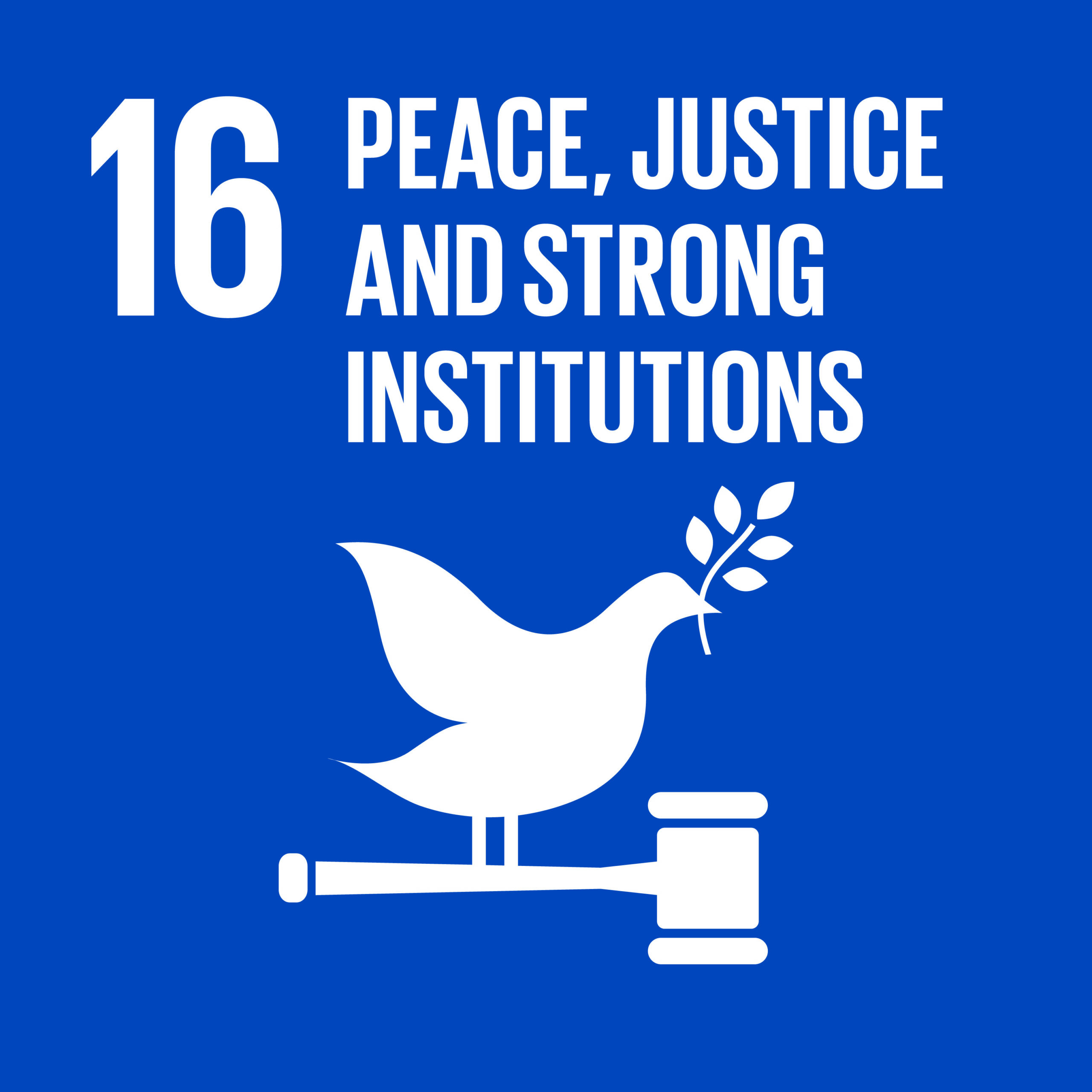
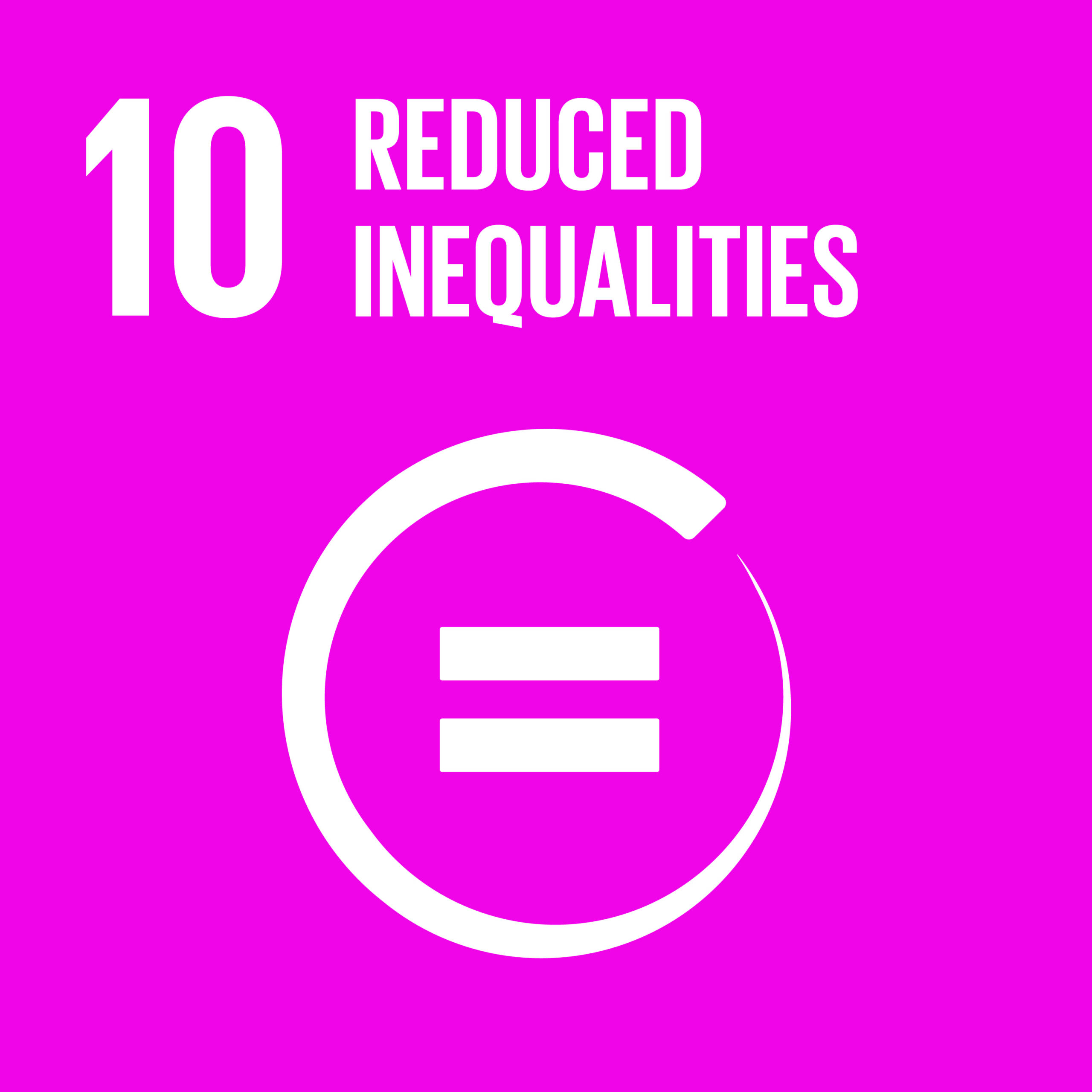
At the core of my work is a commitment to addressing education inequity and advancing quality education, particularly for racialized and newcomer communities. I am motivated by the belief that education is not only a pathway to opportunity but also a powerful site for belonging, healing, and social transformation. My work is rooted in advancing Sustainable Development Goal 4, Quality Education, while engaging with holistic wellness as essential to learning, aligning with Sustainable Development Goal 3, Good Health and Well-Being. Central to this work is a commitment to reducing systemic inequities and strengthening institutions so they are more just, inclusive, and accountable, reflecting Sustainable Development Goals 10, Reduced Inequalities, and 16, Peace, Justice, and Strong Institutions.
My passion for this work stems from lived experience and sustained community engagement. Growing up connected to immigrant and racialized communities, I witnessed how structural inequities in education systems disproportionately affect students, families, and educators. These experiences shaped my understanding that educational inequity is not simply about access, but about whose knowledge is valued, whose stories are centred, and whose well-being is prioritized.
My projects span research, leadership, and community-based initiatives. As the President of the Education Students’ Association of the University of Calgary, I represent over 500 undergraduate students at the faculty level in terms of student experiences, academics, and resources. A notable achievement is the success of a $75,600 grant awarded to renovate a study space to be inclusive of students with visible and invisible disabilities. As the Co-Founder of Advocacy For The Ages, I deliver free, accessible workshops on topics including, but not limited to, youth mental health, consent education, and trauma-informed practices in elementary and high schools. Additionally, as an Immigrant Youth Leading Change (IYLC) Volunteer Facilitator at the Maskan Family Association, my work extends to delivering workshops to raise awareness for gender-based violence and the specific vulnerabilities immigrant women and children face in these instances. These initiatives recognize that mental health, gender-based violence, and related issues must be understood holistically across students, educators, families, and communities.
A core goal of my work is expanding access to educational supports and reducing language barriers. Through Ban Khuyên Học (Calgary Vietnamese Association for Encouragement of Learning), I support a free, drop-in tutoring centre and an annual scholarship program that assists students and families facing financial or linguistic barriers to educational success.
Alongside this hands-on work, research guides my approach to change. Through education research projects at the University of Calgary, including Books to Build On: Indigenous Literatures for Learning and Thinking Historically – For Canada’s Future, I examine equity, curriculum, historical consciousness, and representation. This research-practice connection ensures my work is informed by evidence, community voices, and critical reflection.
Ultimately, I am driven by the possibility of education systems that are equitable, affirming, and responsive to diverse communities. Whether through research, student leadership, or grassroots initiatives, I believe lasting change happens when education is grounded in connection, care, and collective responsibility.
What are the ways in which you curate connection?
The main way I curate connections is through story. Work that is not driven, informed, or shaped by the people it is meant to serve is not productive or meaningful to me. Connection begins through conversation by listening to lived experiences, building trust, and learning alongside others. Through shared stories and collaboration, I build communities of people who are passionate about the same issues, and it is within these moments that I do my most meaningful learning. I often remind myself that if I am the smartest person in the room, then I am in the wrong room.
My work intentionally brings together individuals and communities directly experiencing the issue, as well as people in positions of power who want to support change, people who can help bridge gaps, and people who know more than I do. Meaningful change does not happen in isolation. By fostering these connections, I aim to bridge lived experience with institutional support and passion with action.
How I work with communities begins with listening and continues through co-creation. Together, we design, reflect, and try again until the work truly serves community needs. I approach each space with humility, always as a student first, then a friend, then a community member, and finally a leader.
Listening to stories is also how my first organization, Advocacy For The Ages, began. In high school, peers shared experiences of sexual harassment and assault, which compelled my co-founder, Joshua DeGuglielmo, and me to take action. What began as conversations grew into consent education and later expanded into workshops on consent, Canadian law, mental health resources, and trauma-informed practices for youth and seniors. This experience taught me that connection transforms care into action. If you care about something, do something about it, and do not do it alone.
What role will connection play in your future work?
Connection will be foundational to my future work because nothing meaningful can exist without it. No lasting change has ever been achieved alone, and I do not believe that will change now. Real impact requires the support of many communities, alongside institutions, friends, families, neighbours, and those willing to show up with care and responsibility. Connection is not an addition to the work. It is what makes the work possible.
In development work, connection is essential because initiatives that are disconnected from people’s lived realities often fail to serve the communities they are meant to support. When connection is absent, development becomes extractive, performative, or short lived. When connection is centered, development becomes relational, accountable, and grounded in trust. Listening, empathy, and shared ownership ensure that solutions are responsive rather than imposed, and that progress is measured not only by outcomes, but by who is included along the way.
To create meaningful and lasting change, we must harness connections across difference and scale. This includes connections between communities and institutions, between youth and decision makers, between research and practice, and across generations. These relationships allow knowledge, resources, and care to circulate in ways that strengthen systems rather than isolate efforts. Connection is what turns ideas into action and action into sustained change.
I believe connection can drive the future of sustainable and inclusive development. At a global level, connection brings people together around shared goals such as education, environmental sustainability, and collective well being. At a more intimate level, connection is deeply human. It is the desire to be heard, to belong, and to care for one another. In my future work, I aim to build and nurture these connections by listening first, leading collaboratively, and grounding my work in empathy, love for community, and responsibility to our world.
More Top 30s from 2026