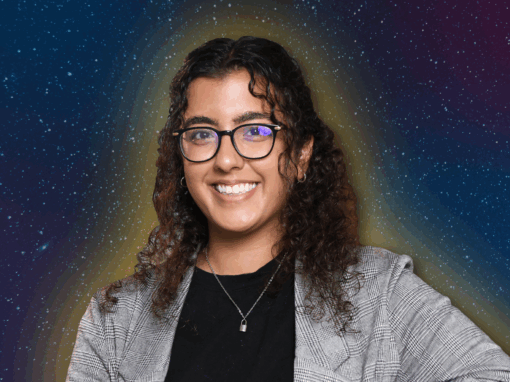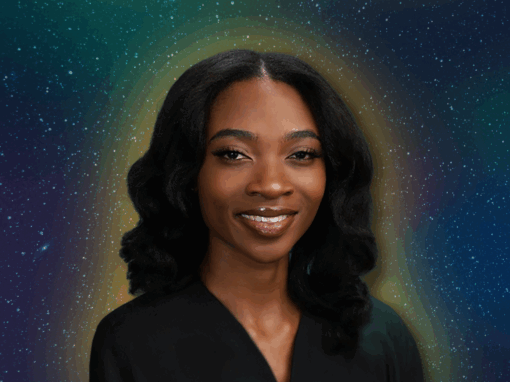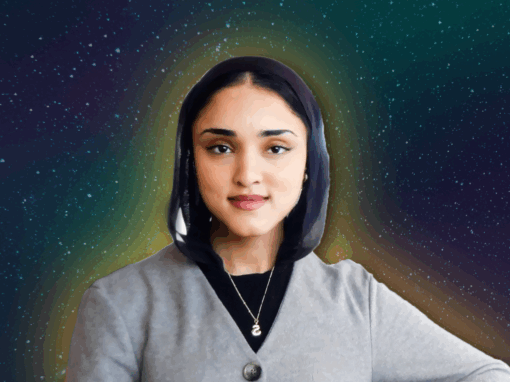

“To find your voice is to recognize that your perspective is a force for change, and that by speaking with intention, you can inspire action, cultivate resilience, and foster hope in others. ”
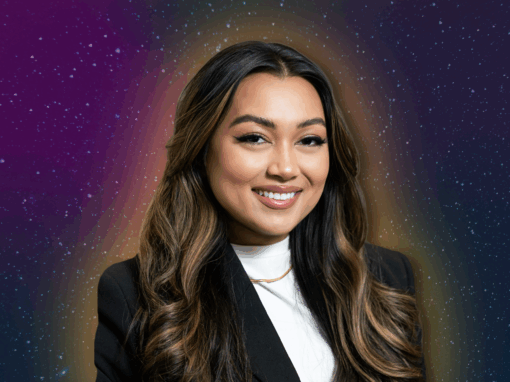
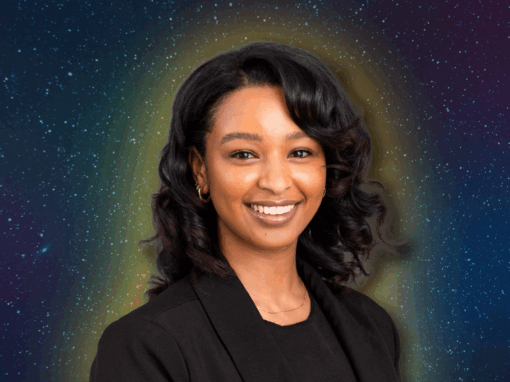
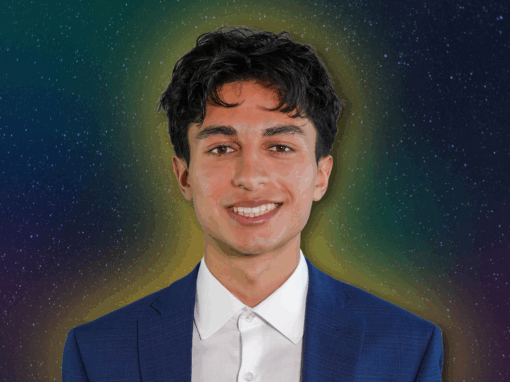
Shiza Hirani
TOP 30 UNDER 30 HONOUREE | 2026
About
PROFILE SNAPSHOT
AGE: 20
PRONOUNS: She/Her
HOMETOWN: Edmonton, Alberta, Canada
CURRENT RESIDENCE: Regina, Saskatchewan, Canada
ORGANIZATIONS:
- Youth MentorNet Café
- Permanent Mission of Canada to the United Nations
- First Nations University of Canada
- Canadian Council of Young Feminists
- Enactus Canada
- UNICEF Canada
- Theirworld
- World Partnership Walk
GLOBAL IMPACT FOCUS (SDGs)
I am most passionate about:
What specific issue(s) are you working to address, and what motivates you to do so?
I am driven by an unwavering commitment to advancing Sustainable Development Goal 4 (Quality Education) and a deep purpose to dismantle systemic barriers that limit opportunities for underserved youth, particularly Indigenous, racialized, newcomer, refugee, and low-income youth communities. As a young woman of color, I grew up witnessing the absence of people who looked like me in academic, civic, and leadership spaces. Mentorship felt distant, inaccessible, and disproportionately shaped by privilege. When the COVID-19 pandemic intensified these inequities, especially for marginalized youths, I made a deliberate choice to transform these gaps into opportunities for collective empowerment. My work is grounded in the belief that every young person deserves culturally responsive support, meaningful representation, and the academic and social tools needed to thrive. This purpose anchors every part of my leadership journey.
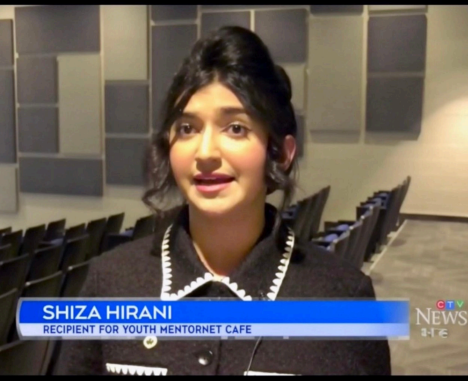
At age fifteen, I founded Youth MentorNet Café, a youth-led nonprofit that now reaches more than 150,000 young people across 15+ countries. My work has been recognized globally by the United Nations Joint SDG Fund as a leading sustainable youth-driven practice and received the
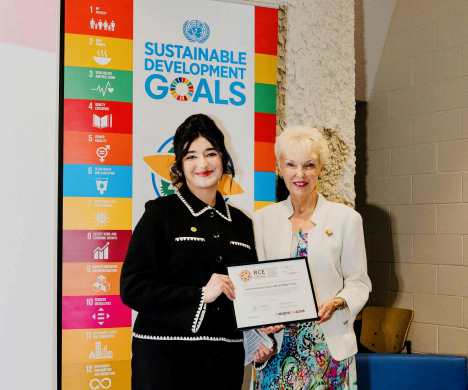
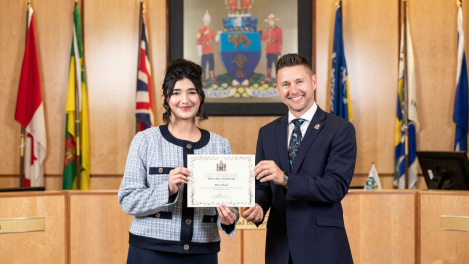
Regional Centre of Expertise Education for Sustainable Development Recognition Award, presented to me by the Honourable Bernadette McIntyre, Lieutenant Governor of Saskatchewan. Through this platform, I combine arts and sciences to deliver culturally relevant, accessible mentorship and create safe spaces for youth who have historically been excluded. My programming dismantles barriers to higher education, strengthens academic and leadership pathways, and advances social justice in alignment with SDG 4 and SDG 10.
I have developed 150+ open-access e-learning and mentorship resources, including the first-ever Language of Empowerment Toolkit, which simplifies complex concepts related to identity, equity, and social justice into youth-friendly language. I also designed the SDG Quest Coding Game Hub, a one-of-a-kind interactive platform that makes sustainable development education engaging for young learners. I have facilitated 30+ workshops across diverse educational, community, and professional settings on university readiness, financial literacy, and civic engagement. My mentorship framework, aligned with UNESCO and UNICEF education standards, has supported the training of 1,500 Literacy Ambassadors who now lead book drives, literacy panels, and youth-serving community chapters worldwide.
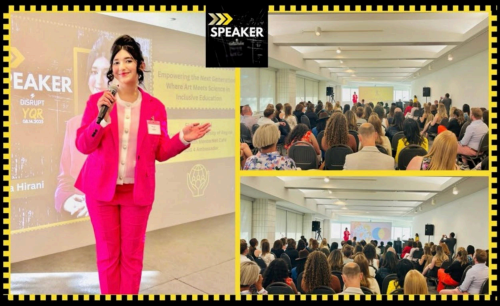
On the global stage, I am appointed as an Advisory Board Member for the Permanent Mission of Canada to the United Nations. In this distinguished role, I serve as one of only ten youth advisors nationwide shaping Canada’s diplomatic engagement at the UN. My insights have influenced dialogues at the 80th UN General Assembly and the Commission on the Status of Women. I am currently leading advocacy to establish Canada’s first fully funded Youth Delegate Program to the UN, ensuring equitable youth participation in high-level global diplomacy. I have also been a featured speaker in two UN education dialogues in the “Understanding Inequalities in Education” series and contribute actively to multiple UN working groups, including the Youth Moving Beyond GDP Lab.
Nationally, I serve as a Youth Advisor to the Honourable Senator McPhedran through the Canadian Council of Young Feminists. I play a key role in the movement to lower Canada’s federal voting age to sixteen by contributing to the co-development of educational resources and national youth mobilization efforts that led to the introduction of Bill S-222 in the Senate Chambers, now supported by more than thirty three Senators.
My work is dedicated to ensuring that no youth feels unseen or unsupported. I remain committed to building systems where every young person, regardless of identity, background, or circumstance, has the opportunity, confidence, and platform to lead, contribute, and shape a more just and equitable future.
What are the ways in which you curate connection?
I curate connection by creating spaces where young people feel genuinely seen, honoured, and empowered to lead. Through Youth MentorNet Café, I build relationships rooted in trust, reciprocity, and cultural safety. My approach follows a community-based participatory model where youth are not simply consulted but serve as co-creators who identify priorities, shape solutions, and guide the direction of social impact work. This ensures that every program reflects lived realities and each young person feels their voice carries impact.
Reconciliation is at the centre of how I nurture these connections. I work closely with Indigenous knowledge keepers, Elders, youth leaders, educators, and community partners to ensure my work remains culturally grounded, accountable, and guided by Indigenous worldviews. One of the most transformative experiences in my leadership has been founding the Indigenous Youth Mentorship Program, a culturally responsive and trauma-informed sub-initiative of Youth MentorNet Café. Through this program, I mentor Indigenous youth, support land-based learning opportunities, and help strengthen identity, belonging, and community-rooted leadership. The initiative gained national level recognition from Enactus Canada for its social impact and commitment to advancing reconciliation efforts.
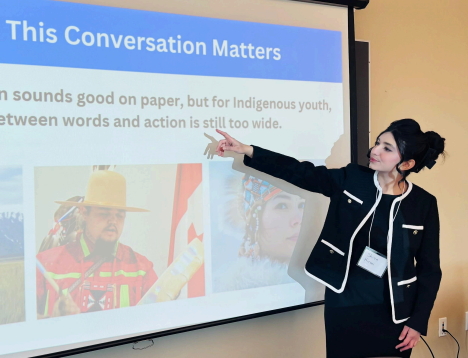
In 2025, my appointment as an Advisor to Enactus Canada’s National Student Council allowed me to support BIPOC youth social entrepreneurs and advocate for equity-centred innovation across the national network. Following this recognition, I collaborated with Indigenous scholars and youth-serving organizations to carry out a national photovoice project that shed light on Indigenous resurgence and the importance of preserving cultural artifacts, stories, and teachings for the next seven generations. Based on these efforts and demonstrated impact, I was invited to serve as the youngest workshop facilitator at the First Nations University of Canada’s Self-Determination Conference, where I advanced national dialogue on Indigenous resurgence, youth leadership, and culturally grounded pathways to reconciliation.
What role will connection play in your future work?
Connection will remain the driving force of my future work as a youth advocate and global leader committed to inclusive, sustainable development. For me, connection is not an accessory to change; it is the very infrastructure that makes meaningful progress possible. Whether engaging with the Permanent Mission of Canada to the United Nations, leading my nonprofit Youth MentorNet Café, or representing youth as a delegate on national and international platforms, I will continue to create spaces where voices that are often unheard can shape the agendas meant to serve them.
I believe the future of sustainable development depends on our ability to connect across borders, sectors, and identities, and to transform those connections into collective action that lasts. In development work, connection is the bridge between intention and impact. Without authentic relationships, co-created solutions, and shared accountability, even the most well-designed initiatives risk becoming disconnected from community realities. True development requires us to move beyond consultation and toward collaboration, where communities are equal architects of meaningful change.
Harnessing the power of connection, for me, means surrounding myself with people whose experiences challenge, teach, and inspire me. It means building relationships that are diverse, intergenerational, and cross-cultural, because I have seen firsthand how youth, Elders, policymakers, educators, and community leaders each bring a different kind of wisdom that strengthens the work.
Connection also means practising humility. Growing up as a racialized woman, I learned early that expertise doesn’t sit in titles, but rather it sits in lived experiences, in cultural knowledge, and in stories shared around community tables. Some of the greatest insights I have gained come from listening to young people at my workshops, hearing Indigenous Elders speak about resilience, or collaborating with newcomers who carry leadership skills shaped by their home countries.
More Top 30s from 2026