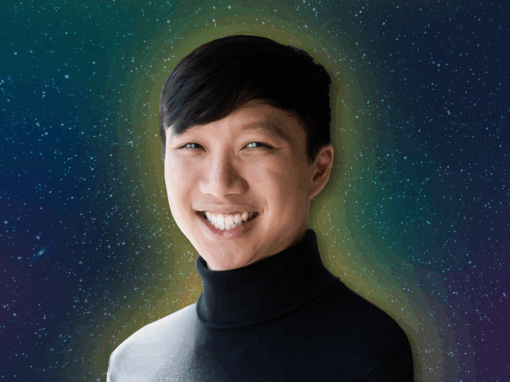
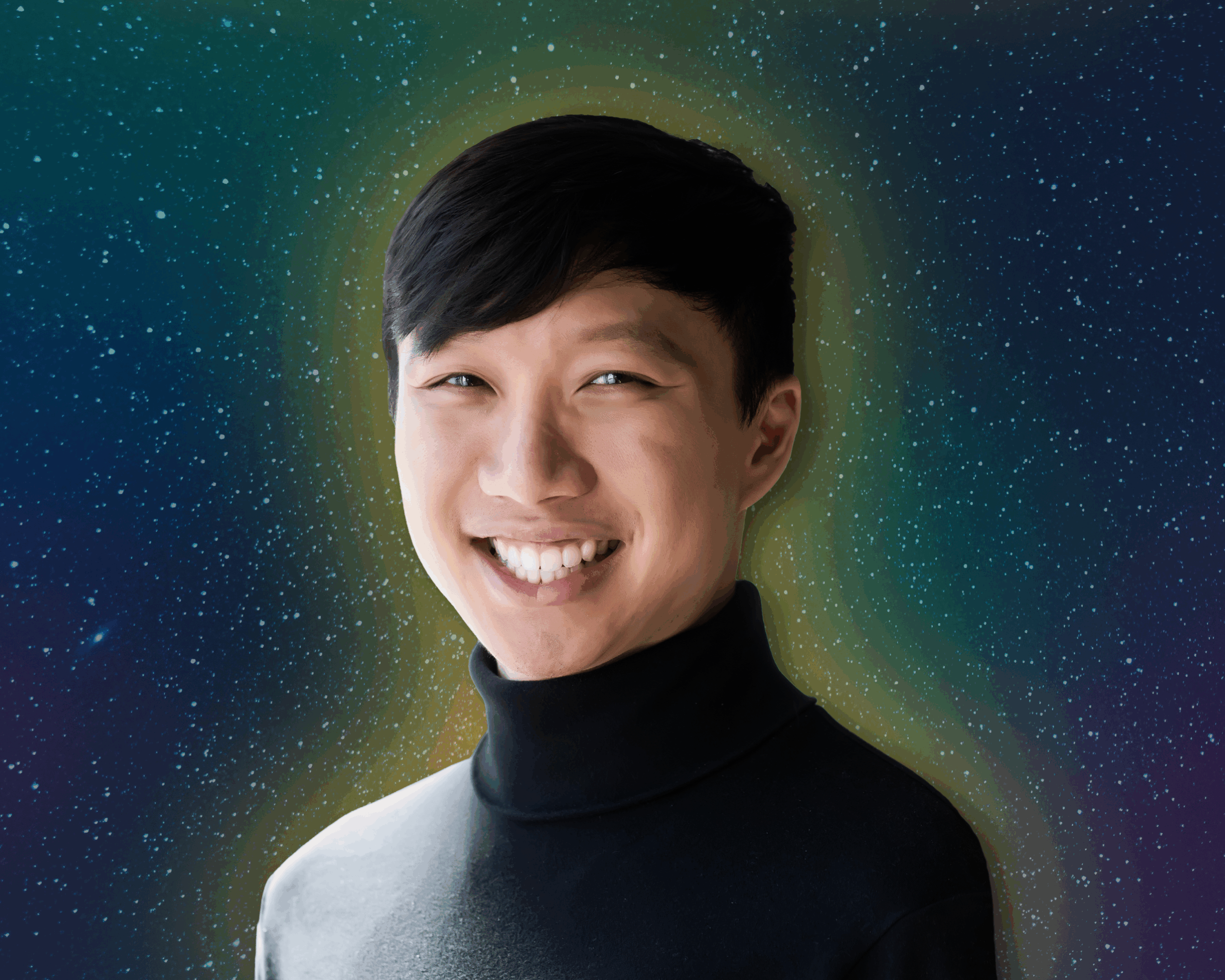
“Lasting, equitable change doesn’t start with having all the answers – it starts with empowering
one another and building relationships that matter.”
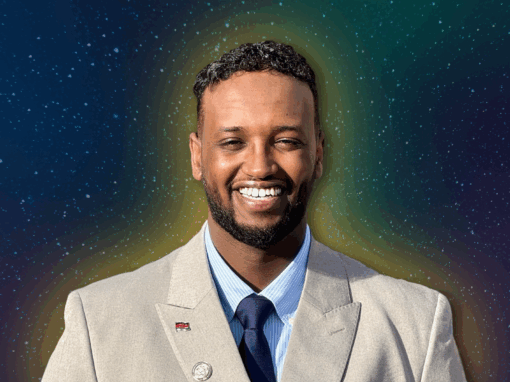
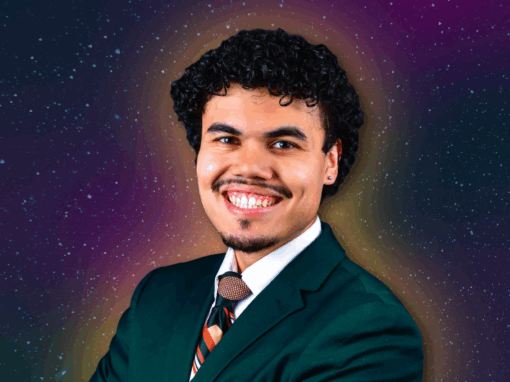
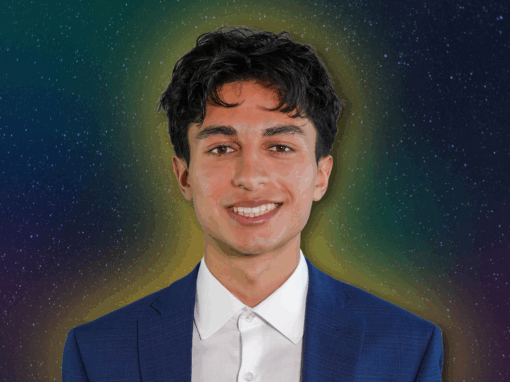
Ren An Lim
TOP 30 UNDER 30 HONOUREE | 2026
About
PROFILE SNAPSHOT
AGE: 28
PRONOUNS: He/Him
HOMETOWN: Bandar Seri Begawan, Brunei
CURRENT RESIDENCE: Edmonton, Alberta, Canada
ORGANIZATIONS:
- Canadian Red Cross
- Volunteer Alberta
- Sustainable Development Goals Students Association, University of Alberta
- Rotary District 5370 Rotaract Council
GLOBAL IMPACT FOCUS (SDGs)
I am most passionate about:
What specific issue(s) are you working to address, and what motivates you to do so?
I am motivated by questions of access and how systems either enable or constrain people’s ability to reach their potential and participate fully in their communities. Much of my work focuses on how connection, when intentionally and carefully built, can strengthen community capacity, and create more equitable outcomes across health, education, and civic life. My past experiences learning about and tackling the UN SDGs (Sustainable Development Goals) have also greatly raised my awareness on the sheer breadth of challenges facing the world today, and how interconnected they often are.
Currently, I am a Master of Arts in Community Engagement student at the University of Alberta, where my academic and applied work explores participatory approaches to research, program design, and evaluation. I am particularly interested in how community-led knowledge and lived experience can inform better decision-making and removal of systematic barriers in health and social systems.
Alongside my studies this year, I have worked on evaluation and program support for the Queer & Trans Health Collective’s Spectrum program, Alberta’s first queer-affirming drug-checking initiative. This work deepened my understanding of harm reduction, navigating political structures and the importance of centering community voice in services that directly impact people’s safety and dignity. Through collaborative evaluation design, I supported learning and analysis tools that help the program strengthen its impact while remaining accountable to the communities it serves.
My time working with gender justice has also shaped my work. During the pandemic, I supported On-Site Placement’s gender-equity education initiative by helping adapt healthy-relationship and violence-prevention resources for youth and nonprofit organizations. This experience reinforced how education, when paired with community partnerships, can support SDG 5 (Gender Equality) in practical and accessible ways.
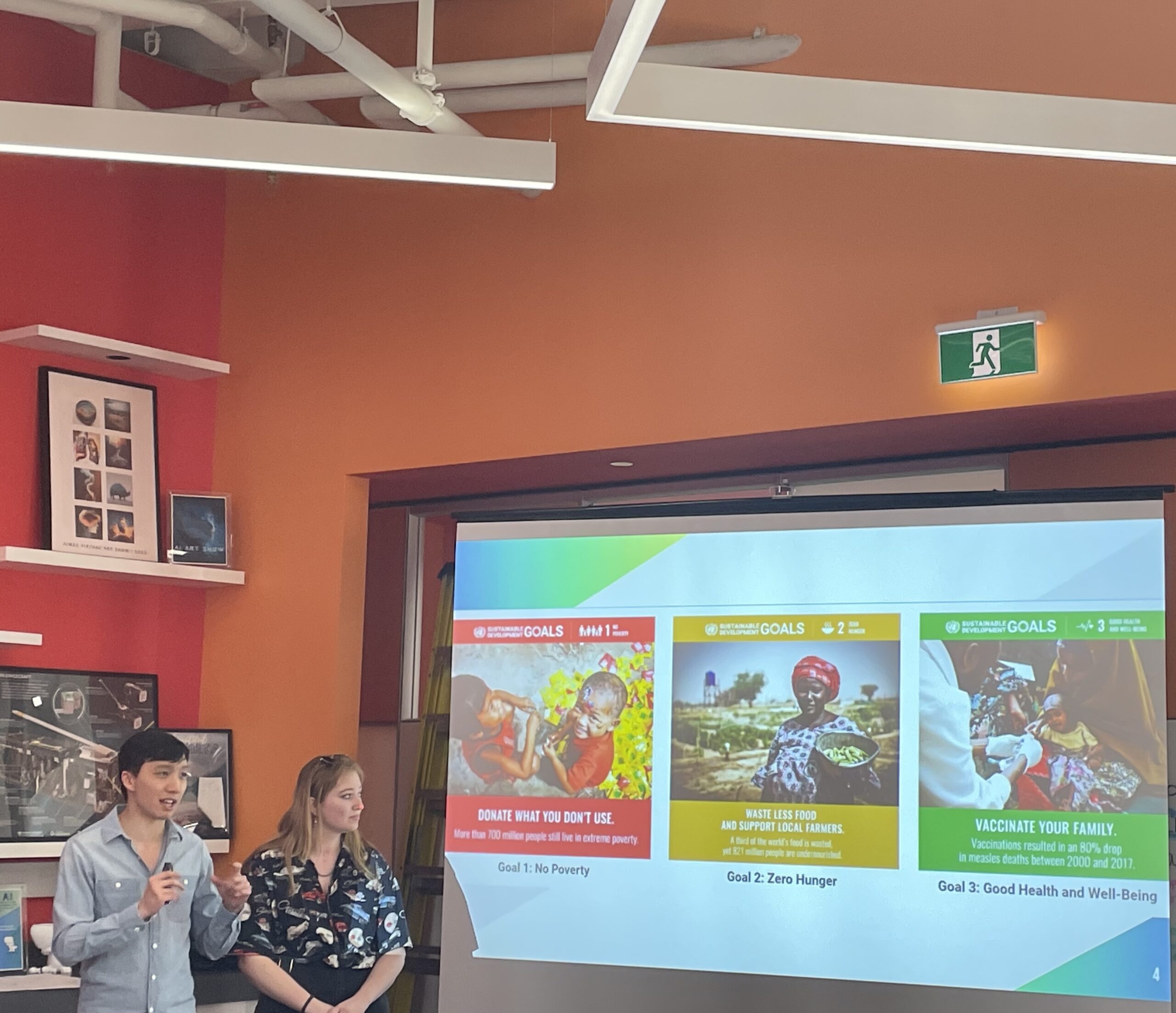
Earlier in my journey, I co-founded and then led the UN SDG Students Association at the University of Alberta after participating in the ACGC SDG Hub. Through student-led programming, school outreach, and community partnerships, we worked to make the SDGs more tangible and locally relevant, advancing SDG 12 (Responsible Consumption and Production) and SDG 17 (Partnerships for the Goals). I’m particularly proud of the partnerships that we built, both within the university as well as within the city and province, allowing us to help other like-minded non-profits advance the many different UN SDGs on a wider scale.
Across these projects and SDG initiatives, my motivation comes from witnessing how people flourish when systems make room for participation, guided learning, and shared leadership. I am driven to keep working at the intersection of community engagement, evaluation, and collaboration, where connection becomes an enabler of more just and resilient communities.
What are the ways in which you curate connection?
With any project, I look to create spaces where people feel safe to participate, contribute, and lead alongside others. My approach emphasizes collaboration, accountability and shared ownership, as well as active learning with communities to ground our work.
As President of the UN SDG Students Association, I worked with students, faculty, and community partners to co-design programming that invited dialogue rather than prescription. Events like sustainability cafés, creative workshops, and school outreach allowed participants to engage with complex global issues through conversation, reflection, and local action. These spaces brought together students, changemakers, nonprofit partners, each contributing their perspectives and strengths.
In my community-based work, connection often takes the form of listening. While supporting an evaluation project this year and a past gender equity initiative, I collaborated closely with staff and people with lived and living experience to shape evaluation questions and learning priorities. Listening to community members challenged my assumptions about what “success” looks like and reshaped my understanding of accountability.
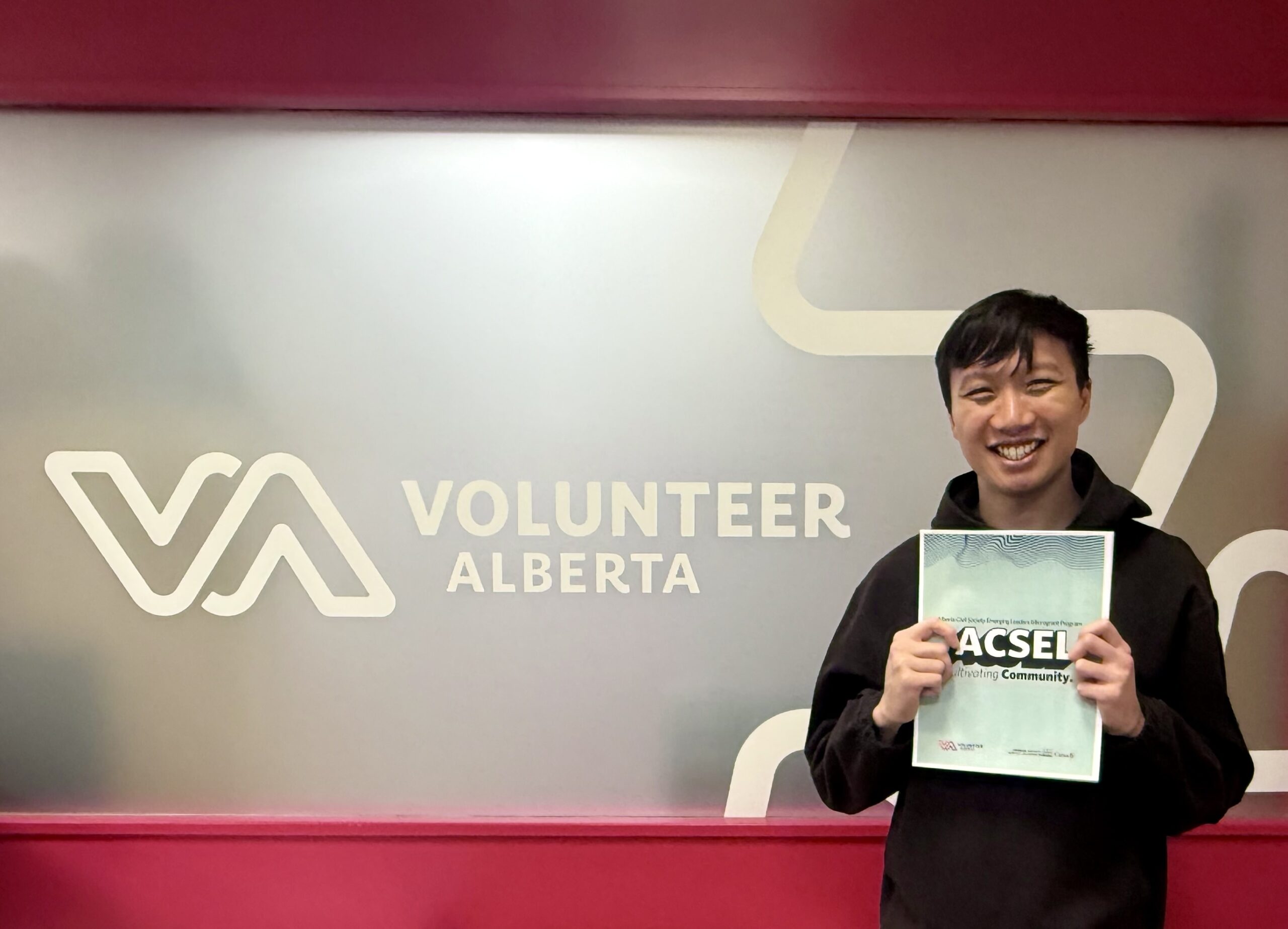
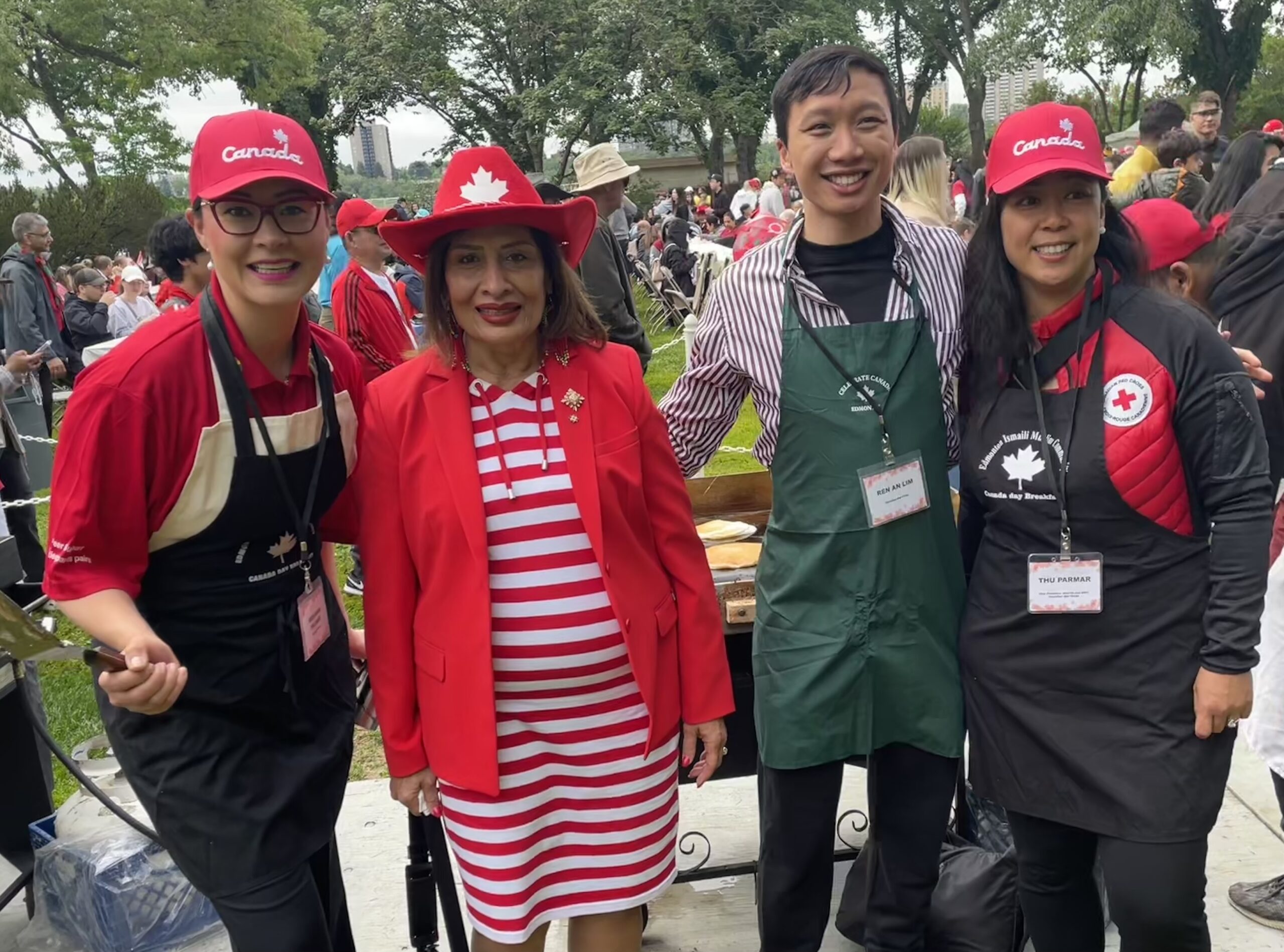
Being willing to take on different roles and step outside my comfort zone has also led me to new paths and connections. As a volunteer with the Canadian Red Cross, I work alongside staff and volunteers across departments to welcome community members, respond to inquiries, and help people navigate services. These everyday interactions reinforced for me the importance of compassionate, coordinated support systems and highlighted how interconnected community stakeholders truly are.
Looking back, I’m very grateful for all the people that have helped me along the way, provided lessons of life and imparted their values – I think it’s imperative to try to give back and show appreciation to those who have helped you along the way whenever possible.
Across all settings, I balance my own passion for change by remaining guided by collective needs. I ask questions, remain reflexive and open to adapting the approach. Connection, for me, is not just about bringing people together, but cultivating relationships are respectful, reciprocal, and grounded in care throughout.
What role will connection play in your future work?
Connection will remain central to my future work because sustainable change depends on relationships, not just programs or policies. In development and community-engaged work, especially in a world shaped by such complex challenges and diverse perspectives, its shared connection that enables trust, mutual understanding and collective problem-solving across differences.
I believe meaningful long-term impact can only emerge when the connections between communities, institutions, and individuals are themselves long-term, reciprocal, and grounded in respect for lived experience. In practice, this means investing time in listening, frameworks, and creating feedback loops that allow learning to shape action.
As I continue my academic and professional journey, I aim to work at the intersection of analysis and evaluation, community engagement and collaboration with stakeholders, translating shared knowledge into practice. Whether working with nonprofits or public institutions, I see connection as the bridge between evidence and action.
From my Masters program, I’ve gained a greater appreciation for the need to create spaces that support dialogue across sectors, generations, and communities. We need systems that value relational work, even when it is slower or less visible. When people feel connected to each other and to decision-making processes, solutions become more relevant, resilient, and inclusive.
Ultimately, I believe connection can drive the future of sustainable development by shifting power, strengthening community capacity, and ensuring that progress is shaped by those most affected. It is through connection that lasting change becomes possible.
More Top 30s from 2026