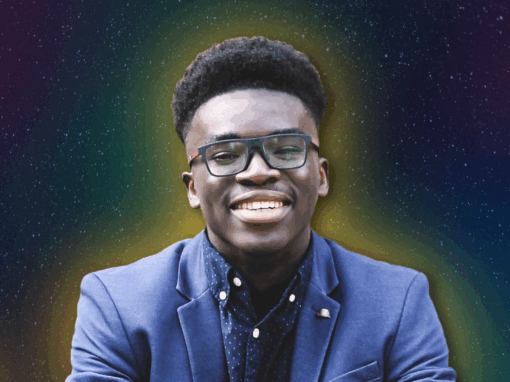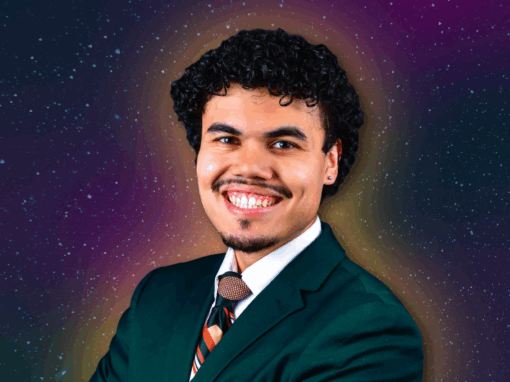
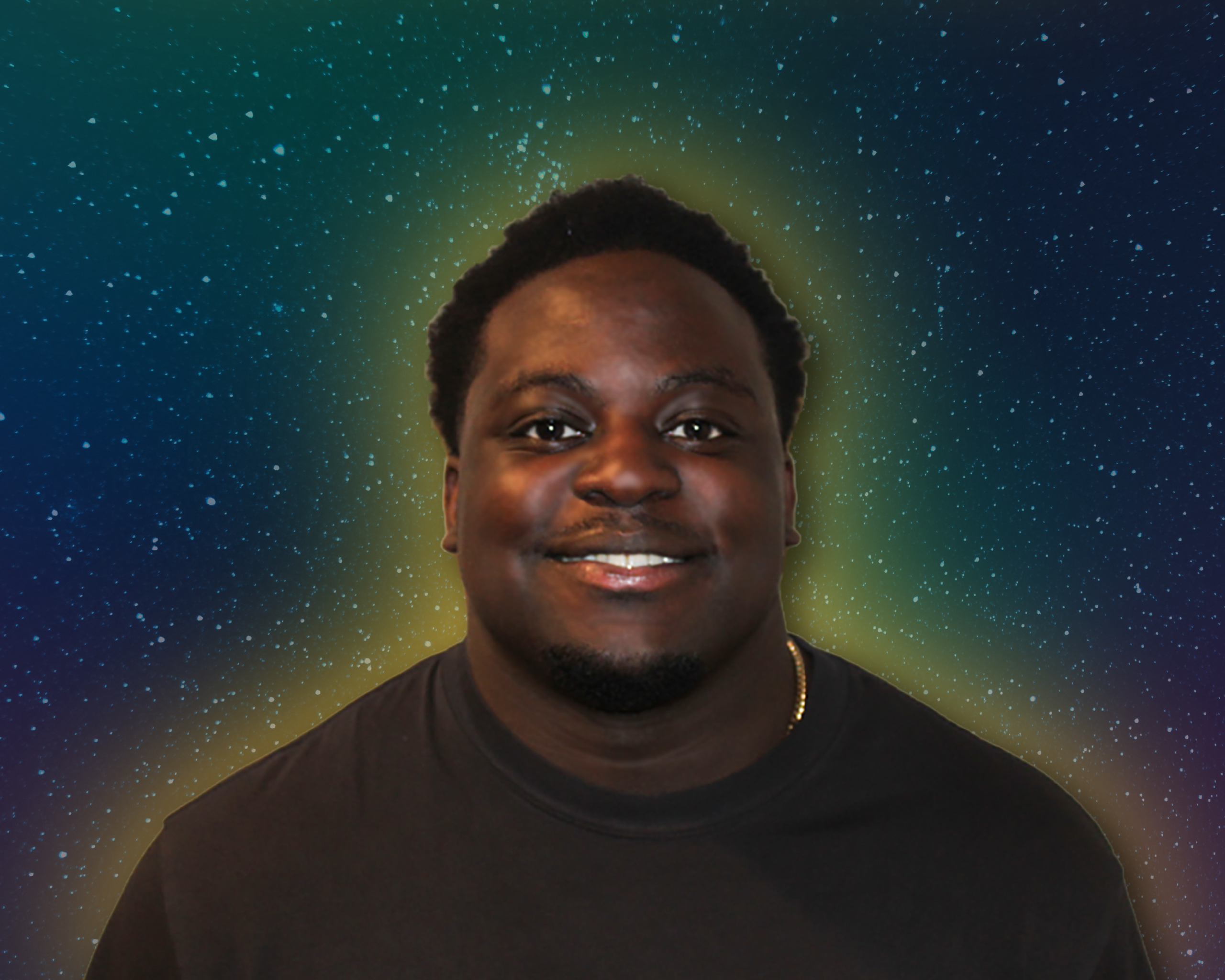
“Equity becomes real when evidence meets empathy, and when youth are trusted to co-create the change they want to see; youth are not only the future of global development, they are its present-day architects.”
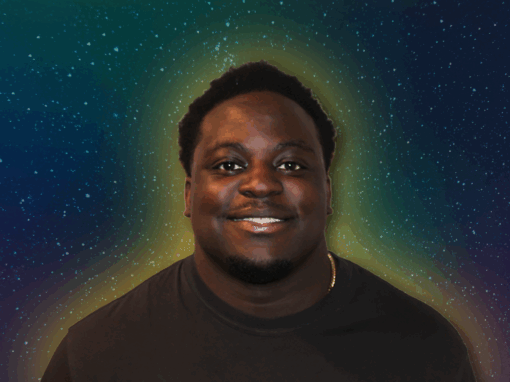
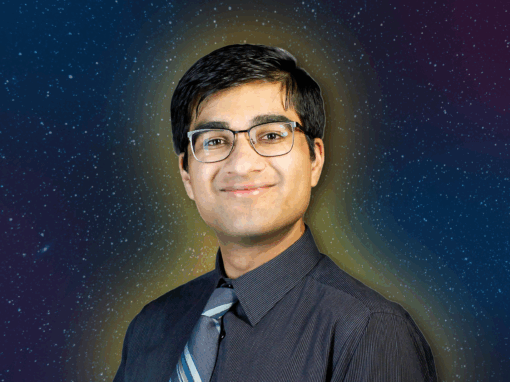
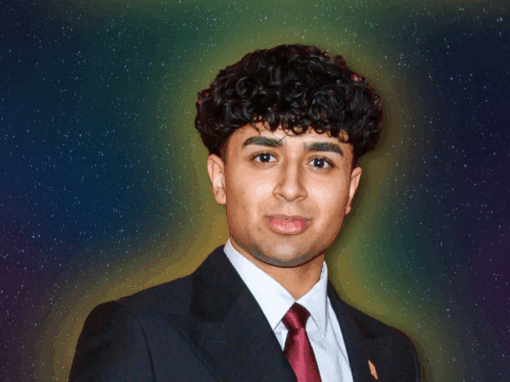
Prosper Komolafe
TOP 30 UNDER 30 HONOUREE | 2026
About
PROFILE SNAPSHOT
AGE: 20
PRONOUNS: He/Him
HOMETOWN: Calgary, Alberta, Canada
CURRENT RESIDENCE: Calgary, Alberta, Canada
ORGANIZATIONS:
- Health Equity for All (HE4L)
- O’Brien Institute for Public Health, University of Calgary
- Increasing Capacity for Maternal and Pediatric Clinical Trials (IMPaCT) Program
- Canadian Collaborative for Childhood Cannabinoid Therapeutics (C4T)
- YMCA Calgary
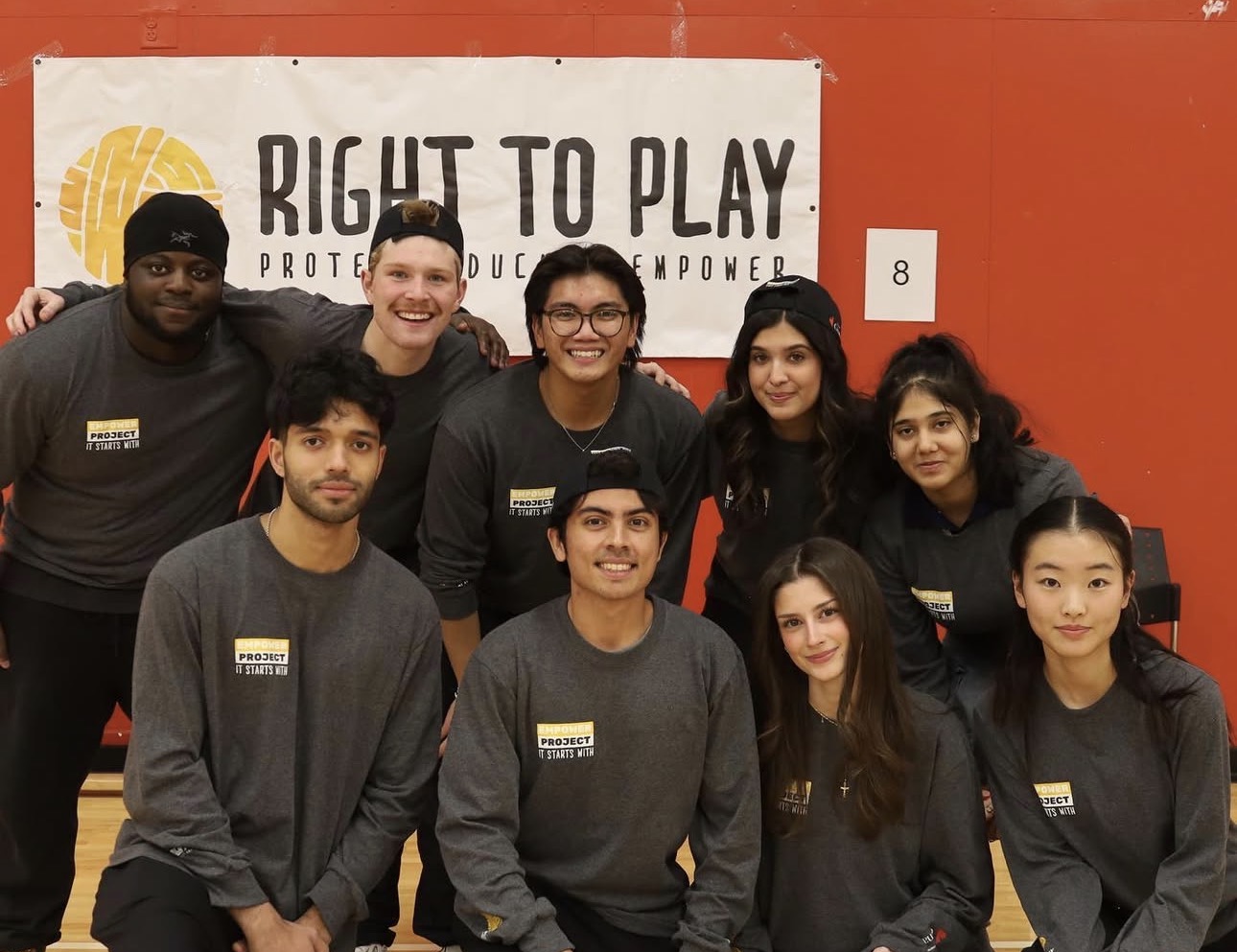
- Right to Play, University of Calgary
- Medavie Health Services West
GLOBAL IMPACT FOCUS (SDGs)
I am most passionate about:
What specific issue(s) are you working to address, and what motivates you to do so?
The issue I am committed to addressing is inequitable access to health and wellness supports for youth, particularly those who are racialized, marginalized, or living in communities where systems are fragmented or under-resourced. Across Canada, many young people are navigating mental health challenges, preventive care, and social supports within systems that were not designed with their realities in mind. Services are often culturally unsafe, leaving youth to fall through the cracks at moments when support matters most.
My motivation comes from witnessing how these gaps show up in real lives. Through my research in public health, I have seen how race, gender, geography, and socioeconomic status shape who receives care early and who is left navigating barriers alone. Through my clinical and community work, I have seen the cost of delayed care, stigma, and invisibility. These experiences have grounded my commitment to building health systems that are not only evidence-based but also compassionate and equitable by design.
Ultimately, I envision a world where change is both compassionate and sustainable. I believe that when youth are trusted as partners in research, policy, and practice, we move closer to systems that are not only more just but also more effective at their core.
What are the ways in which you curate connection?
I curate connection by intentionally bringing together people who are often separated by systems (students and researchers, youth and decision-makers, communities and institutions), and creating spaces where knowledge can move in both directions. Locally, this has meant co-founding Health Equity for All (HE4L) to connect undergraduate and high-school students with research, storytelling, and policy conversations around health equity. Through public dialogues and a youth-written magazine, we create accessible entry points for students to engage with issues that are often hidden behind academic language.
In my research work, I curate connections by embedding youth voices into formal structures. Through national research initiatives and mentorship programs, I collaborate with clinicians, academics, policymakers, and community organizations to ensure that young people are not only consulted but meaningfully involved in shaping critical research.
Most importantly, working with communities requires constant listening and humility. I balance my own passion by treating lived experience as expertise and allowing community priorities to guide the direction and pace of projects. For me, connection is not about convening people around my ideas. It is about creating conditions where people feel seen, heard, and empowered to shape outcomes collectively.
What role will connection play in your future work?
Connection will be central to my future work because meaningful development cannot occur in isolation. Connection is the bridge between evidence and impact; it is how research becomes relevant, how policy becomes responsive, and how systems remain accountable to the people they serve.
In development work, connection ensures that solutions are not imposed, but co-created. It allows diverse forms of knowledge to exist alongside one another and inform better decision-making. Without connection, even well-funded initiatives risk becoming disconnected from the realities they aim to address.
To harness the power of connection for lasting change, we must prioritize relationships that are sustained rather than symbolic. This involves building partnerships across disciplines, sectors, and communities, and establishing structures that foster trust over time. The most meaningful connections are those that redistribute power; where youth, marginalized communities, and frontline voices are involved early and continuously, not only at moments of consultation.
I believe connection can drive the future of sustainable and inclusive development precisely because it resists one-size-fits-all solutions. When systems are shaped through relationships, they become more adaptive, culturally responsive, and resilient. In my future work as a physician-scientist, I aim to continue building these bridges, ensuring that development is grounded in empathy, informed by evidence, and guided by the collective wisdom of our communities at its center.
More Top 30s from 2026