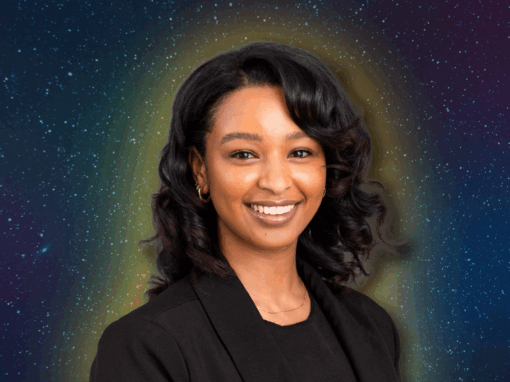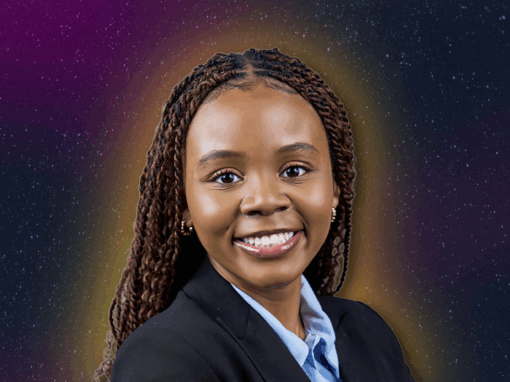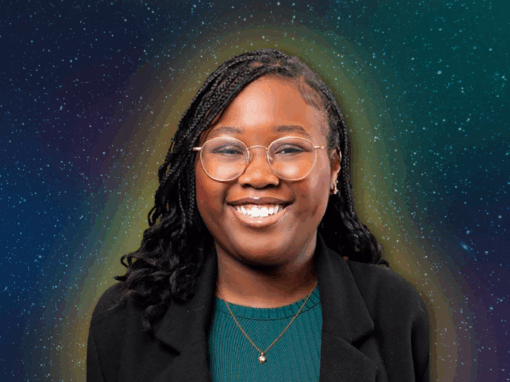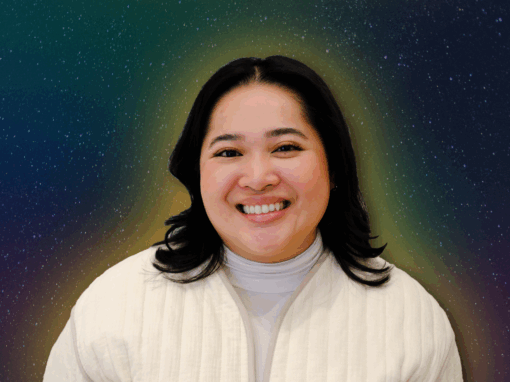
“I encourage people to move through the world consciously building connections, knowing that who we become, and the world we collectively experience, is shaped by the ways in which we stay connected to one another.”
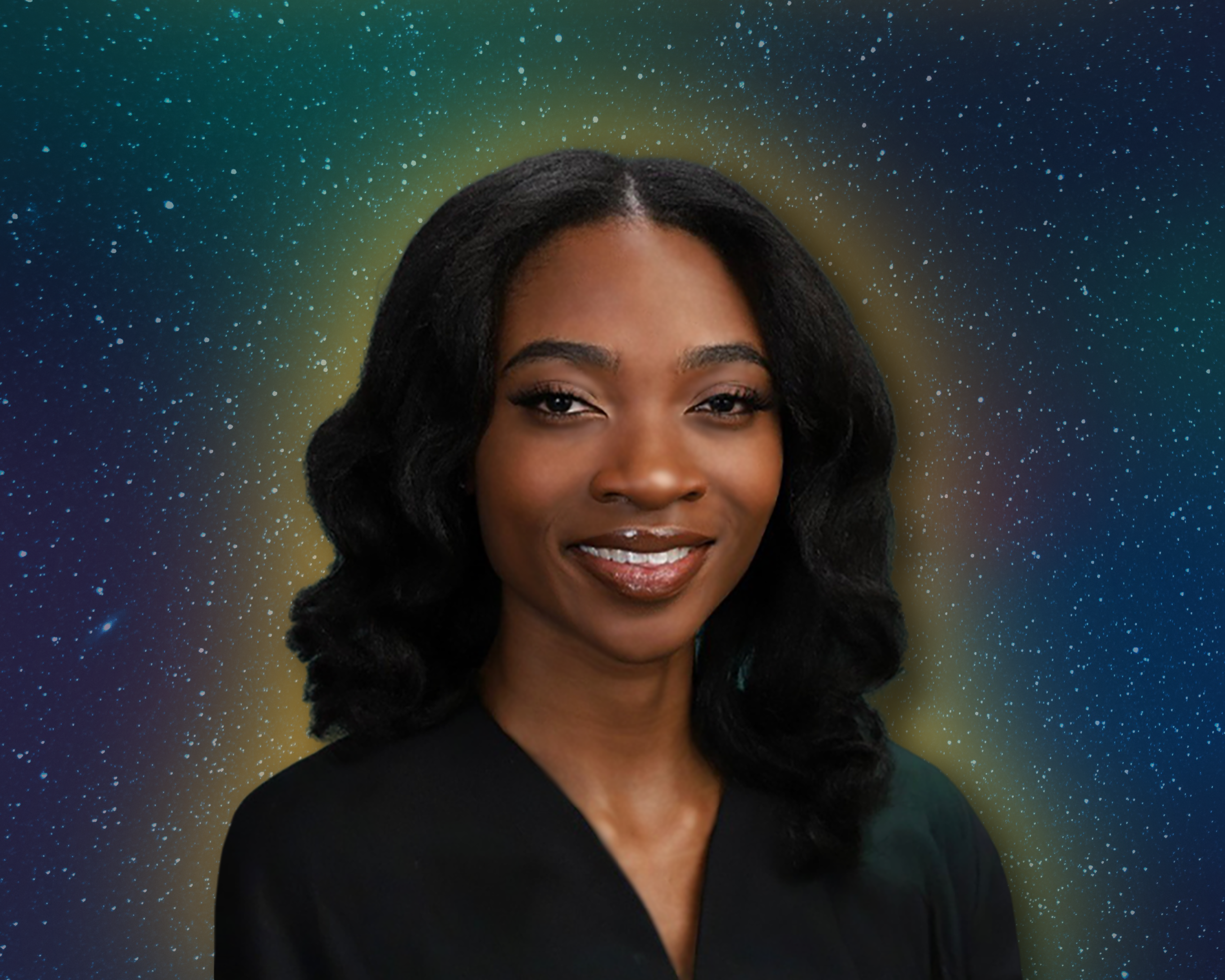
Nyasha Guta
TOP 30 UNDER 30 HONOUREE | 2026
About
PROFILE SNAPSHOT
AGE: 27
PRONOUNS: She/Her
HOMETOWN: Edmonton, Alberta, Canada
CURRENT RESIDENCE: Edmonton, Alberta, Canada
ORGANIZATIONS:
- Atlantic Council for Global Cooperation
- Nova Scotia Gambia Association
- Youth Challenge International
- Norsaac
- NiV
- World University Service of Canada
- Young Diplomats of Canada
- United Nations Association in Canada
GLOBAL IMPACT FOCUS (SDGs)
I am most passionate about:
What specific issue(s) are you working to address, and what motivates you to do so?
The issues I am taking on sit at the intersection of women’s wellbeing, youth leadership, and equitable development, particularly in contexts shaped by colonial legacies, economic exclusion, and uneven access to opportunity. In my work in Canada and globally, I focus on how development systems can better support women and young people not only as participants, but as knowledge holders, leaders, and co-creators of lasting solutions.
My motivation is directly tied to my lived experiences. Growing up across multiple cultural and geographic contexts, I witnessed how global systems often overlook the relational, cultural, and community-based dimensions of wellbeing. I saw women, especially those navigating economic precarity, carry immense responsibility while remaining excluded from decision-making spaces that directly affect their lives. These experiences shaped my commitment to development approaches that prioritize connection, dignity, and locally led leadership over extraction or short-term outcomes.
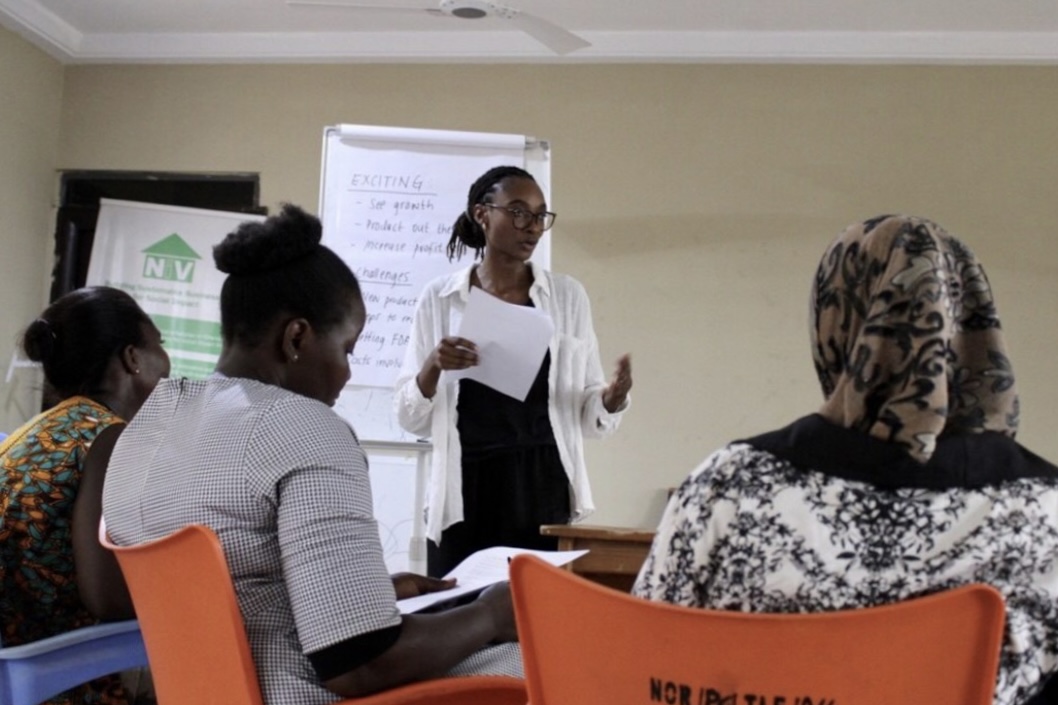
My current work focuses on supporting women-led and youth-driven initiatives through community-centered facilitation, research, knowledge-sharing, and engagement with systems-level change. In Ghana, I have worked alongside young women to create inclusive spaces for learning, confidence-building, and economic opportunity, supporting local social enterprises and collective growth. In The Gambia, my work centered more directly on reproductive health learning, supporting young women and communities to engage with topics related to health, wellbeing, and bodily autonomy in culturally responsive and respectful ways.
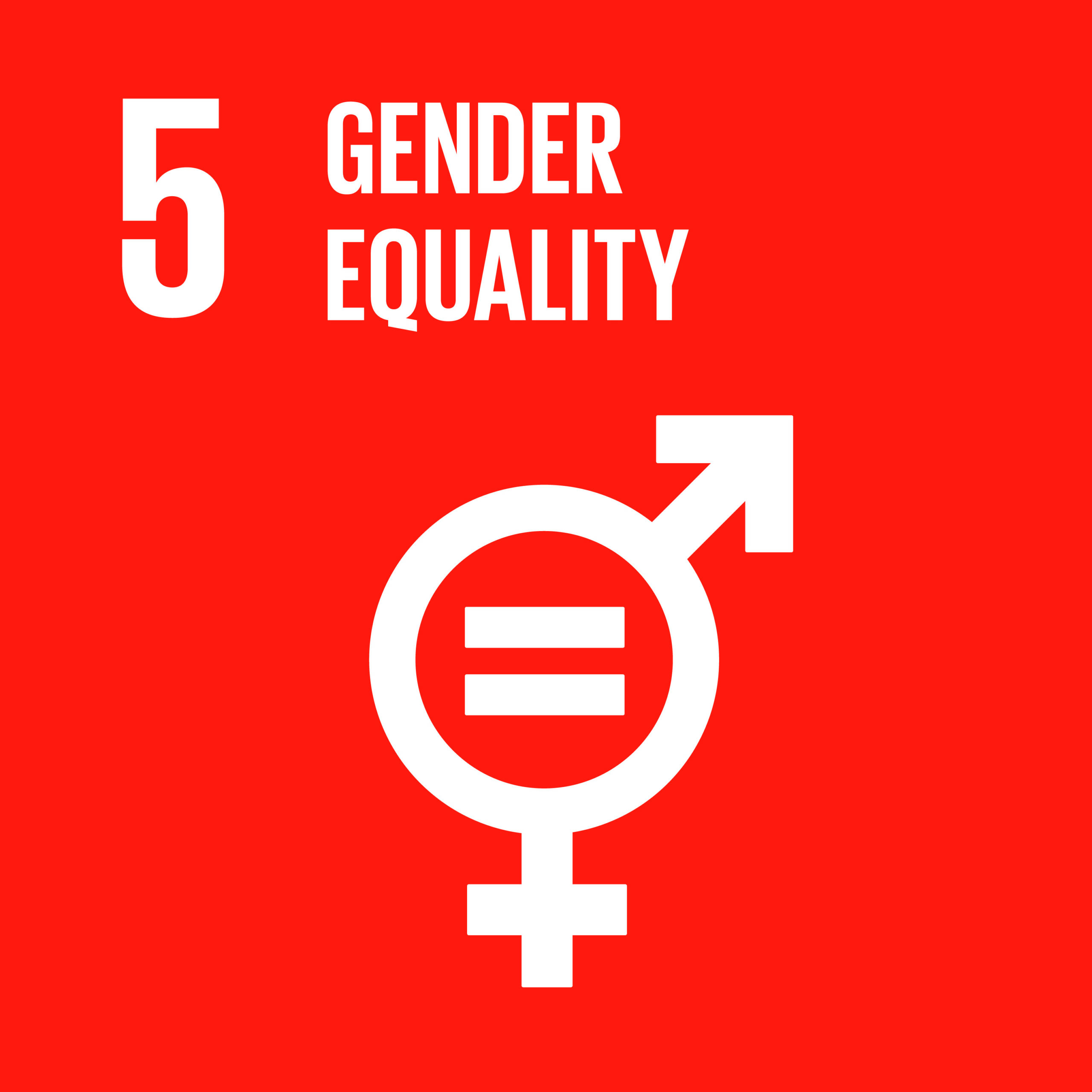
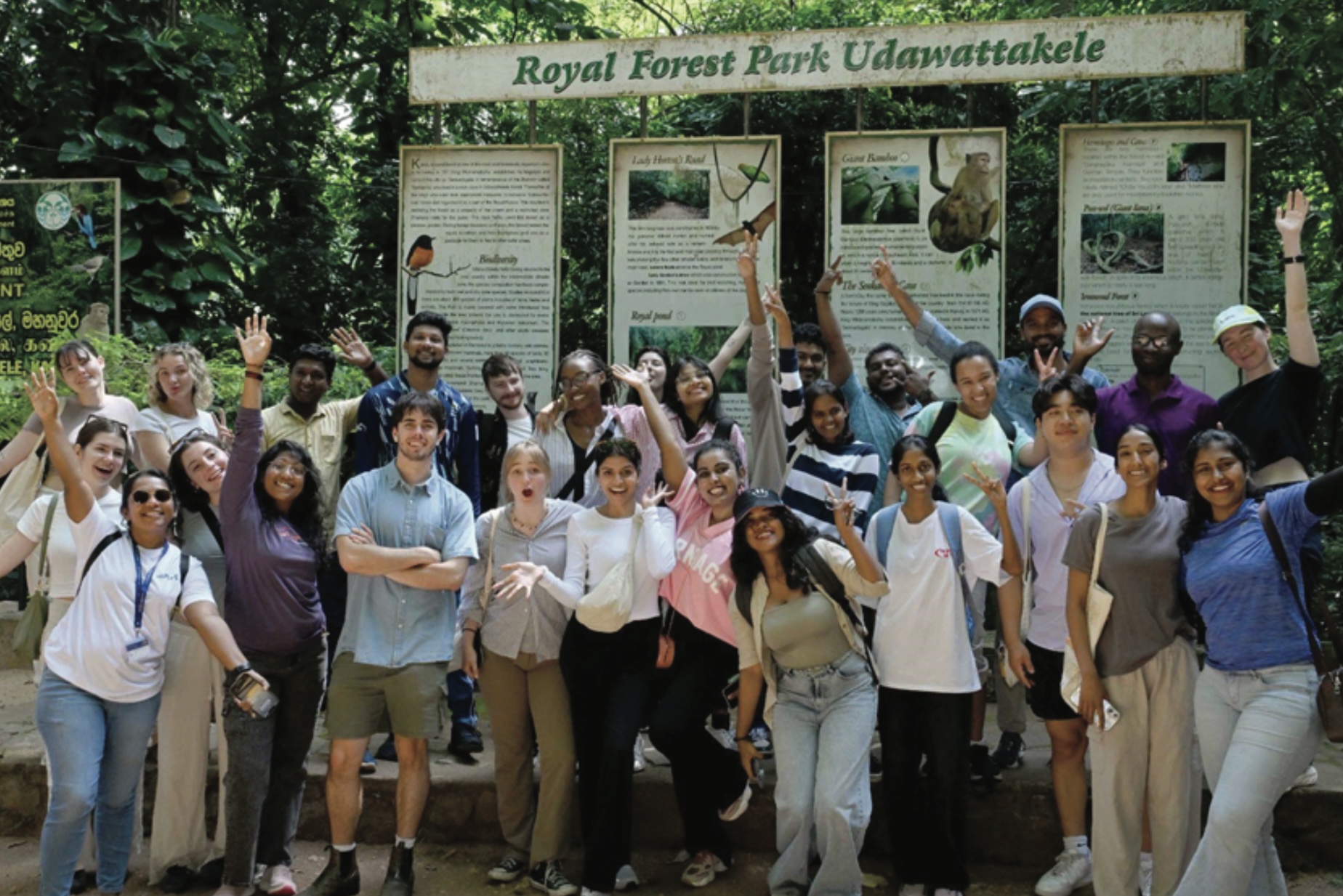
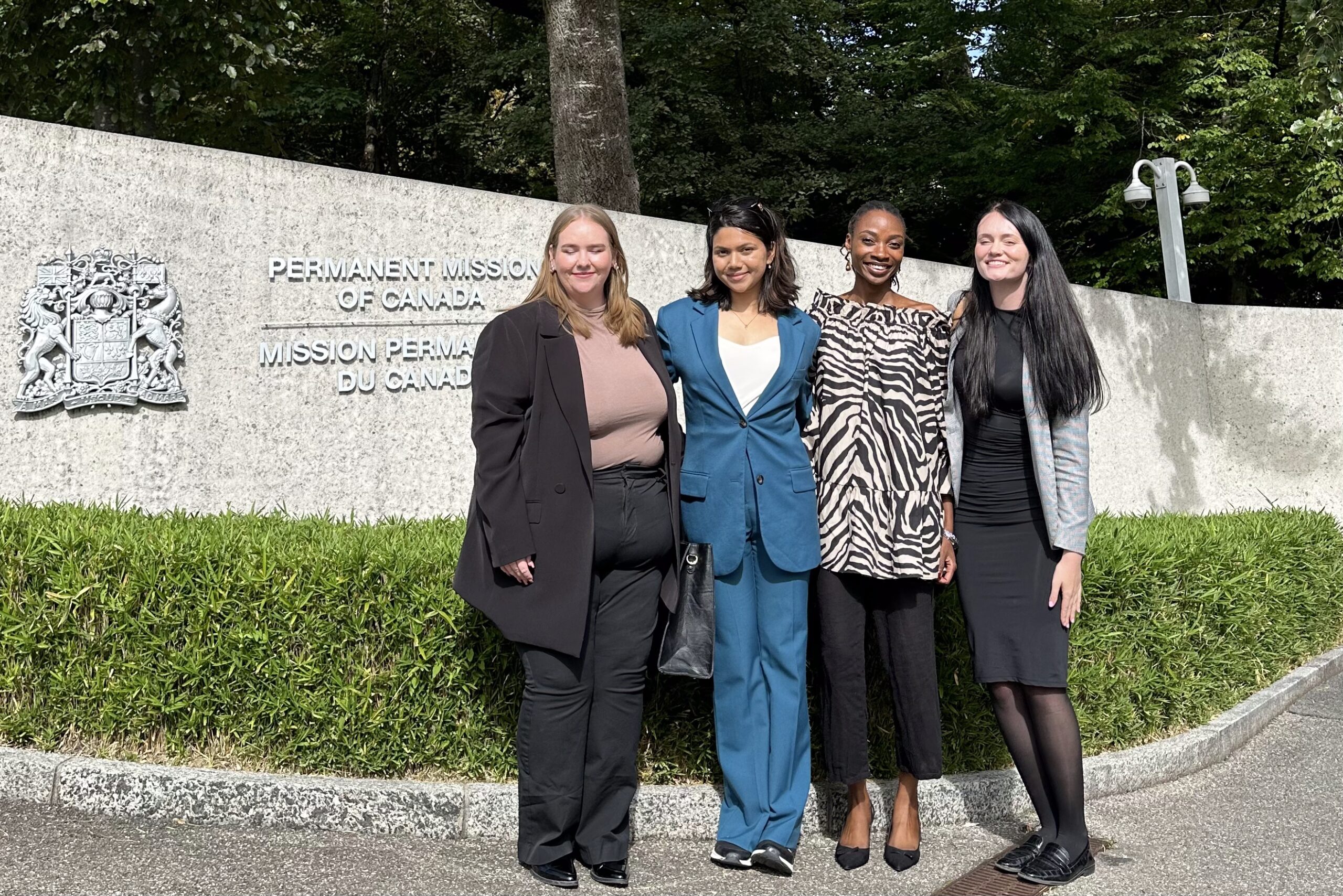
Alongside this community-based work, I have engaged in youth-led research and policy-oriented spaces that bring young people together across cultures. In Sri Lanka, I participated in a month-long collaborative research seminar that brought Canadian and Sri Lankan youth together to explore shared questions of sustainable development. I have also engaged in multilateral forums that connect youth voices with institutional and policy actors, supporting collaborative learning and global cooperation. Together, this work contributes to Sustainable Development Goals 5 (Gender Equality), 8 (Decent Work and Economic Growth), 10 (Reduced Inequalities), 4 (Quality Education), and 17 (Partnerships for the Goals).
A consistent thread across my past and current projects is the belief that lasting change happens through relationships between people, across cultures, and within systems. Whether working at the community level or engaging with institutional actors, I am motivated by approaches that build trust, value lived knowledge, and bridge grassroots realities with policy and decision-making spaces.
More recently, my writing and reflective work have deepened my understanding of how cultural memory, embodiment, and historical knowledge systems inform leadership, particularly among women. This perspective continues to shape how I show up in development spaces encouraging me to move slowly, listen carefully, and treat connection itself as a form of power.
Ultimately, my work is guided by a long-term commitment to relational and inclusive development, where women and youth are recognized not just for their resilience, but for their leadership in shaping more just and sustainable futures.
What are the ways in which you curate connection?
I curate connection by creating spaces where people feel seen, heard, and able to learn from one another. My approach is relational rather than transactional, and guided by the belief that meaningful change begins with trust and shared understanding.
In practice, this has taken many forms. Locally and globally, I have facilitated small-group workshops with women, supported youth-led research initiatives, and collaborated with peers across cultures through international seminars and delegations. These spaces may be as simple as facilitated dialogue or as structured as a multi-week research collaboration, but the intention is always the same: to bring people into conversation in ways that honor their lived experiences and collective wisdom.
The stakeholders involved in this work are diverse and interconnected. They include women and youth participants, community-based organizations, fellow researchers, facilitators, and institutional actors such as development organizations and policy practitioners. I see my role as a bridge, helping translate between grassroots realities and broader systems, while making sure that community voices are not lost or simplified in the process.
I work with communities through listening first. I focus on asking questions, observing dynamics, and adapting my approach based on what people identify as their priorities. Balancing my individual passion with collective needs requires humility and restraint and knowing when to step forward and when to step back, and being accountable to the people I am working alongside.
One experience that transformed my approach occurred while supporting reproductive health learning with young people in The Gambia. As storytelling emerged through their questions and beliefs, I realized that facilitation was less about delivering information and more about creating space for guided exploration. Letting their stories lead reshaped how I listen and lead. It reinforced that connection itself is not a precursor to the work as it is the work itself.
What role will connection play in your future work?
In my experience, development efforts falter when people are treated as part of a process rather than as participants in relationship. Connection changes that. It builds trust, shared responsibility, and care, and allows work to move beyond projects and timelines into something people actually live and carry forward. When people are connected to one another, to their histories, and to the systems shaping their lives, I truly believe change lasts because it belongs to them.
Harnessing the power of connection requires slowing down and paying attention to dynamics and interactions. It means taking time to understand how relationships form and how meaning is created collectively. Oftentimes, the most sustainable solutions emerge not from technical design alone, but through shared understanding. The connections that matter most are not only between institutions, but among women in networks of support, youth learning across cultures, and communities engaging with systems that have historically excluded them.
I believe connection can guide the future of sustainable and inclusive development precisely because it resists the isolation that strips work of its humanity. As a Zimbabwean-born Canadian, I grew up with the Shona understanding of Unhu, or Ubuntu, the idea that wellbeing is collective and that we become who we are through one another. This teaching continues to shape how I understand progress and how I show up in my work. In my future work, I aim to cultivate spaces where people can shape development together in ways that restore dignity and strengthen people’s sense of agency.
More Top 30s from 2026