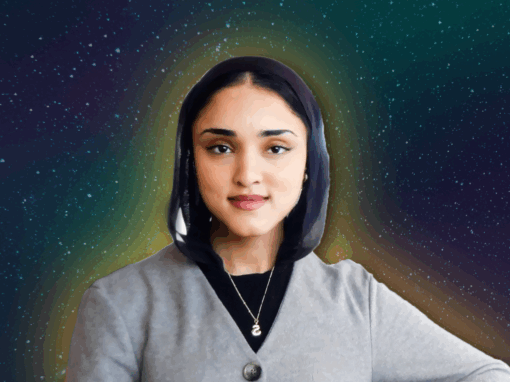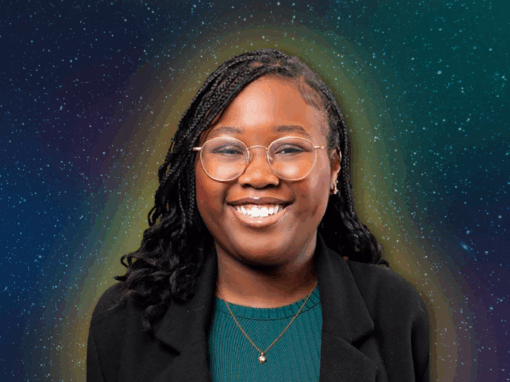

“We carry our ancestors’ resilience and generations of prayers; therefore, we owe the future more than just survival. ”
Nazifa Rahman
TOP 30 UNDER 30 HONOUREE | 2026
About
PROFILE SNAPSHOT
AGE: 29
PRONOUNS: She/Her
HOMETOWN: Calgary, Alberta, Canada
CURRENT RESIDENCE: Calgary, Alberta, Canada
ORGANIZATIONS:
- United Nation Global Compact (Canada)
- MAX Canada -Muslims Achieving Excellence Canada
- Sustainable Energy Development Student Society
- Clean Resources Innovation Network (CRIN)
GLOBAL IMPACT FOCUS (SDGs)
I am most passionate about:
What specific issue(s) are you working to address, and what motivates you to do so?
The primary issue I am addressing is the gap between sustainability ambition and execution—particularly within energy systems and supply chains that shape economic, environmental, and social outcomes. Climate and equity goals often fail not due to lack of intent, but because they are not embedded into the operational decisions that govern procurement, infrastructure delivery, and risk management. My work focuses on translating sustainability from principle into practice by integrating it directly into how organizations plan, contract, and invest.
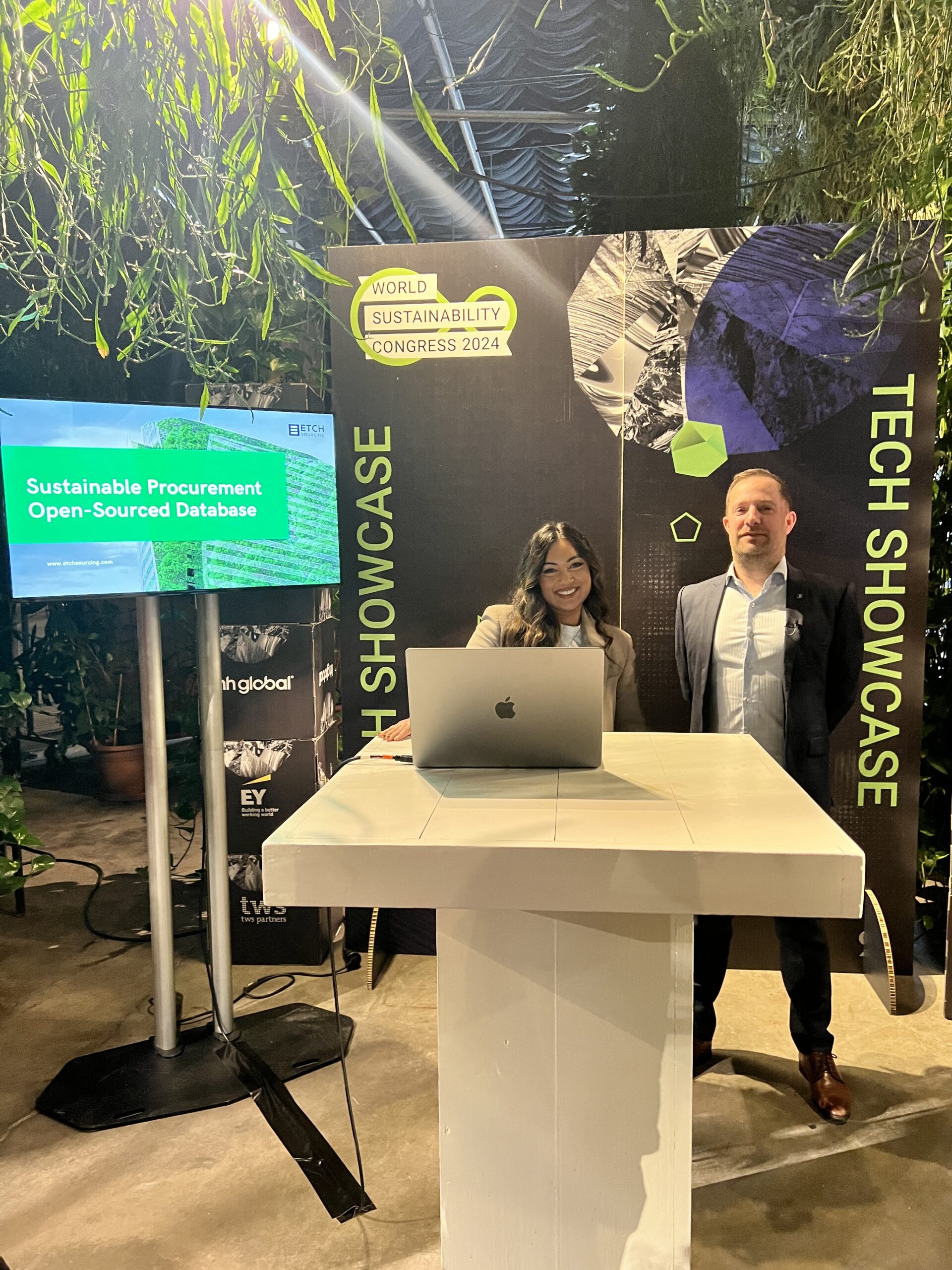
In my current role as Sustainability Manager at a procurement and supply-chain consulting firm, I focus on advancing sustainable procurement as a systems-level lever for change. I lead the development of practical tools such as a Sustainable Procurement Database, standardized ESG evidence requirements, and contract frameworks that embed climate performance, circularity, health and safety, and accountability into supplier relationships. This work supports SDG 12 (Responsible Consumption and Production) by shifting purchasing decisions toward transparent, lower-impact supply chains, and SDG 13 (Climate Action) by enabling measurable emissions reductions through procurement governance rather than voluntary commitments alone.
A second major focus of my work is the energy transition. Through applied research, I examine electricity demand growth driven by AI and data centres, renewable integration, and grid reliability—particularly in Alberta. This work contributes to SDG 7 (Affordable and Clean Energy) and SDG 9 (Industry, Innovation and Infrastructure) by informing how energy-intensive industries can scale while maintaining system stability and emissions integrity. My motivation here is pragmatic: infrastructure decisions made today will shape emissions, affordability, and resilience for decades to come.
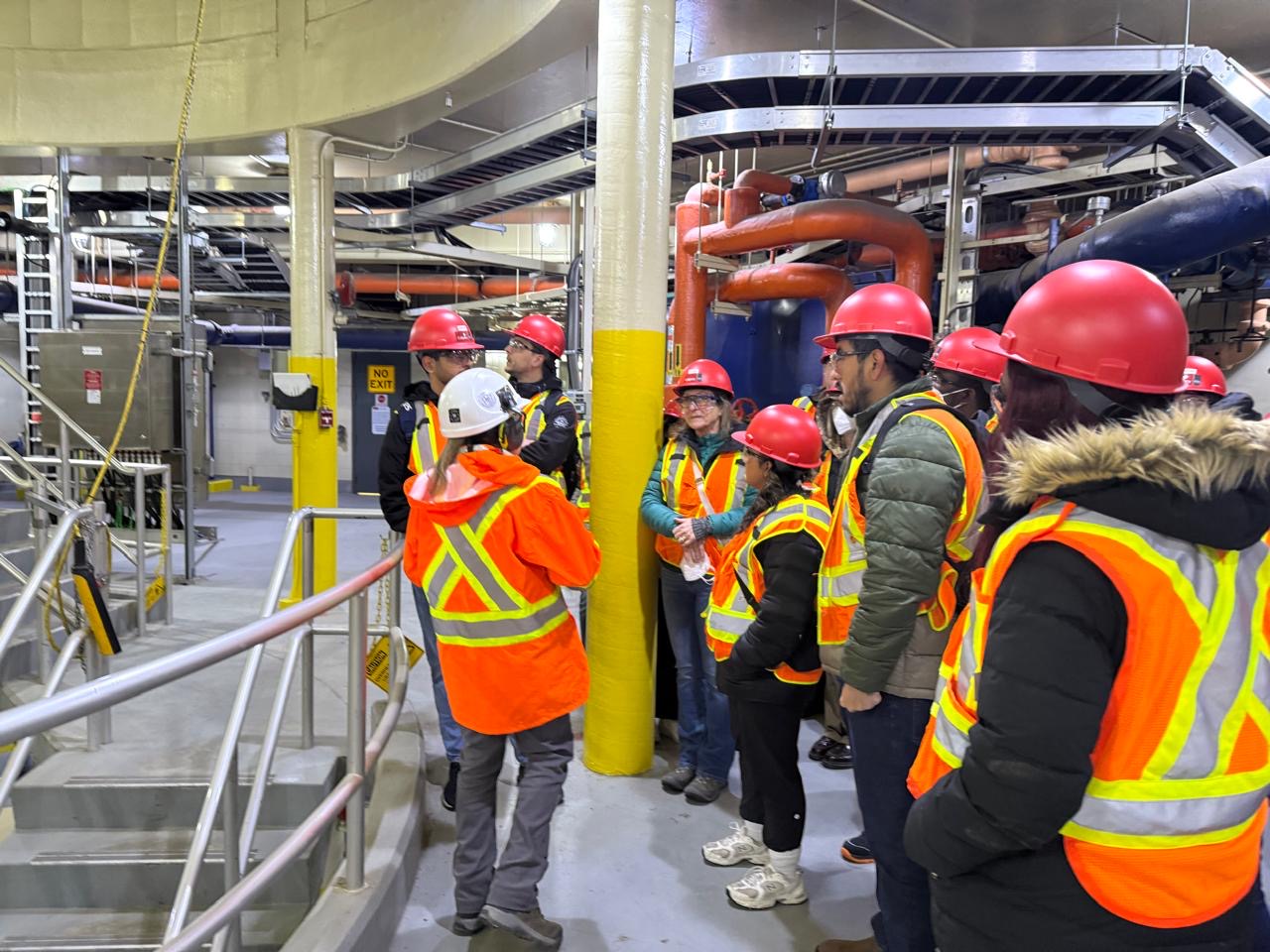
In parallel, I serve as President of a graduate-level sustainable energy program, where I design speaker series, technical site visits, and mentorship initiatives that connect students with industry and policy leaders. This work aligns with SDG 8 (Decent Work and Economic Growth) by strengthening pathways into climate-relevant careers and SDG 10 (Reduced Inequalities) by lowering access barriers for first-generation, international, and working students.
Equity is a foundational principle across my work. Through community leadership and International Women’s Day programming, I create platforms that elevate under-represented voices—particularly Muslim women—in business, policy, and STEM. These efforts support SDG 5 (Gender Equality) by pairing visibility with mentorship, networks, and tangible opportunity.
What motivates me is a belief that sustainability must be durable to matter. By embedding climate action, equity, and accountability into the systems that govern how organizations operate, I aim to help build solutions that endure beyond individual projects, roles, or political cycles.
What are the ways in which you curate connection?
I curate connection by intentionally designing spaces—formal and informal—where people with different expertise, lived experiences, and levels of power can collaborate toward shared outcomes. My work spans local and global contexts, from organizing small-scale mentorship and speaker events to convening multi-stakeholder conversations across industry, academia, and community organizations.
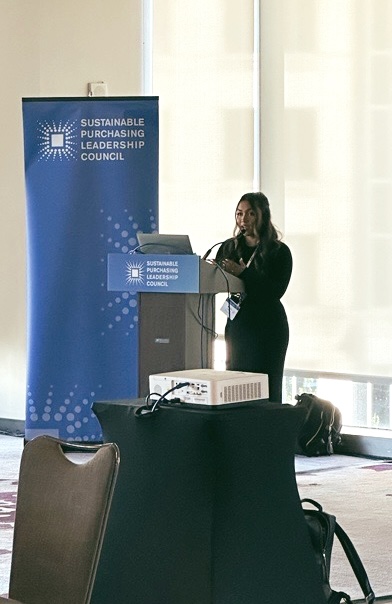
Locally, as President of a graduate-level sustainable energy program, I curate connection through industry speaker series, technical site visits, and peer mentorship that link students with utilities, policymakers, and infrastructure practitioners.
Globally and professionally, I curate connection by aligning sustainability, procurement, legal, engineering, and supplier stakeholders around shared evidence and risk frameworks, enabling collaboration across organizational and geographic boundaries.
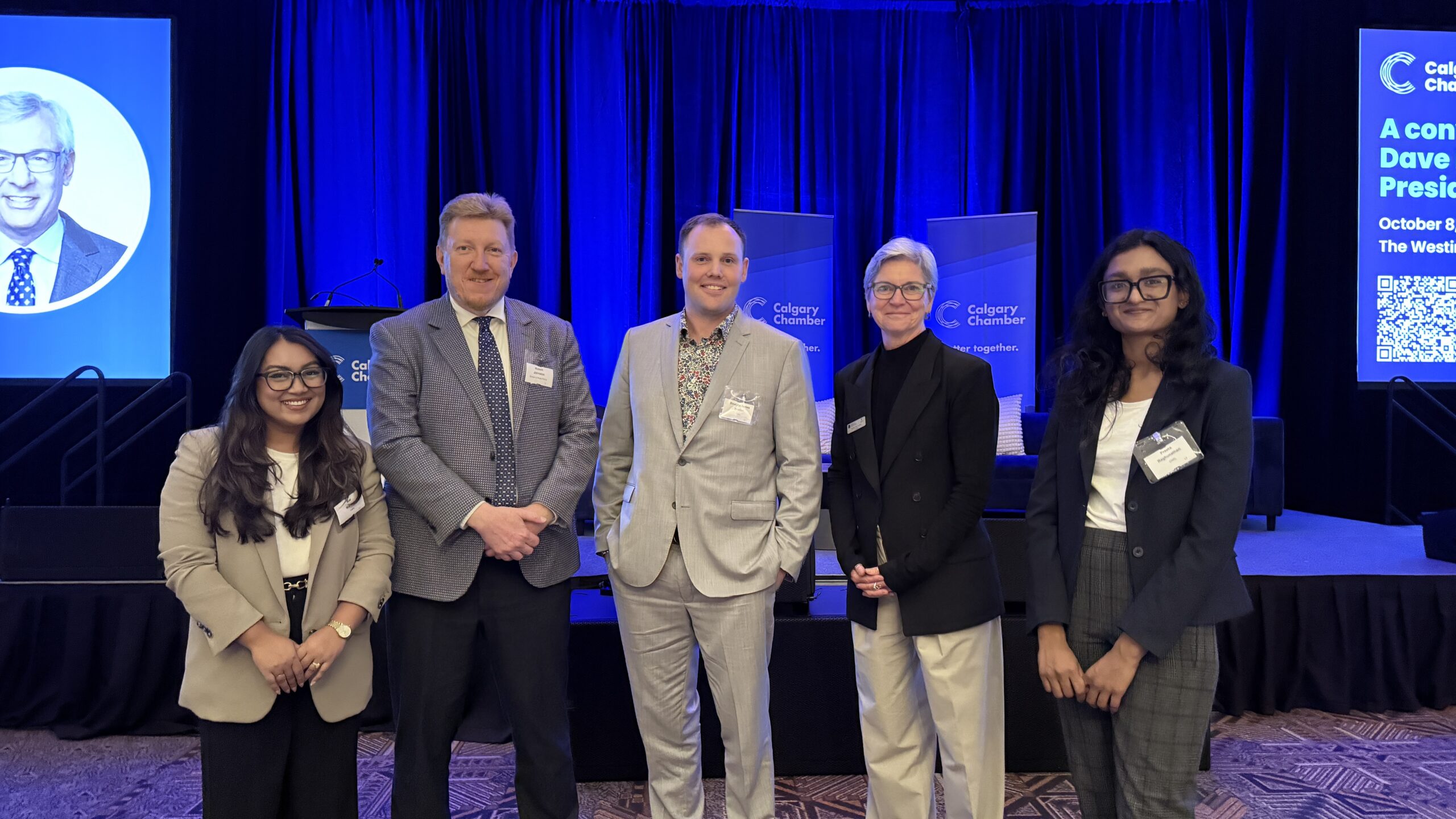
In community spaces, including International Women’s Day programming, I help convene leaders across business, policy, and STEM while creating low-barrier entry points for students and early-career professionals.
The stakeholders involved in this work include students, faculty, utilities, consultants, suppliers, policymakers, community organizations, and under-represented professionals. I work with these groups by prioritizing trust, clarity, and reciprocity—setting expectations early, listening actively, and ensuring participants see how their input shapes outcomes. I balance my individual passion by treating my role as facilitative rather than directive, allowing collective needs and community voices to guide priorities.
A moment that transformed my approach came through student leadership. Feedback from first-generation and working students highlighted that even well-intentioned programming could unintentionally exclude them due to scheduling, cost, or assumed prior knowledge. Listening to these experiences shifted how I design engagement—centering accessibility, plain language, and flexibility. This shift reinforced that meaningful connection is not about visibility alone, but about creating conditions where people can fully participate and influence the work.
What role will connection play in your future work?
Connection will be foundational to my future work because sustainable development is not a technical challenge alone—it is a coordination challenge. Climate action, energy transition, and inclusive growth depend on the ability of diverse actors to align incentives, share knowledge, and act collectively across sectors and geographies.
In development work, connection functions as infrastructure. It links policy to implementation, communities to decision-makers, and innovation to scale. Without strong connective tissue between stakeholders—governments, industry, communities, researchers, and civil society—even well-designed solutions remain fragmented or inequitable. Connection enables trust, reduces duplication, and ensures that interventions reflect lived realities rather than top-down assumptions.
To harness the power of connection for lasting change, it must be intentional and outcome oriented.
This means building relationships that are sustained beyond single projects, creating shared frameworks for decision-making, and investing in translators—people and institutions that can bridge technical, cultural, and power divides. The most impactful connections are not only between like-minded actors, but between those who hold different perspectives, resources, and forms of authority.
Connection can and must drive the future of sustainable and inclusive development. When communities are meaningfully connected to policy processes, development efforts become more equitable and resilient. When industry, academia, and government are connected through shared evidence and accountability, climate solutions scale faster and responsibly. In my future work, I aim to design systems—through procurement, research, and convening—that make collaboration the default rather than the exception. By embedding connection into how decisions are made, we can move from isolated interventions toward durable, system-level change that endures beyond funding cycles and political timelines.
More Top 30s from 2026