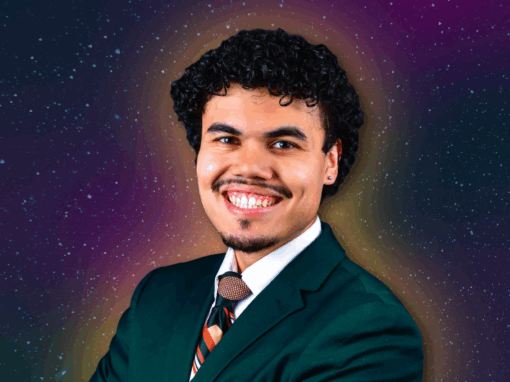
“If we want sustainable impact, we must form connections with one another by listening, creating community-led initiatives, and developing solutions through solidarity.”
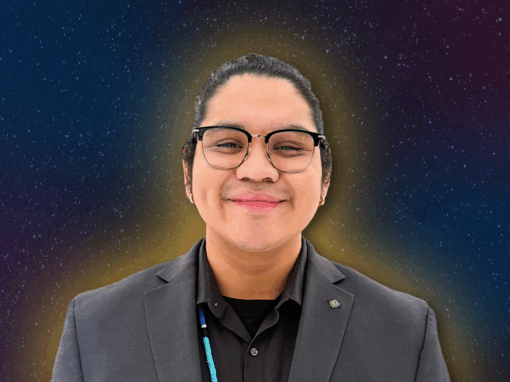
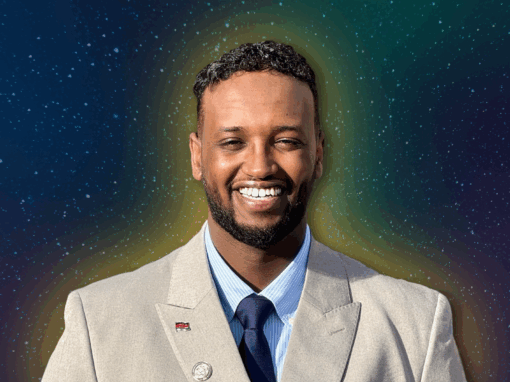
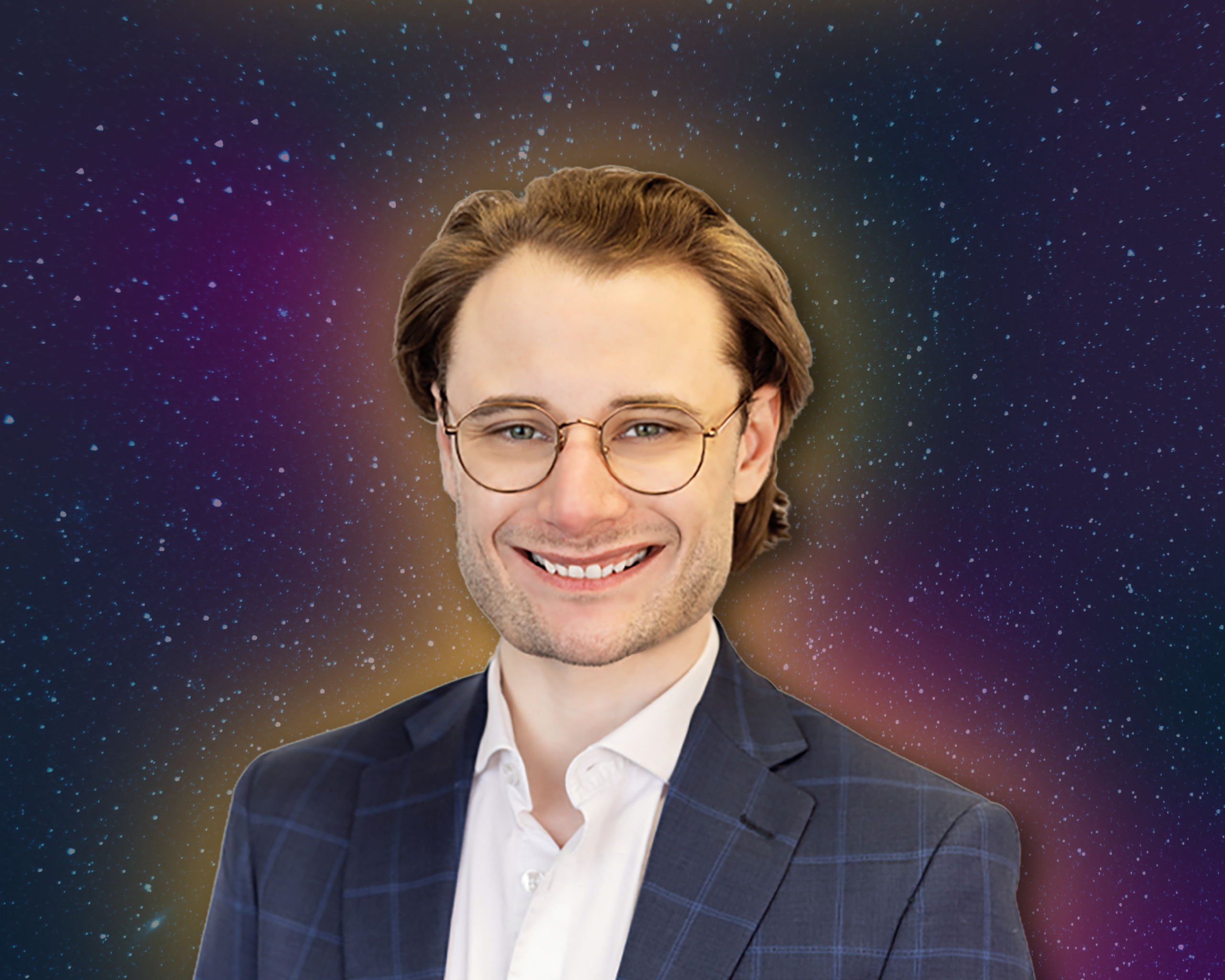
Joshua Hincks
TOP 30 UNDER 30 HONOUREE | 2026
About
PROFILE SNAPSHOT
AGE: 29
PRONOUNS: He/Him
HOMETOWN: Calgary, Alberta, Canada
CURRENT RESIDENCE: Calgary, Alberta, Canada
ORGANIZATIONS:
-
- Operation Eyesight Universal
- Maskwacis Education Schools Commission (MESC)
- Maskwacis Cree First Nation
- EvolutionEyes Mobile Optometry
- OneSight Essilor-Luxottica Foundation
GLOBAL IMPACT FOCUS (SDGs)
I am most passionate about:
What specific issue(s) are you working to address, and what motivates you to do so?
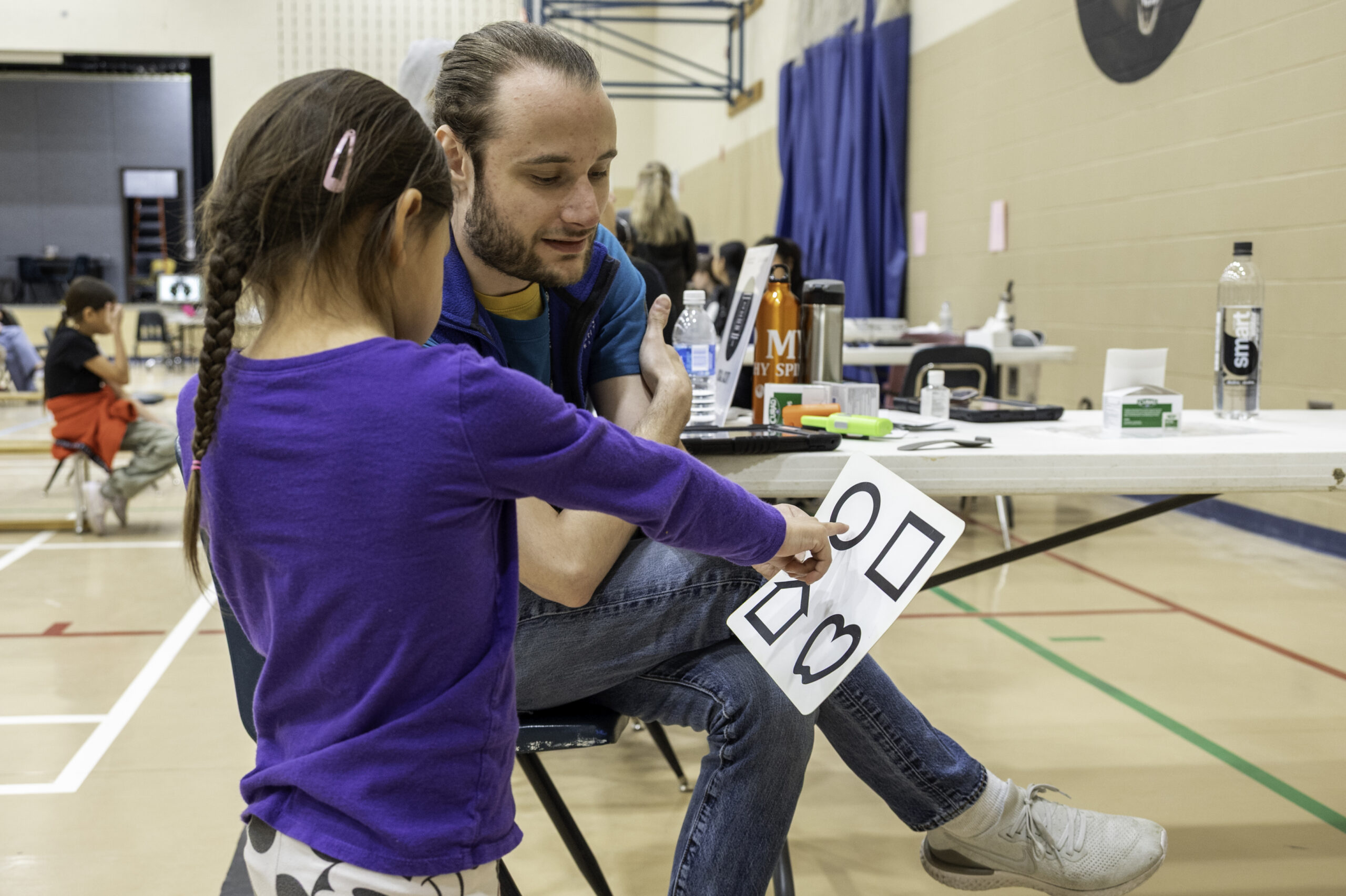
My current projects focus on providing eye health services to underserved populations within Canada, with a primary focus on working with rural and Indigenous communities. This work is done by working directly with and maintaining connections among other organizations and communities to develop plans that bring eye exams, eyeglasses, and eye health education. Plans are developed to deliver services in ways that are most appropriate for the people or community I’m working with. I then work with a service delivery partner, such as an optometrist, who delivers health services where there is a need. I’ve worked with various organizations, such as Trinity Place Foundation, Alpha House, and Trellis Society, which focus on providing free eye exams and eyeglasses to their permanent housing programs. Through this work, I’ve also formed connections with delivery partners that share these same motivations, such as EvolutionEyes (led by Dr. Trent Colberg) and the OneSight EssilorLuxottica Foundation.
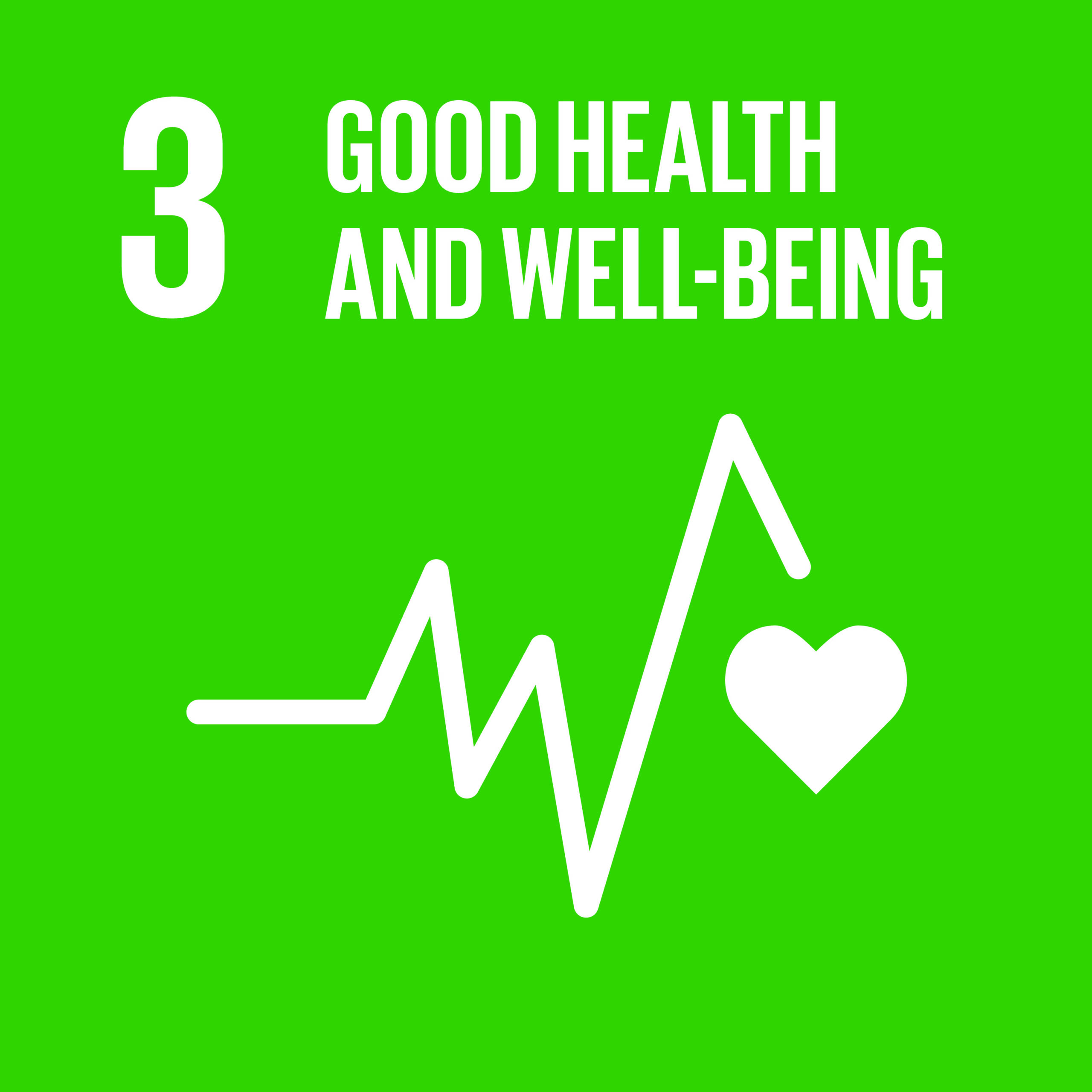
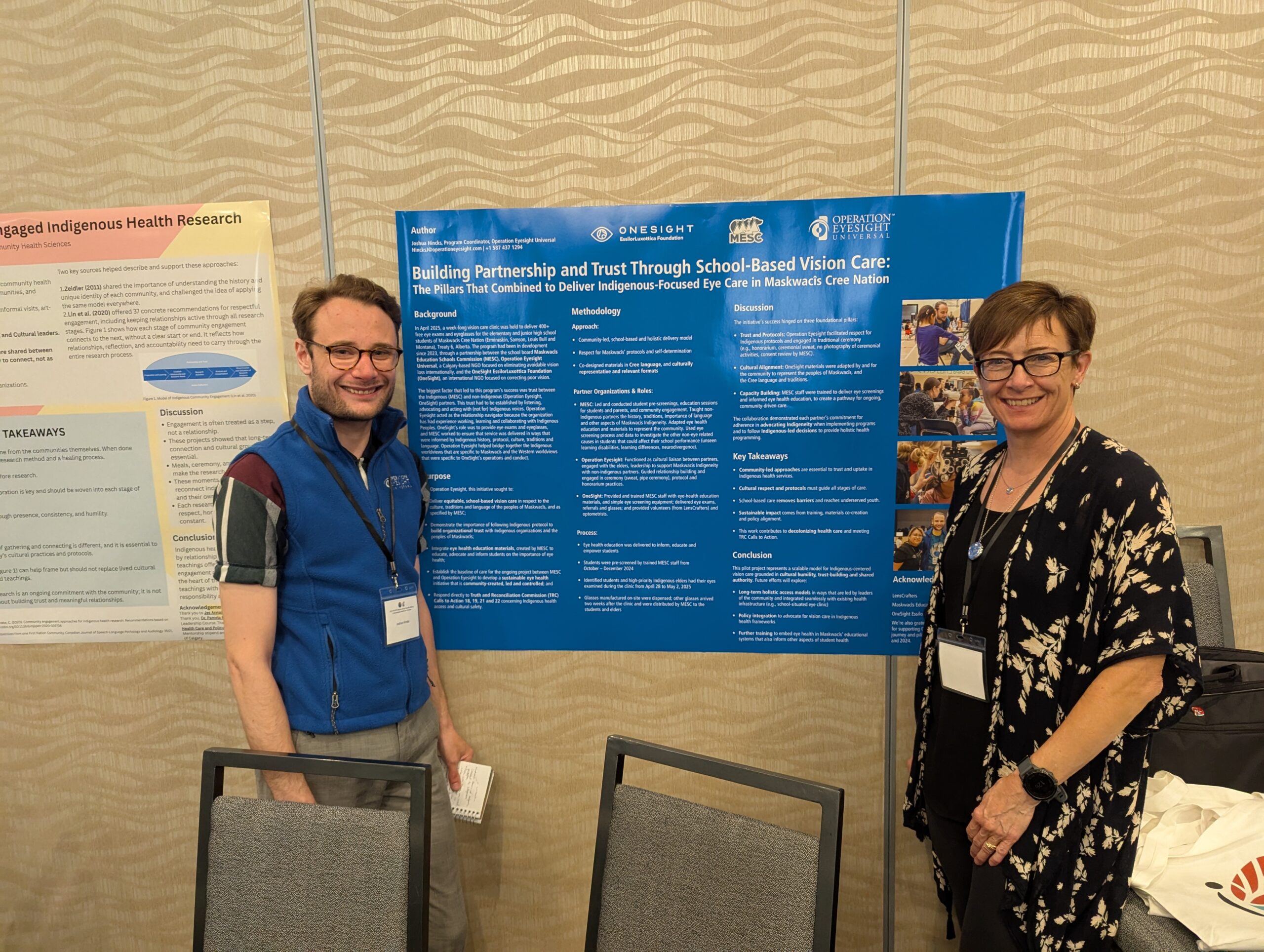
My work primarily focuses on SDG 3 (Good Health and Well-being); SDG 5 (Gender Equality); SDG 10 (Reduced Inequalities); SDG 11 (Sustainable Cities and Communities); and SDG 17 (Partnerships for the Goals). The project I’m most proud of had been in development for two years and culminated in an event that took place between April 28 and May 2, 2025, which is best read about here. I, alongside my colleagues at Operation Eyesight, worked to manage the relationships between Operation Eyesight, Maskwacis Education Schools Commission (MESC), and the OneSight EssilorLuxottica Foundation (OneSight) throughout those two years of development.
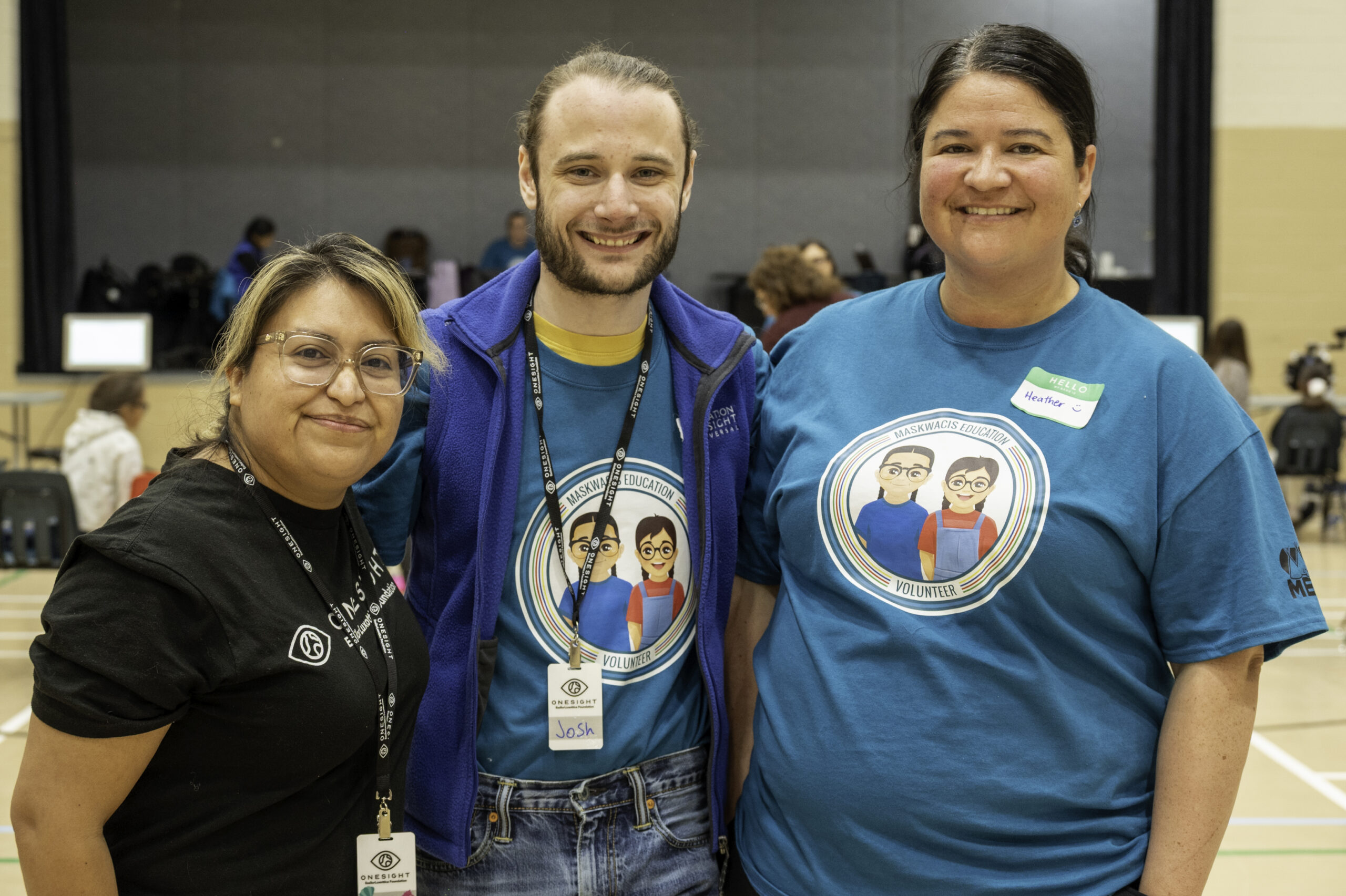
OneSight is primarily situated outside of Alberta, with operations in Ontario and Texas; as such, I acted as the direct, in-person connection who assessed, represented, and advocated for each partner’s needs and goals. In doing so, this meant advocating for the Indigenous voices of Maskwacis Cree Nation to non-Indigenous partners. MESC handled pre-screenings, community engagement initiatives, and the delivery of eye health education, while OneSight provided materials and served as the main service delivery partner. During program development, I travelled to Maskwacis multiple times to meet with MESC to discuss plans for the various activities that would take place before the week-long event in April/May. These discussions ranged from pre-screening results and community feedback to how the Cree language could be integrated into eye health education materials.
The most important of these visits came from speaking with Indigenous Elders and being shown the specific contexts and motivations that make up Maskwacis Indigeneity. My ultimate goal was to ensure that any impact brought to the community was done by listening to those voices and following advice from MESC. By following this practice, the culmination of the program led to the April/May event, which provided 424 eye exams and 364 pairs of eyeglasses for elementary school students of Maskwacis Cree First Nation.
What are the ways in which you curate connection?
A lot of my time working on building connections has been with Indigenous communities and identities. Listening to Elders, Indigenous Storytellers, and community members is by far the most important factor in curating connections between myself and those communities. What I’ve discovered in doing that is that my previous knowledge, experiences, and teachings (back when I was in University) had been informed primarily through the lens of Western worldviews. Realizing that, I knew that I had to adopt and embrace Indigenous worldviews when it came to fostering connections and developing solutions that can lead to impact. This meant engaging in proper Indigenous protocol, providing honorarium, engaging in ceremony, and acknowledging the effects of colonialism that have caused strife in various ways across the multitude of Indigenous identities and communities.
For example, organizational partnerships may be formed after signing a shared paper agreement or memorandum of understanding. But when doing work with Maskwacis Education Schools Commission (MESC), we had solidified each other’s commitment to programming through Ceremonial Sweat, alongside having a signed paper agreement. My individual passion is fulfilling those responsibilities that innately come with working with Indigenous communities. In saying that, I cannot directly speak for the Indigenous voices I’ve worked with on how well I balance their collective needs, but my passion is directly tied to ensuring that solutions are developed by consulting and listening to their voice and their community to form a shared vision. This is how I will continue to foster any future connection, whether they be Indigenous or not.
What role will connection play in your future work?
The connections that we make within our own local community, and our communities abroad – whether they are regional or international (or both) – are instrumental in finding programmatic alignment and communal solidarity. I believe that shared community alignment ensures that an immediate impact is made because solutions will be developed based on the needs of each party/community involved. From the perspective of working with Indigenous communities, this means being culturally respectful, creating programs that are primarily community-led and that increase the capacity of their members.
That is where lasting change is created, by finding methods and ways to increase the capacities of each other. Those methods can only be found by fostering strong relationships with others who embrace each other’s individual passions, but also unite to deliver on the collective needs, and fulfill the goals of the connection or partnership. Sustainable development will naturally follow, as long as the people involved in each connection assume a role, while also abiding by their responsibility to remain honest and committed to continued impact.
More Top 30s from 2026