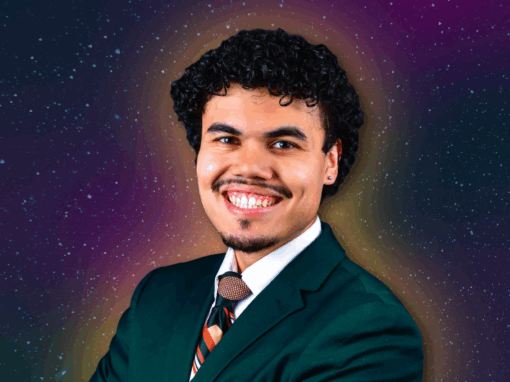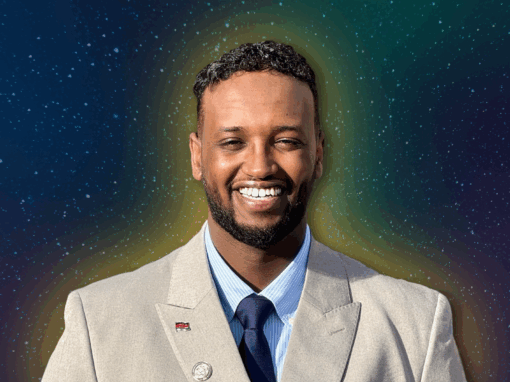
“Lasting change begins when we stop trying to fix communities and start trusting them to lead ”
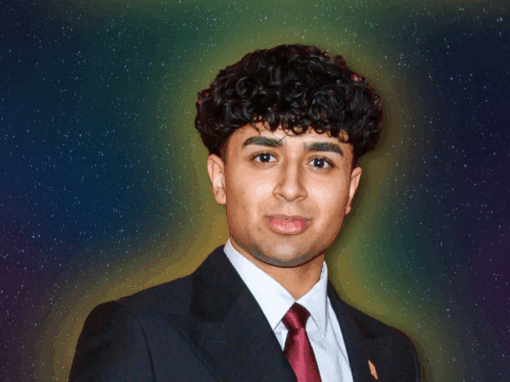
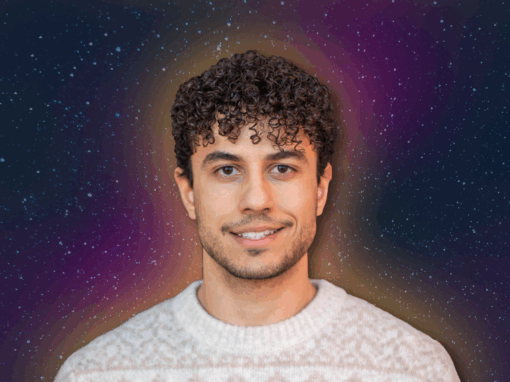
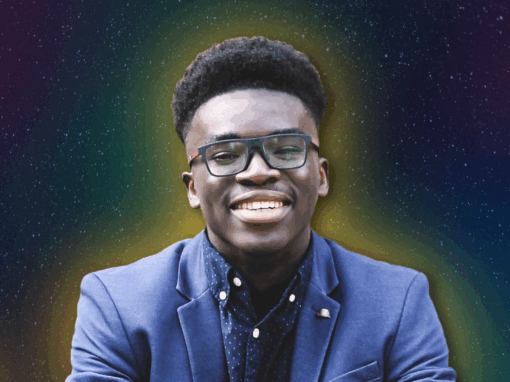
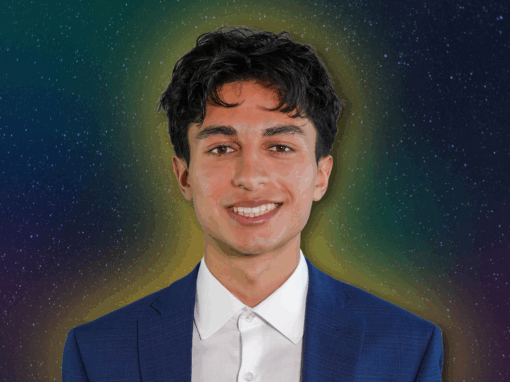
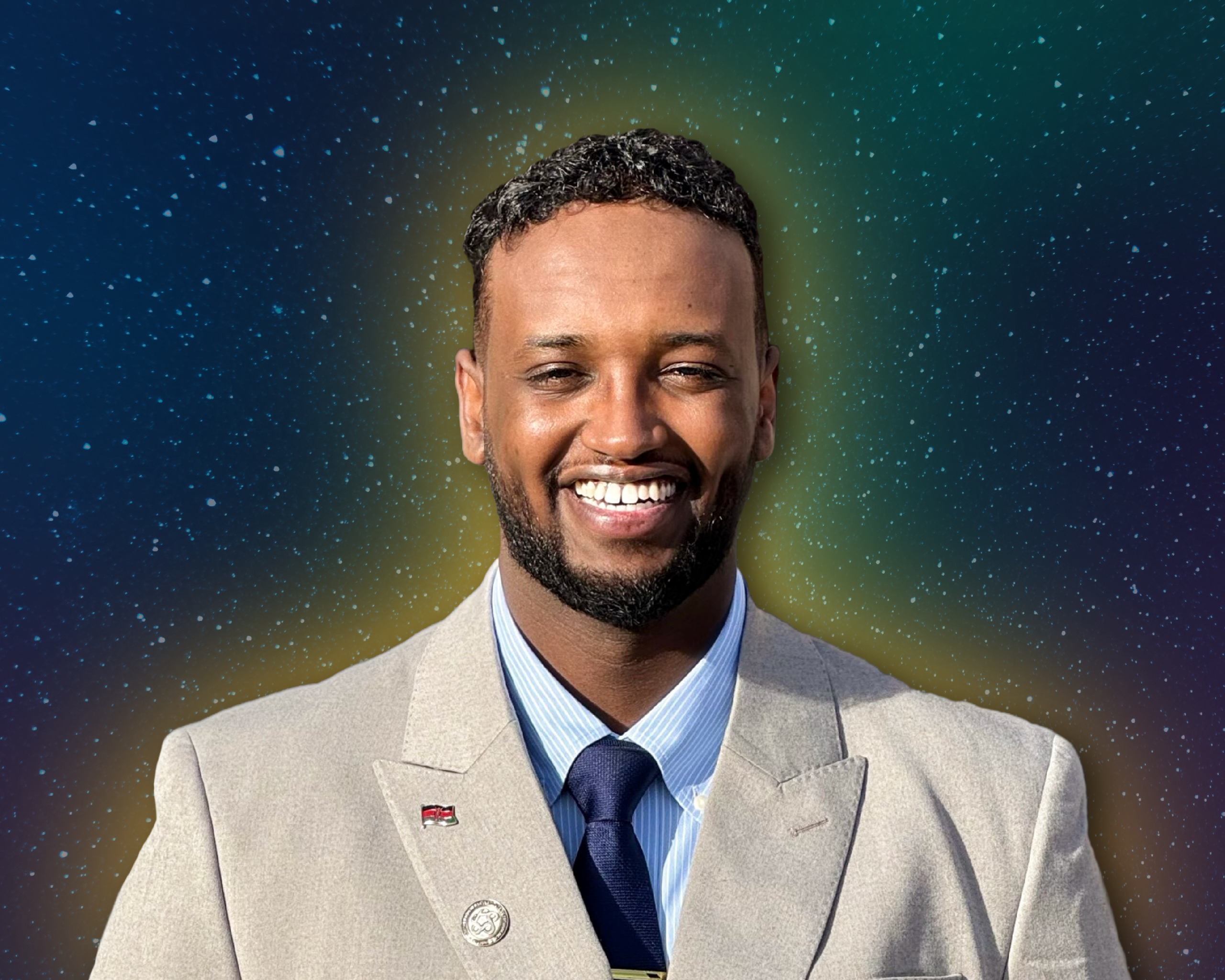
Hussein Siyad
Mohamed
TOP 30 UNDER 30 HONOUREE | 2026
About
PROFILE SNAPSHOT
AGE: 25
PRONOUNS: He/Him
HOMETOWN: Nairobi, Kenya
CURRENT RESIDENCE: Calgary, Alberta, Canada
ORGANIZATIONS:
- United Nations Association in Canada
- How To Change The World
- EDTerra Climate
- African Union Office of the Youth Envoy
GLOBAL IMPACT FOCUS (SDGs)
I am most passionate about:
What specific issue(s) are you working to address, and what motivates you to do so?
The issues I take on are rooted in lived experience: climate displacement, unequal access to education, and the exclusion of young people and newcomers from decision-making spaces that directly affect their lives.
I grew up in Northern Kenya in a pastoralist family whose livelihood depended on predictable rainfall. As droughts became more frequent and severe, my family was forced to move. That experience shaped my understanding of how fragile systems can be, and how deeply climate change intersects with education, inequality, and opportunity. Access to education later allowed me to rebuild, adapt, and imagine a different future. That is why my work consistently returns to one belief: education is the great equalizer, and connection is what turns knowledge into action.
My work focuses primarily on SDG 13 (Climate Action), SDG 4 (Quality Education), and SDG 10 (Reduced Inequalities).
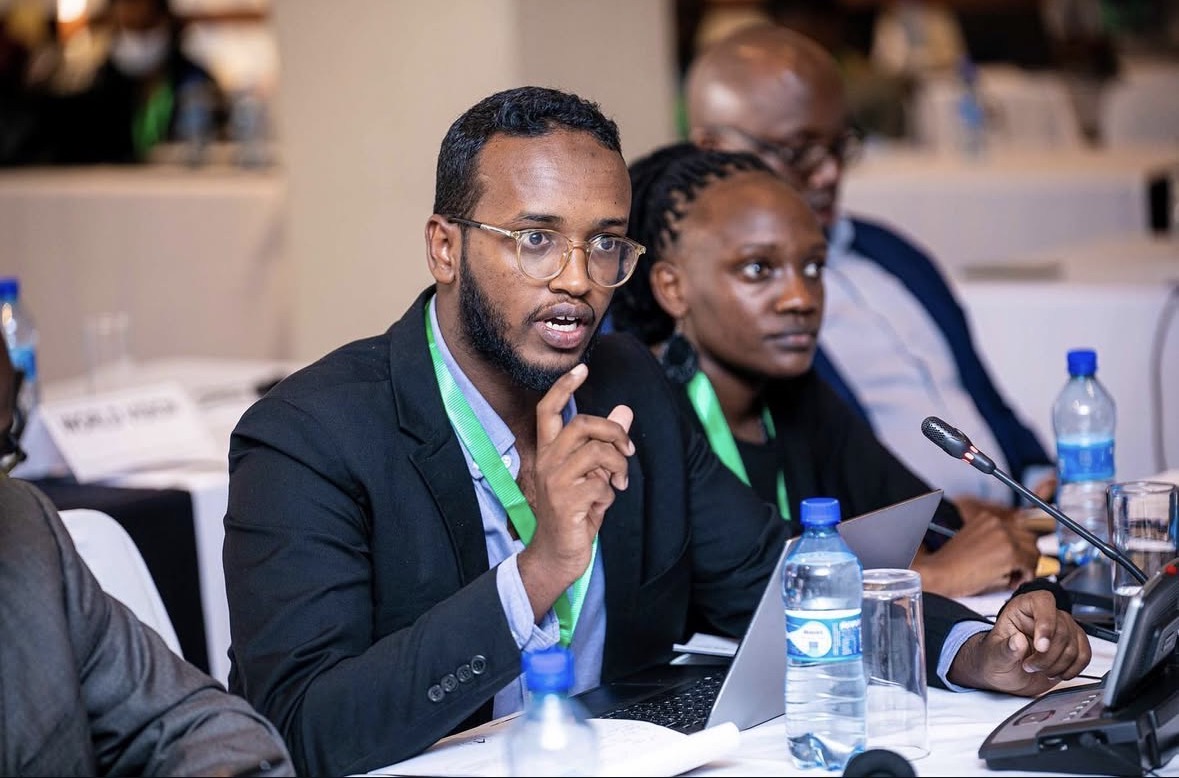
Internationally, I have worked to bridge the gap between young people and institutions. During my time with the African Union Office of the Youth Envoy, I contributed to youth engagement initiatives that centered young people’s lived realities and translated them into policy-relevant insights. This experience taught me the power of structured listening and the importance of ensuring that those most impacted are not only consulted, but meaningfully included.
Building on this, I founded EDTerra, a climate education and youth empowerment initiative that connects students and young professionals across Africa with mentors, experts, and collaborative learning spaces. EdTerra uses creative, solution-focused education to help young people understand climate change, design responses rooted in their communities, and build confidence in their ability to lead. At its core, EdTerra is about connection: between classrooms and experts, ideas and action, and local challenges and global conversations.
After moving to Alberta, I continued my commitment to climate education and youth leadership into local spaces. I mentor youth through the United Nations Association of Canada’s Eco-Clubs program, supporting young people as they develop environmental projects, leadership skills, and collaborative problem-solving abilities. I also serve on the teaching team for How to Change the World, helping youth translate global challenges into local action.
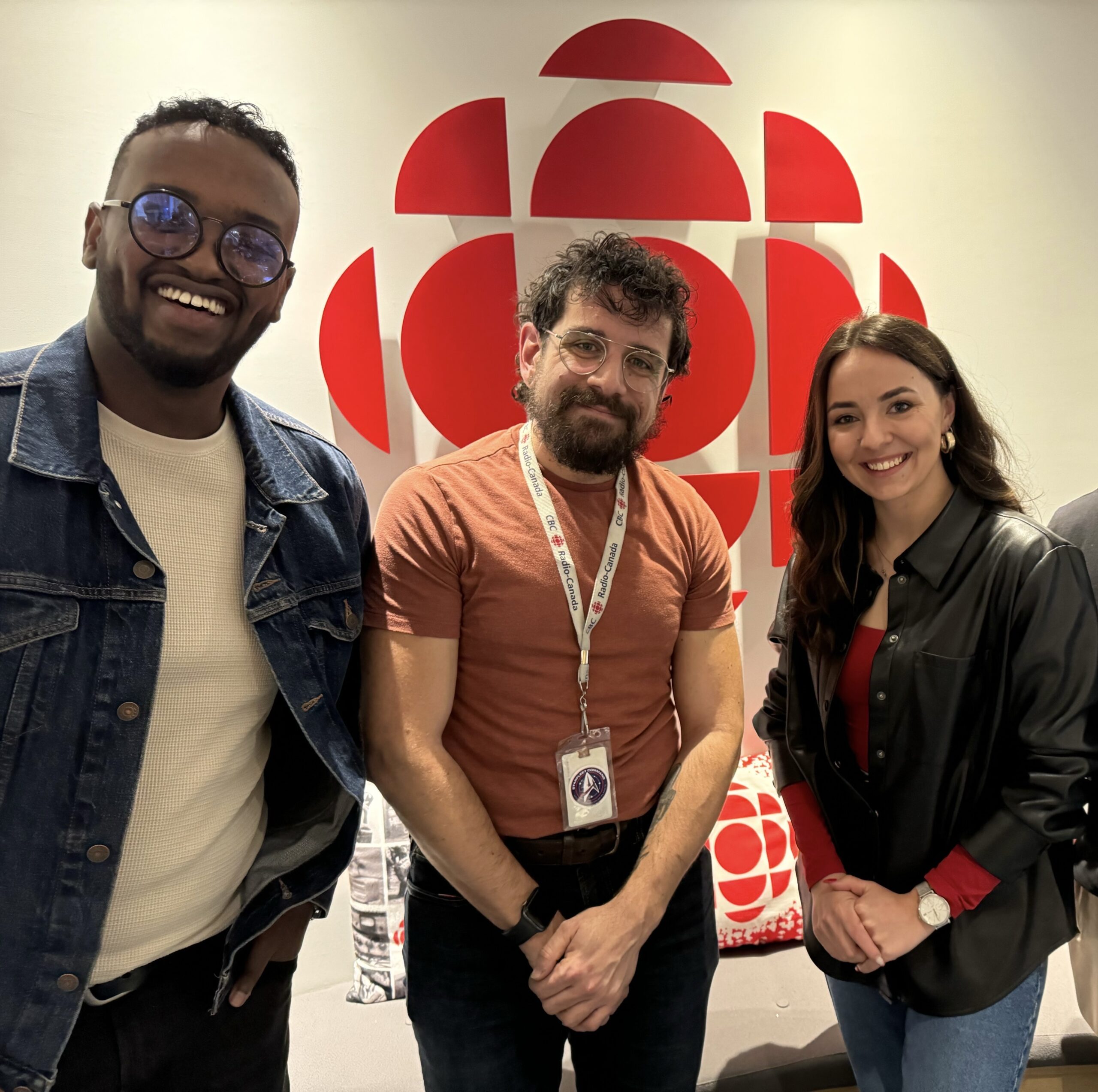
Alongside this, I use storytelling and public platforms to advocate for newcomer inclusion and better climate education. Through my appearance on CBC’s This is Calgary podcast and my social media work, I create space for honest conversations about belonging, community-building, and navigating life in a new place.
What motivates me is simple: I know what it feels like to be excluded from systems that shape your future. My work is about harnessing connections to ensure others are not. By linking people, ideas, and opportunities across borders and communities, I aim to create lasting change that is led by those most affected and sustained through shared ownership.
What are the ways in which you curate connection?
I curate connection by intentionally creating spaces where people who are often separated by systems, geography, or power can learn from one another and act together. My work is grounded in the belief that lasting change happens when those closest to an issue are connected to the tools, networks, and decision-makers that shape solutions.
Globally, this takes shape through EdTerra, where I connect African youth with educators, climate practitioners, and mentors through collaborative learning spaces and bootcamps. These spaces bring together students, teachers, and sustainability experts to co-design projects that respond to local climate challenges. Rather than positioning myself as an expert, I act as a bridge, facilitating relationships, translating ideas, and ensuring participants have the confidence and support to lead.
Locally in Alberta, I curate connection through mentorship and teaching. With the United Nations Association of Canada’s Eco-Clubs program, I support youth as they collaborate with peers, educators, and community stakeholders to design environmental initiatives. As part of the How to Change the World teaching team, I work alongside fellow educators and youth leaders to help young people turn global challenges into practical local action. I also engage newcomer communities by using storytelling and public platforms to spark conversations around belonging and inclusion.
Balancing individual passion with collective needs begins with listening. I co-create projects with the people involved, adapting goals based on their priorities and lived experiences rather than predetermined outcomes. One moment that deeply shaped my approach came during youth listening sessions in Africa, where I realized that young people did not need more solutions proposed for them, they needed access, trust, and space to lead. That insight transformed how I work. Today, I focus on creating connections that empower others to define the problem, shape the response, and own the impact.
What role will connection play in your future work?
Connection will be central to my future work because I believe development is not driven by resources alone, but by relationships. In my view, the role of connection in development work is to bridge gaps, between communities and institutions, knowledge and action, and local realities and global systems. Without strong, trust-based connections, even well-funded initiatives risk being disconnected from the people they are meant to serve.
To harness the power of connection for lasting change, we must prioritize relationships that are equitable, intentional, and long-term. This means connecting young people to mentors and decision-makers, communities to platforms where their experiences shape policy, and educators to real-world challenges beyond the classroom. The most meaningful connections are not transactional; they are built on listening, mutual respect, and shared ownership. These are the connections that allow solutions to be sustained long after a project ends.
In my future work, particularly through EdTerra and youth-focused education initiatives, I aim to strengthen ecosystems of collaboration rather than standalone programs. I want to connect students with practitioners, local ideas with global expertise, and emerging leaders with the confidence and networks to act. The best solutions are not imported or imposed, but developed from within communities and supported by wider systems.
I firmly believe that connection can drive the future of sustainable and inclusive development. When people are connected across disciplines, cultures, and generations, innovation becomes more grounded, equity becomes more attainable, and impact becomes more durable. Sustainable change happens when communities are not just recipients of development, but active partners, connected, informed, and empowered to lead their own futures.
More Top 30s from 2026