“If you want to go fast, go alone; but if you want to go far, go together.” – African Proverb
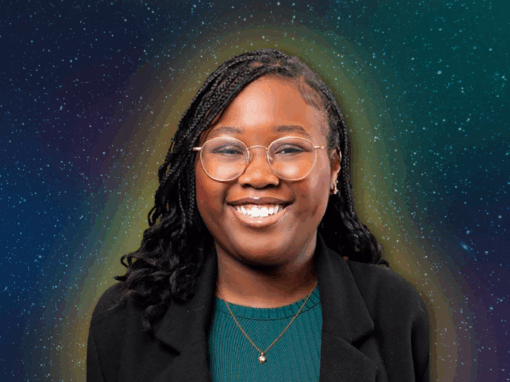
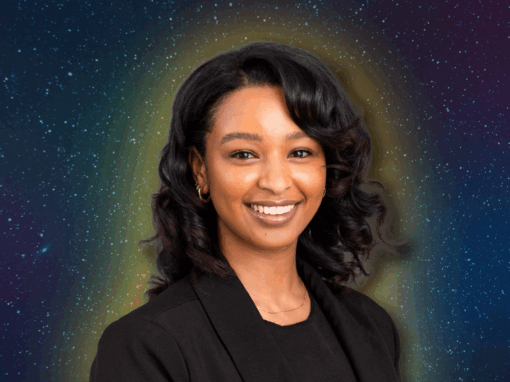
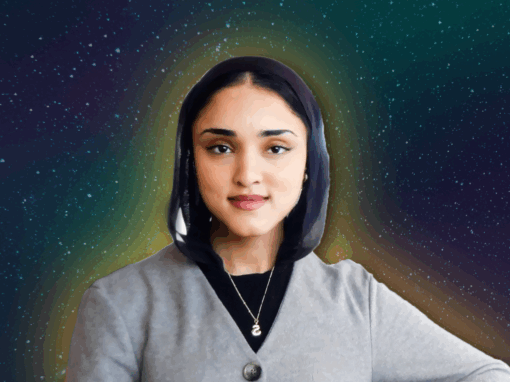
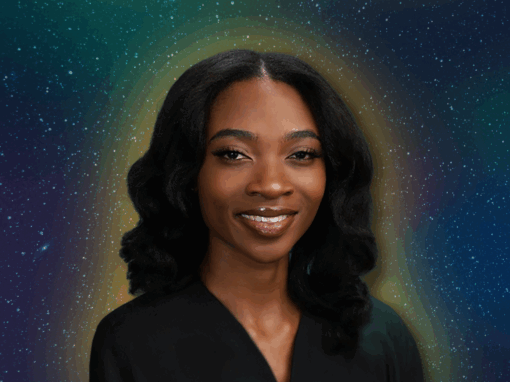
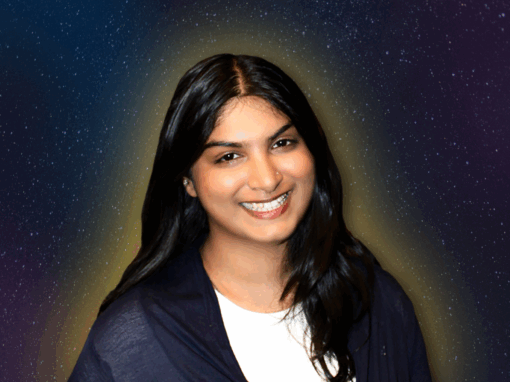
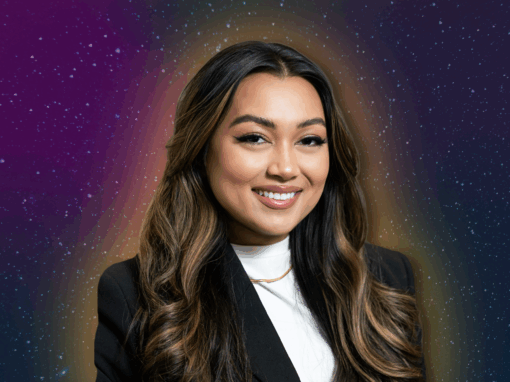
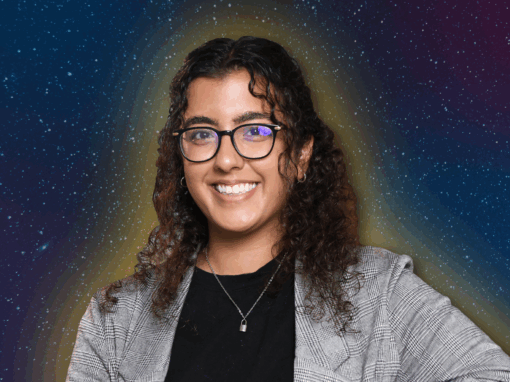
Bethel Abraham
TOP 30 UNDER 30 HONOUREE | 2026
About
PROFILE SNAPSHOT
AGE: 28
PRONOUNS: She/Her/Hers
HOMETOWN: Calgary, Alberta, Canada
CURRENT RESIDENCE: New York, NY
ORGANIZATIONS:
- The Rotary Foundation
- UNICEF Tanzania
- Applied Global Public Health Initiative
GLOBAL IMPACT FOCUS (SDGs)
I am most passionate about:
What specific issue(s) are you working to address, and what motivates you to do so?
Achieving health equity in my lifetime and advancing SDG 3: Good Health and Well-Being is the common thread across all my current and past work. I approach health as holistic and deeply shaped by social, political, and economic systems. As a result, my projects focus on addressing root causes of inequity through systems strengthening, community leadership, and dignity-centered care for women, children, and families..
Through my research with Yazidi refugees, I employed qualitative, people-centered methods to elevate refugee voices in shaping culturally responsive mental health care. This work emphasized trauma-informed, culturally grounded approaches that move beyond one-size-fits-all service delivery and ensure displaced communities actively inform the design of the mental health systems intended to serve them.
Internationally, I co-created SOAR: Solutions on Wheels for Adaptation and Resilience in Tanzania under the Ministry of Health, facilitating community focus groups in Mtoni Relini to identify locally driven solutions to waste management and sanitation challenges. By engaging residents in Kiswahili and working alongside local leaders and partners, I centered lived experience to inform behavior-change strategies that restored dignity, reduced environmental health risks, and strengthened community ownership of public health interventions. Across all contexts, I ensure communities are not research subjects, but co-architects of sustainable, equity-driven solutions, advancing SDG 3 (Good Health and Well-Being)and SDG 13 (Climate Action).
As a humanitarian, I developed Hope Drops, an investment case for the UN World Food Programme proposing the air-drop of therapeutic food to severely malnourished children in North Darfur, Sudan, amid conflict and supply blockades. This project addressed acute child malnutrition while exemplifying SDG 17 (Partnerships for the Goals) by mobilizing cross-sector collaboration in one of the world’s most constrained humanitarian settings.
My commitment to equity also extends to long-term, community-based work in Canada. Since 2019, I have led and supported programs for neurodiverse children and their families, helping them navigate complex funding systems, advocating for inclusive education, and connecting them to community-based care. I convened cross-sector partners, including libraries, healthcare professionals, and policymakers to host public dialogues on autism and ADHD, increasing awareness and access to resources.
In 2024, I launched the Summer Reading Scholars Program in Calgary to improve literacy and social engagement through culturally responsive education. I expanded access by coordinating free virtual tutoring from New York, connecting volunteer mentors with families who otherwise could not afford academic support.
What motivates me is the conviction that equity is achieved through systems change grounded in community leadership. Across all my work, I advance people-centered solutions that address the social determinants of health and empower communities to shape their own futures.
What are the ways in which you curate connection?
“Why me?” he asked,
a flicker of pride dancing across his face,
honored that we had come
to ask about his and his community’s needs.
— Health Officer of Relini in Mtoni Ward
With that humble comment, he left me bewildered.
I began to wonder if this kind of engagement was rare.
If he had grown accustomed to interventions that simply intervene
projects that arrive fully formed,
interject themselves,
and leave without unfolding in harmony with the people they claim to serve.
That Saturday, June 14th, felt like a moment of being seen
for the Health Officer, for his community,
and for me,
a quiet reframing of where “impactful” public health takes place:
not in headquarters or conference rooms,
but in informal settlements,
in conversation.
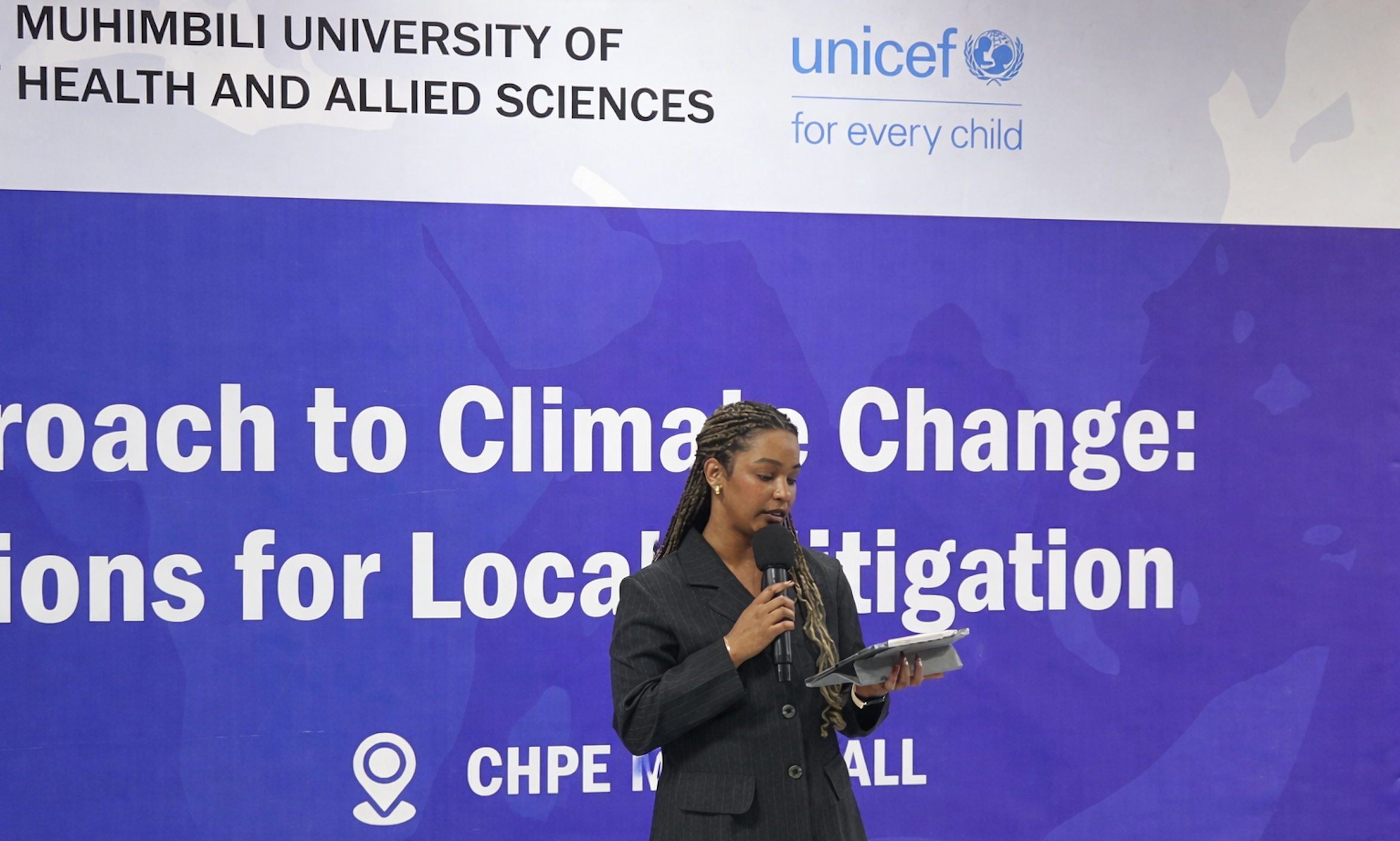
Participating in A Systems Approach to Climate Change in Dar es Salaam was life-altering. Concepts like people-centered, sustainable, and systems-thinking were stripped of abstraction. I learned that disregarding these principles means disregarding people.
The work itself was collaborative by design. Community members, local health officers, municipal leaders, UNICEF and Ministry of Health partners, faculty, and a multidisciplinary student team shaped every step. Each brought a different kind of expertise, and none were sufficient alone. My role was not to arrive with answers, but to listen, facilitating dialogue in Kiswahili and allowing community priorities to lead.
What transformed me was realizing that what we came to “intervene” on was not what was needed most. We had centered malaria in our systems map, but the community spoke urgently about waste, solid waste, liquid waste, latrine emptying. Listening dismantled my certainty. My fear of getting it wrong shifted into a commitment.
Connection, I now understand, is the foundation of meaningful development. It builds trust, centers dignity, and allows communities to become co-architects of change. Sustainable futures are built not just through solutions, but through relationships.
More Top 30s from 2026