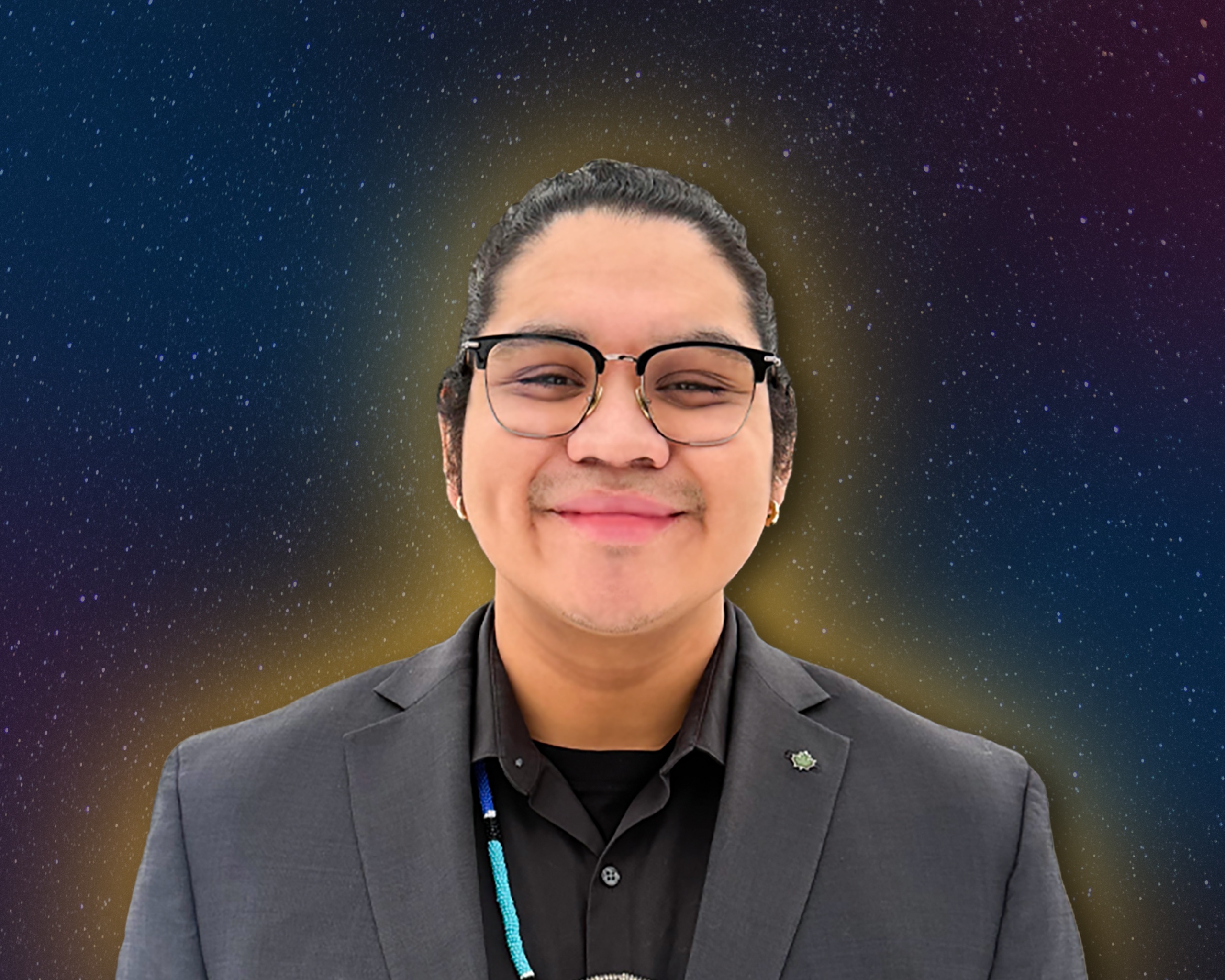
“ Mistakes are not failures when met with honesty, respect, and a willingness to learn. ”
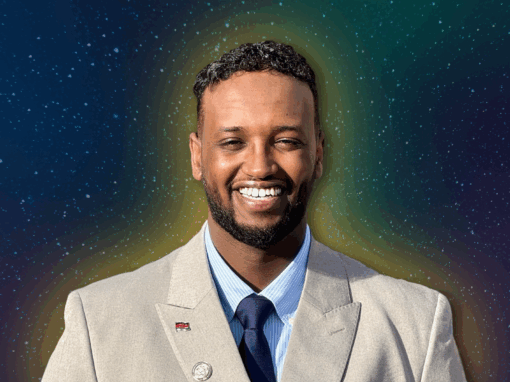
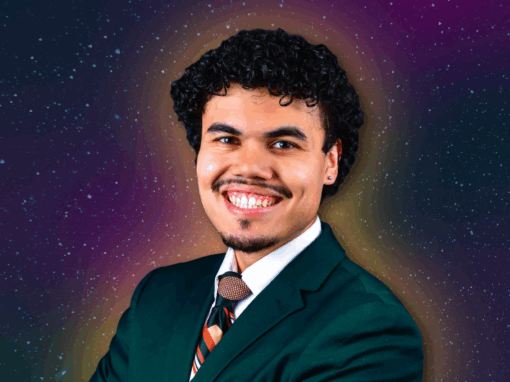
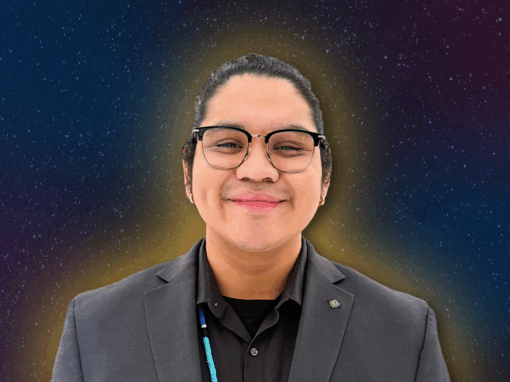
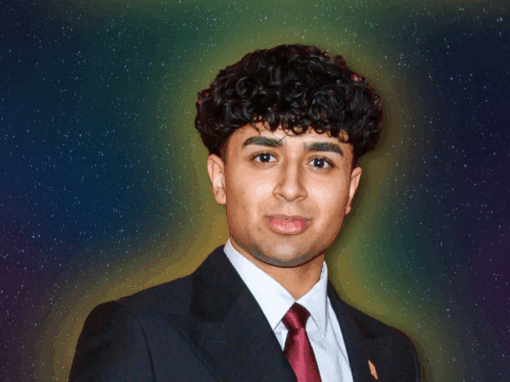
Avery Kewistep
TOP 30 UNDER 30 HONOUREE | 2026
About
PROFILE SNAPSHOT
AGE: 28
PRONOUNS: He/Him
HOMETOWN: Saskatoon, Saskatchewan, Canada
CURRENT RESIDENCE: Edmonton, Alberta, Canada
ORGANIZATIONS:
- Government of Alberta, Ministry of Indigenous Relations
- Fishing Lake First Nation
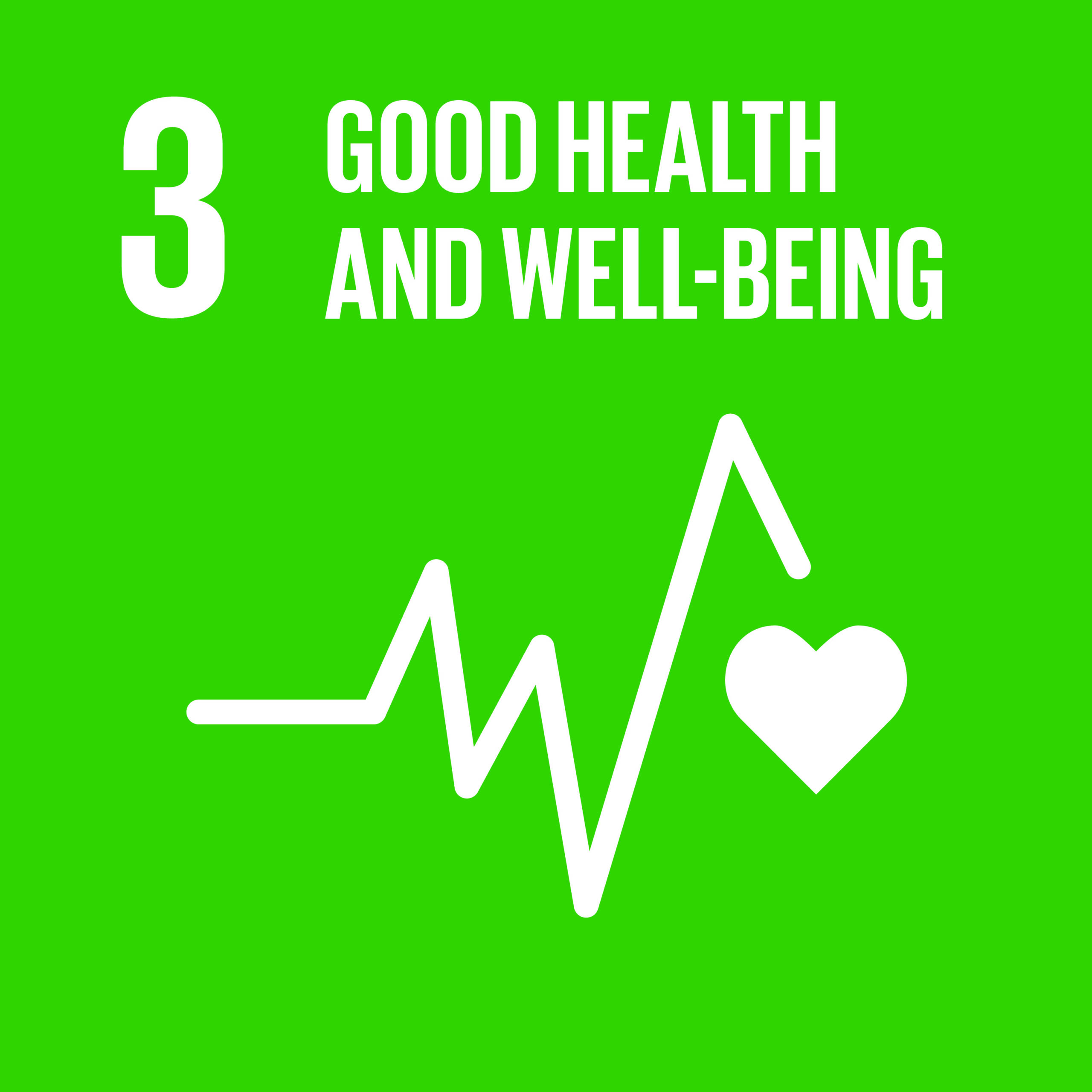
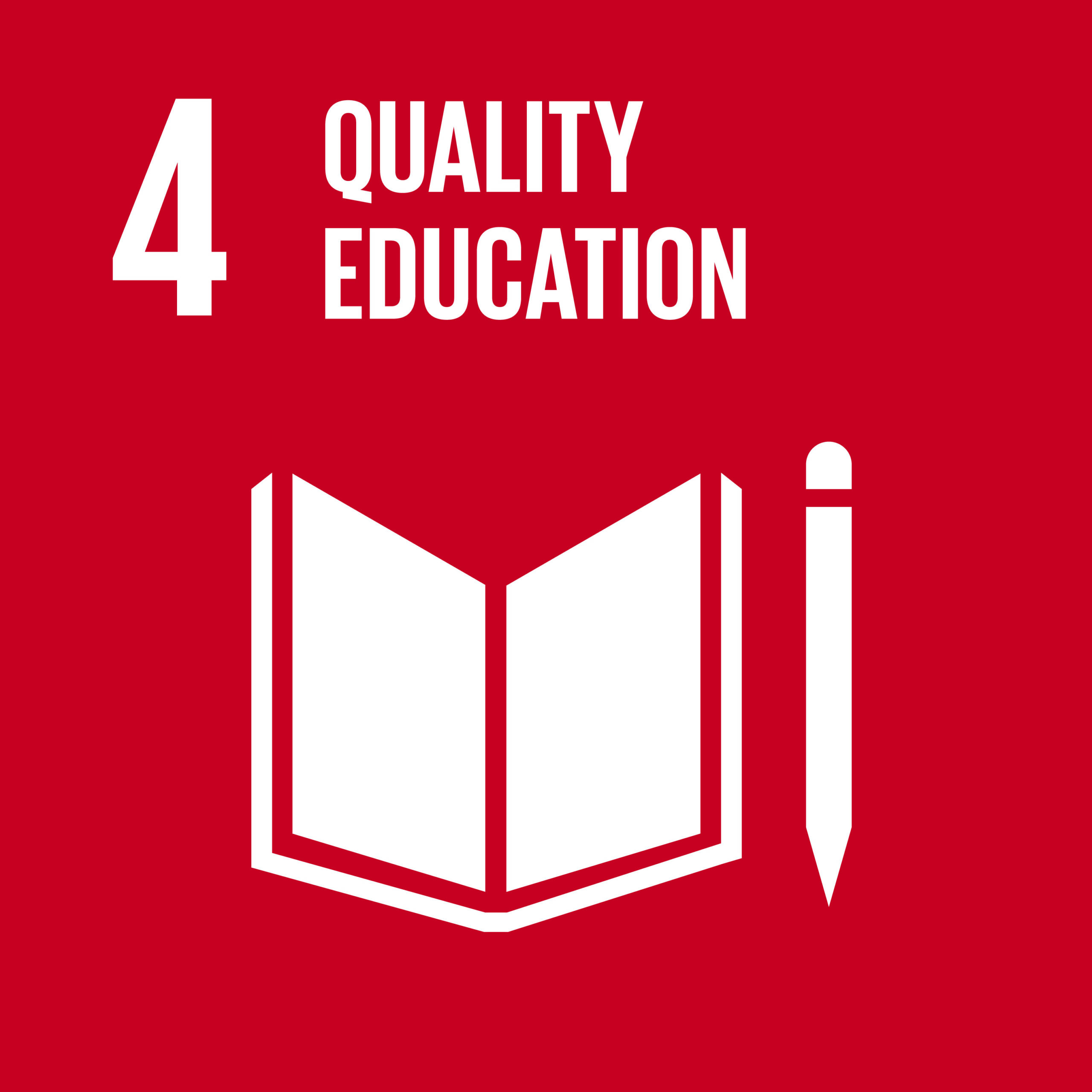
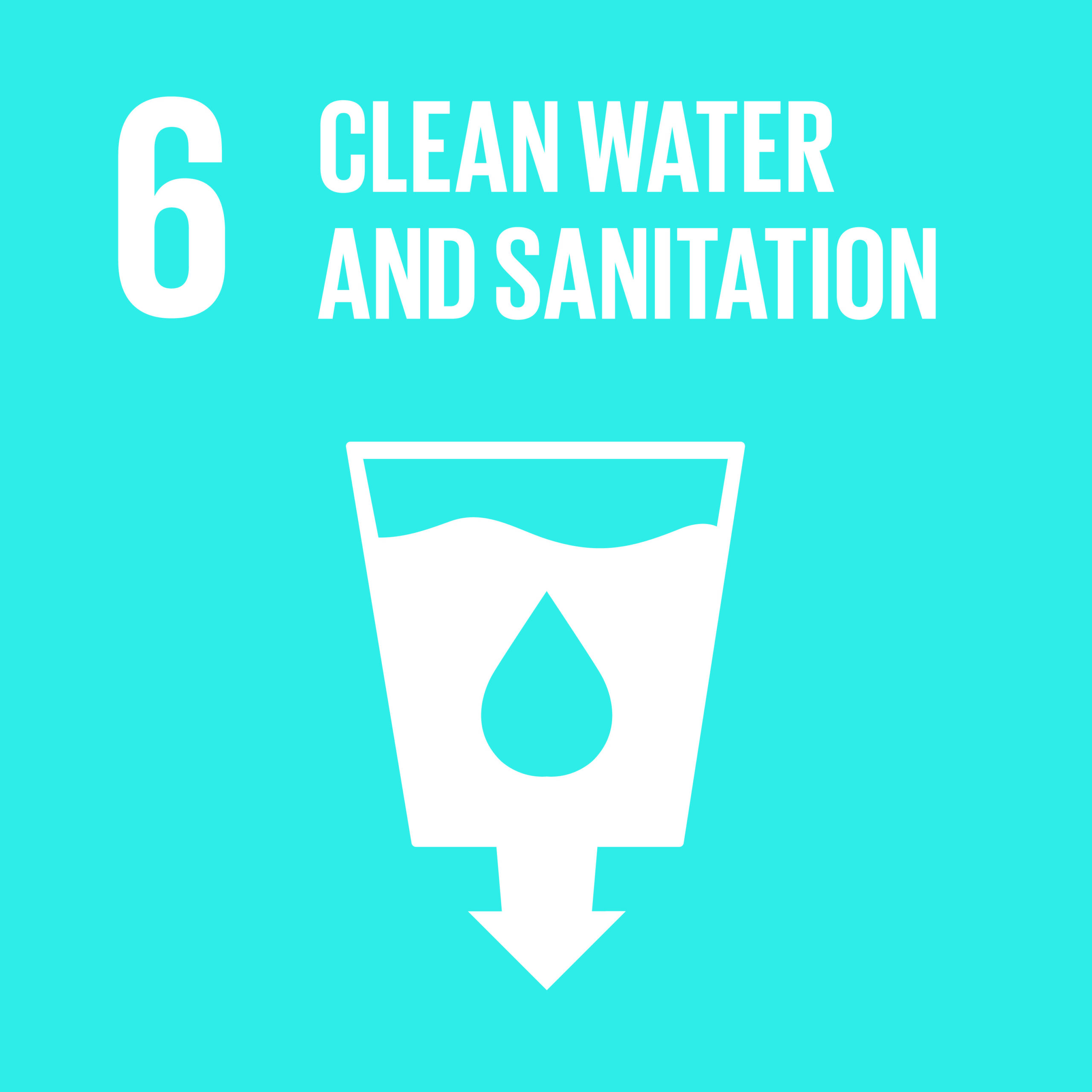
GLOBAL IMPACT FOCUS (SDGs)
I am most passionate about:
What specific issue(s) are you working to address, and what motivates you to do so?
I am part of the first generation in my family not to have attended a Residential School. This reality carries both responsibility and possibility. It has shaped how I understand identity, leadership, and the role Indigenous peoples can and must play in shaping the systems that affect our lives. Through learning from my grandfather, my parents, and other Knowledge Keepers, I have been grounded in the importance of listening, humility, and carrying teachings forward in a good way.
The central issue I am committed to addressing is the meaningful inclusion of Indigenous peoples within Canadian institutions, particularly in decision making spaces that shape policy, economic opportunity, and community well being. For me, reconciliation must continue to move beyond intention toward tangible systemic change. This includes equitable access to opportunities, representation at decision tables, and institutional accountability that supports Indigenous peoples not only to enter these systems, but to thrive and lead within them.
In my current role with the Government of Alberta through the Alberta Indigenous Internship Program, I support Indigenous post secondary graduates as they transition into the public service. My work focuses on program development, stakeholder engagement, and continuous improvement to ensure Indigenous interns are supported both professionally and holistically. This includes advocating for culturally informed hiring practices, mentorship, and workplace environments where Indigenous voices are respected, retained, and able to influence outcomes.
What motivates this work is witnessing the impact that representation can have. When Indigenous youth see themselves reflected in institutions of power, it opens pathways of possibility and belonging. My experience working across provincial governments and First Nations governance institutions has shown me that lasting change is built when policy is informed by lived experience, community knowledge, and respectful relationships.
This work aligns with several Sustainable Development Goals, including SDG 5 Gender Equality through advancing equitable participation, SDG 8 Decent Work and Economic Growth by supporting meaningful employment pathways, SDG 10 Reduced Inequalities by addressing systemic barriers within public institutions, and SDG 16 Peace, Justice and Strong Institutions by strengthening inclusive governance.
What are the ways in which you curate connection?
I curate connection through curiosity, openness, and a commitment to listening before acting. In both my professional and personal life, I seek to build relationships grounded in trust, respect, and accountability. Connection, to me, is not transactional. It is relational and requires time, consistency, and care.
In my current role, I work closely with post secondary institutions, Indigenous communities, government partners, Elders, and community organizations to connect Indigenous graduates with opportunities in the public service and beyond. These relationships support Indigenous youth as they navigate education, employment, and leadership pathways. I prioritize clear communication, follow through, and adapting my approach based on the needs and voices of those I work with.
When engaging with communities, I understand my role as a helper rather than an expert. I balance my individual passion with collective needs by listening deeply, remaining humble, and holding myself accountable to the people and teachings that guide me. This approach allows collaboration to be shaped by community priorities rather than imposed solutions.
A transformative moment for me occurred while learning during ceremony with Knowledge Keepers. When I struggled with certain practices, I was reminded that asking questions with good intentions allows space for growth, correction, and deeper connection. This teaching reshaped how I approach collaboration. I learned that mistakes are not failures when met with honesty, respect, and a willingness to learn. This continues to inform how I build relationships rooted in reciprocity and care.
What role will connection play in your future work?
Connection will remain central to my future work because meaningful change cannot happen in isolation. In reconciliation and development, connection is the foundation upon which trust is built, knowledge is shared, and solutions are shaped by the people they are meant to serve. Without strong relationships, development risks becoming performative rather than transformative.
Harnessing the power of connection requires relationships grounded in kindness, accountability, and mutual respect. It means creating space for dialogue across generations, cultures, and lived experiences, and valuing Indigenous community-based knowledge alongside formal education and institutional expertise. The most impactful connections are reciprocal, where learning flows in all directions and responsibility is shared.
In my future work, I aim to continue centring relationship building, listening, and collaboration. By supporting spaces where voices inform action, connection can drive sustainable and inclusive development. When grounded in empathy and responsibility, connection becomes a powerful force for reconciliation, collective care, and lasting change for present and future generations.
More Top 30s from 2026