
“ Creating change starts with care – for ourselves, our communities, and generations yet to come. ”
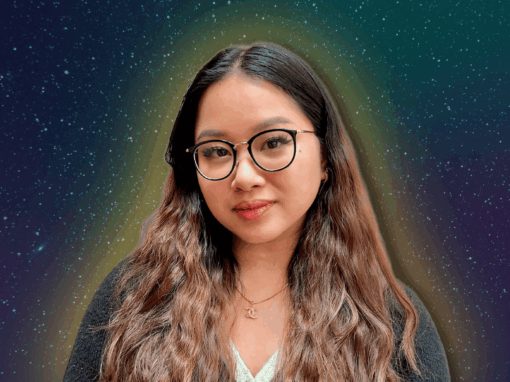
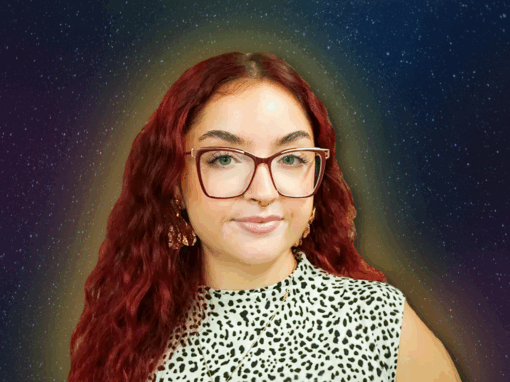
Aubrianna Snow
TOP 30 UNDER 30 HONOUREE | 2026
About
PROFILE SNAPSHOT
AGE: 27
PRONOUNS: She/Her
HOMETOWN: Glovertown, NL, Canada
CURRENT RESIDENCE: Edmonton, Alberta, Canada
ORGANIZATIONS:
- University of Alberta
- The Courage to Act Foundation
- Indigenous Youth Roots
- The Writers’ Guild of Alberta
GLOBAL IMPACT FOCUS (SDGs)
I am most passionate about:
What specific issue(s) are you working to address, and what motivates you to do so?
I am working to address issues related to gender equality and education, with a particular focus on global citizenship and collective understandings of history. My work aligns directly with Sustainable Development Goals 4, 5, and 16. I currently work full-time as a Project Manager at the Courage to Act Foundation, where I support collective learning and institutional progress aimed at addressing sexual harassment in science, technology, engineering, and mathematics (STEM) learning environments. I am also an avid writer and podcaster on issues related to equity and violence prevention.
Prior to my current role, I worked with Possibility Seeds in both volunteer and professional capacities, contributing to the development of toolkits and resources designed to address and prevent sexual and gender-based violence on post-secondary campuses across Canada. My work has consistently centered on helping institutions move toward meaningful, structural change and equipping individuals with the tools to identify and challenge both systemic and interpersonal forms of oppression.
Issues of gender equality, education, and institutional equity have deeply shaped my own experiences, and I have seen firsthand the power young people have to create change in these spaces. I served for several years as a student union leader and have applied that knowledge in various gender justice settings, including at Oxfam Canada’s Youth Summit in 2023. During my second term as Vice President Student Life at the Students’ Association of MacEwan University (2020–2021), I founded and chaired a student committee focused on institutional-level advocacy related to violence prevention. This committee worked to elevate student voices and push for accountability within university systems.
Earlier in my advocacy work, I served as a MAVEN Peer Educator on Consent with MacEwan University’s Office of Sexual Violence Prevention, Education, & Response. In this role, I delivered dozens of consent awareness presentations across campus, engaging directly with students in classrooms and student spaces. This experience solidified my belief that meaningful change often begins at the peer-to-peer level, where difficult conversations can be had with care and trust. Together, these experiences have sustained me in my work to address gender equity and education. I am driven by the belief that safer and more equitable institutions are possible when young people are equipped with the tools to challenge harm and imagine alternatives, both within their communities and on a global scale.
What are the ways in which you curate connection?
I curate connection primarily through my podcasting and writing, which I approach as tools for public education and community-building around social justice issues. I work to create spaces where people can explore complex issues with care and feel less isolated in their experiences.
Using media as a platform serves to foster connection across geographic and social boundaries, both locally and globally.
This work is inherently collaborative and involves those with lived experience whose stories are shared; diverse, global audiences who engage with the work; editors and creative collaborators; and funders and community organizations that support accessible, public-facing education. In working with communities and individuals, I prioritize care, consent, and accessibility. Podcast guests and interviewees receive questions in advance and are empowered to decline topics or pause conversations at any time. When releasing work that addresses potentially triggering material, I provide content notices and share information about relevant support resources. I am intentional about centering lived experience over my own voice and remain responsive to feedback from participants and audiences.
During my undergraduate journalism training, I interviewed someone who had just experienced a house fire. Listening to their reflections on the timing and impact of media coverage challenged my assumptions about journalistic urgency and reshaped my understanding of ethical storytelling. That experience played a significant role in my decision to move away from breaking news journalism and toward work that values care and meaningful connection over speed. Today, I measure the success of my work by how well it contributes to collective understanding and community care.
What role will connection play in your future work?
Connection plays a critical role in all of my work, and I see this as deeply aligned with broader efforts toward collective well-being. To adequately understand and address community needs, connection and clear communication are not just the first place to start, but absolutely essential at every stage of a project.
The kind of connection needed to create meaningful impact and lasting change is rooted in ongoing, reciprocal relationships between institutions and communities, as well as practitioners and those with lived experience. Without focusing on connection, we risk reproducing the same systems that have contributed to long-term harm and inequities. The work I do has to begin with deep cultural competency and an understanding of the principles of relationality. By rooting my work in relationship and shared learning, I hope to build positive change that’s both mutual and sustainable.
More Top 30s from 2026