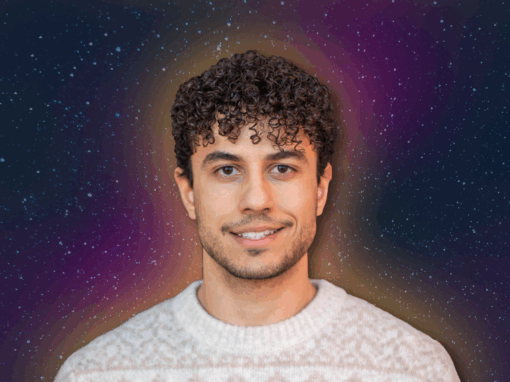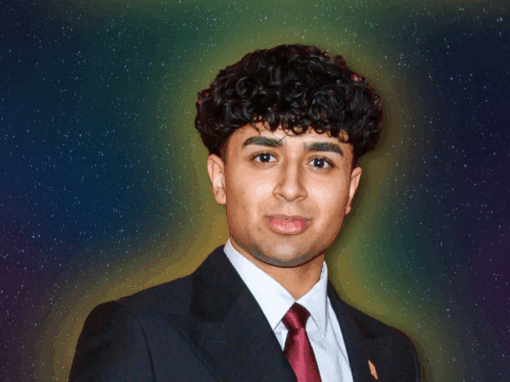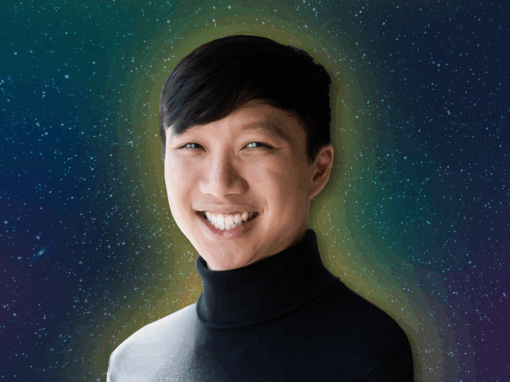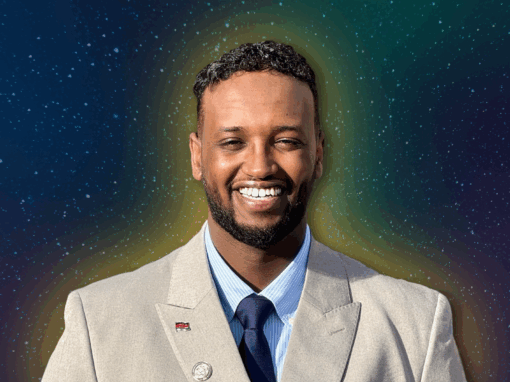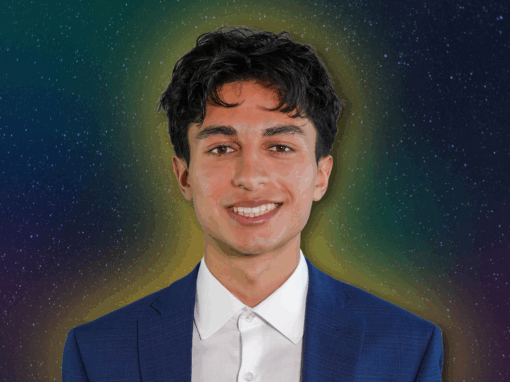
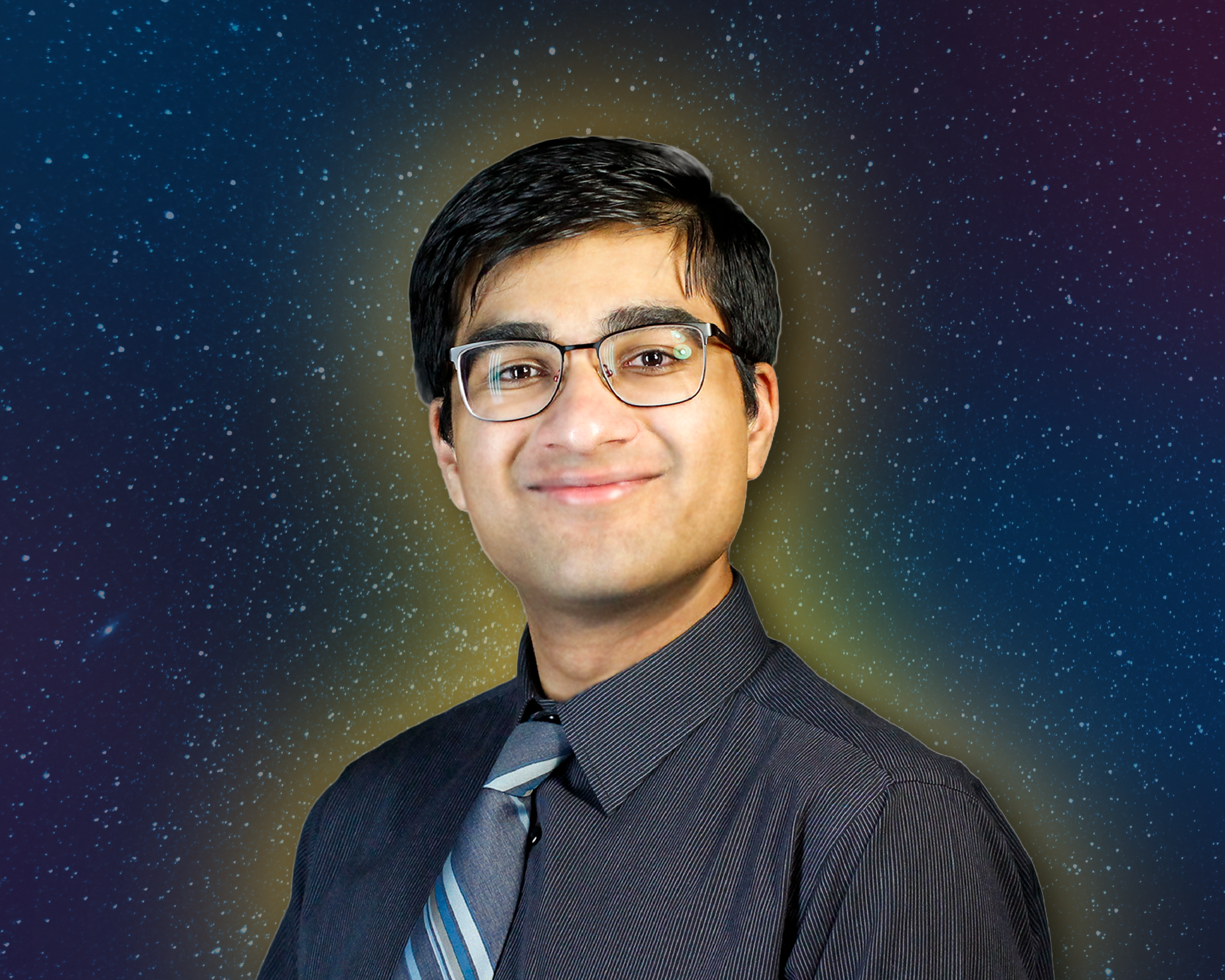
“It is imperative that we become fluent in the literacy of kindness”
Areeb Qayyum
TOP 30 UNDER 30 HONOUREE | 2026
About
PROFILE SNAPSHOT
AGE: 26
PRONOUNS: He/Him
HOMETOWN: Calgary, Alberta, Canada
CURRENT RESIDENCE: Calgary, Alberta, Canada
ORGANIZATIONS:
-
- University of Calgary – Precision Health Program
- University of Calgary – Cumming School of Medicine
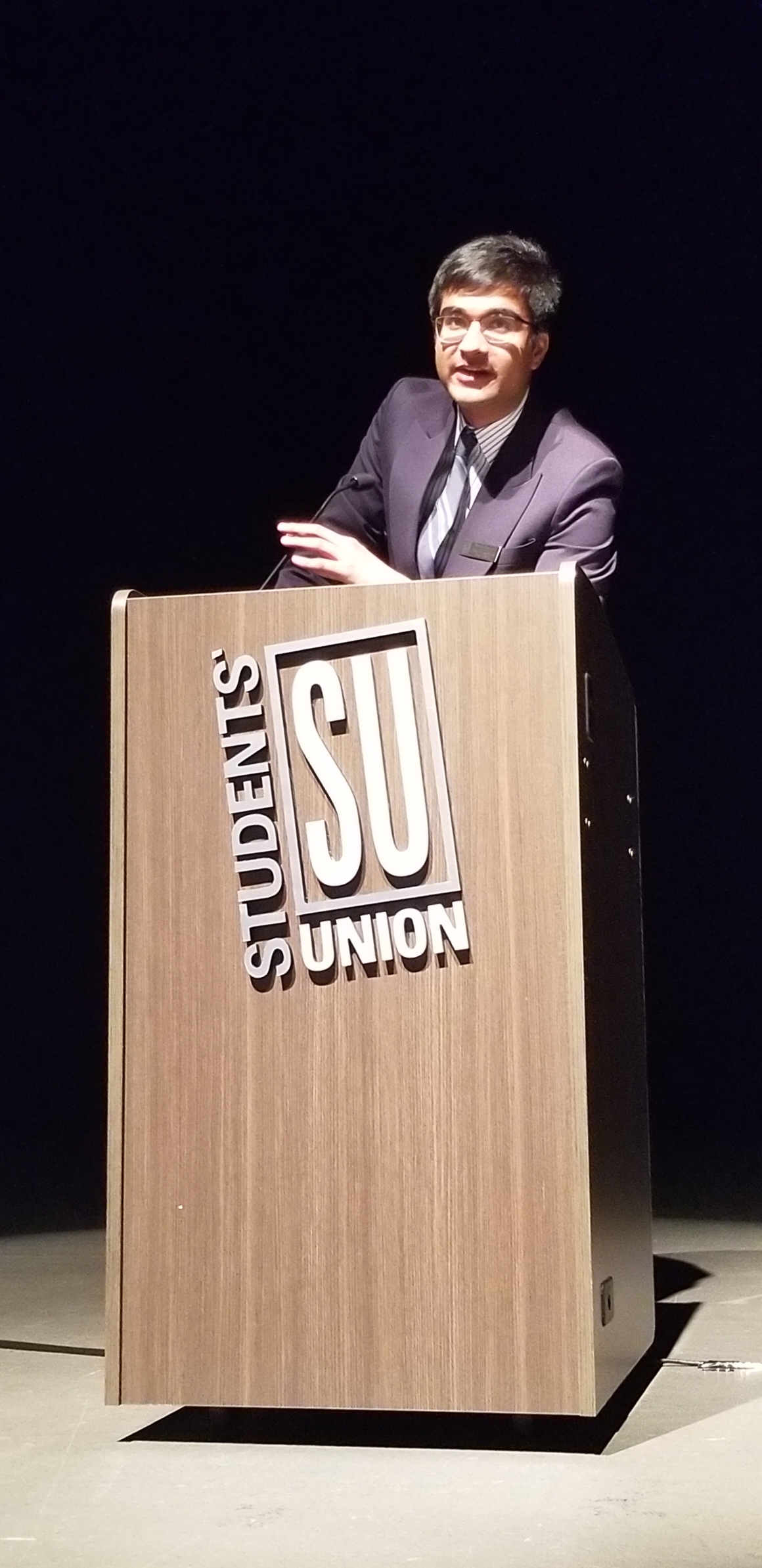
- University of Calgary Students’ Union
- Alberta Children’s Hospital Research Institute (ACHRI)
- Pediatric Emergency Medicine Research Associates Program (PEMRAP)
- Checkmate Foundation Canada
GLOBAL IMPACT FOCUS (SDGs)
I am most passionate about:
What specific issue(s) are you working to address, and what motivates you to do so?
As a clinical research coordinator and educator, my projects largely surround SDG 3: Good Health and Well-being as well as SDG 4: Quality Education.
As a research coordinator, I manage investigator-initiated research projects at the Foothills Hospital and Alberta Children’s Hospital. Clinical research coordination involves working with human participants in various capacities, whether it be a project discovering infection biomarkers for a critically ill infant or randomizing patients in a drug trial assessing the risk of blood clot recurrence.
Maternal and pediatric medicine are my two significant research interests. I work as one of Dr. Leslie Skeith’s team members, our team focuses on the prevention, diagnosis and management of venous blood clots throughout pregnancy and the postpartum period. For one study, I designed a database to create an effective and reliable means of communication between participants and researchers. I added accessibility features in public facing web pages with text size, language, and narration customizations, ensuring our participants could communicate in an environment inclusive of their diverse needs.
My Children’s Hospital research team focuses on a variety of projects in pediatric emergency medicine, approaching and consenting patients into medical or quality improvement projects. In this role, I serve as a Peer Mentor with the team, training volunteers in the ethical nuances of consent, assent, and evaluating pediatric decision-making capacity in a stressful environment like the Emergency Department.
My work in health research directly supports SDG 3: Good Health and Well-being, especially within the lens of reducing inequalities in research and barriers to access.
In support of SDG 4: Quality Education, I completed my Master’s of Precision Health at the University of Calgary in 2025, returning to the department as a sessional instructor for this past Fall. I was appointed as a graduate student ambassador by my program, building connections with prospective graduate students from around the world who are interested in pursuing higher education. I speak with these students about life in Calgary, what financial resources and scholarships can be used to fund education, and the different programs available to study. All of this is done in order to increase access to higher education, especially for international students who do not often have a convenient point of contact to connect with.
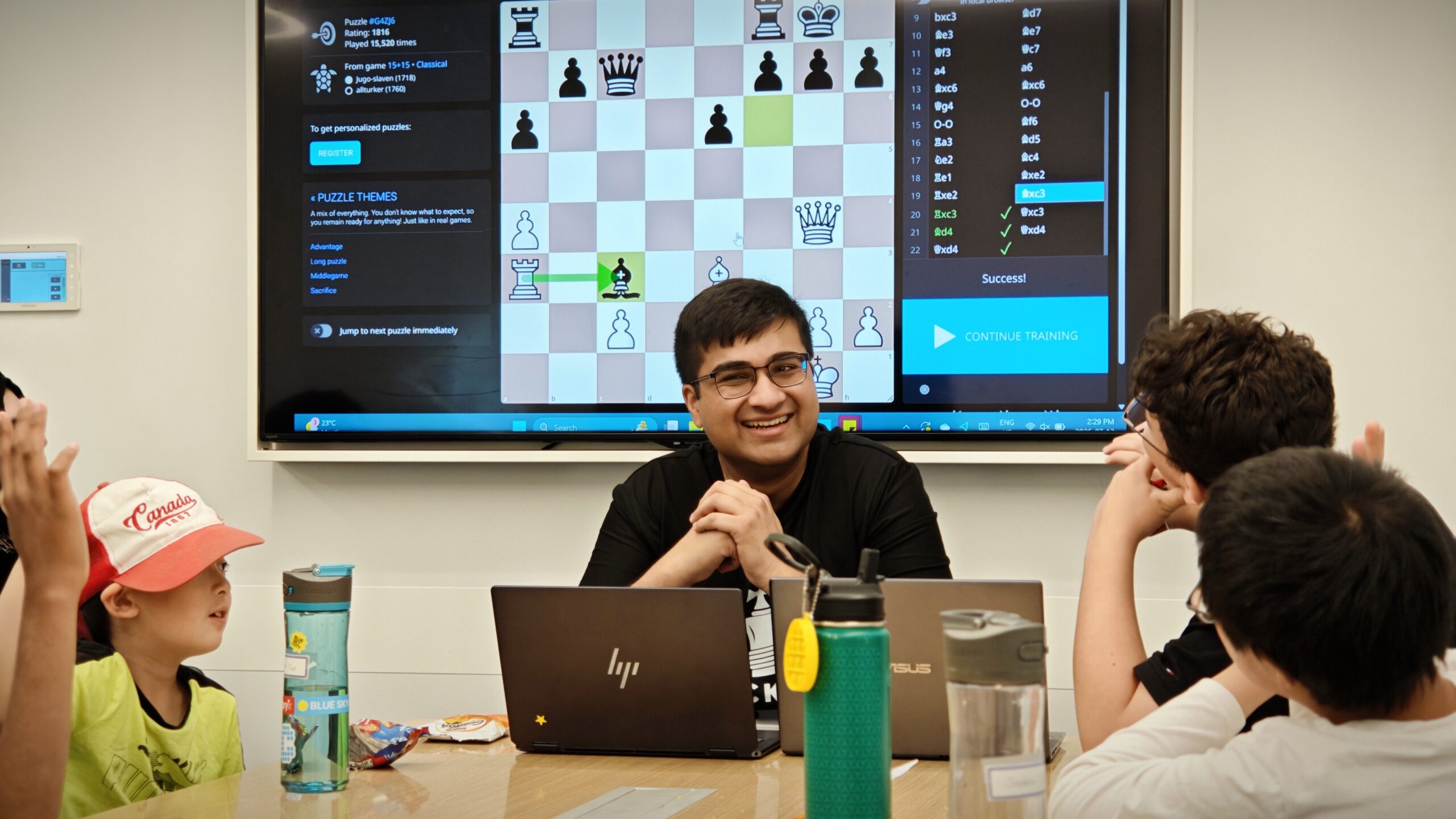
Also in support of quality education, I deliver engaging and exciting classes about chess to several hundred Calgary youth each year, highlighting the transferable skills that chess can have on a child’s learning. I teach resilience, patience, perseverance, and critical thinking skills in order to equip youth with the skills necessary to face challenges they will encounter outside the world of chess. Chess is a universal language many immigrant children already speak, and the connections that form over a shared love of the game makes this a particularly meaningful endeavour for me.
What are the ways in which you curate connection?
There are numerous examples I am fortunate to have, allow me to share my favorite one. I have been a program director and chess instructor with the Checkmate Foundation since 2022, teaching chess and providing opportunities for Calgary’s youth to connect over a shared love of the game. Chess is a fascinating medium to build connections with; the game transcends language barriers and reduces complexities in communication. Through hosting events such as summer camps, classes, and tournaments, I can foster a sense of shared community in newcomers to Calgary.
Through running these events, we also develop leadership competencies in our volunteer team. I mentor my volunteers and demonstrate how to communicate in situations where language barriers exist, ways to adapt lessons based on a child’s individual circumstances, and what transferable skills chess can teach youth as they encounter challenges in school and beyond.
The interpersonal connections I form with my students, parents, and volunteers support an open air of feedback, such that I am able to improve my events based on their input. Through the connections I have formed, I have learned that mentorship is always a two-way street of simultaneously giving and receiving. The power of connection allows us to build trust and a comfortable environment for feedback to be exchanged. As a result of seeking and implementing input from many stakeholders, my events continue to bring in hundreds of chess learners every year, and the community is ever expanding.
What role will connection play in your future work?
Forming meaningful connections lies at the intersection between all of the roles I have. This past semester, I helped deliver a graduate course in healthcare leadership. In that course, we discuss the LEADS framework for healthcare institutions. LEADS is an acronym for ‘Lead Self, Engage Others, Achieve Results, Develop Coalitions, and Systems Transformation’. Within this framework, connection applies significantly to the pillars of Engaging Others and Developing Coalitions.
In my future work, connection will be my springboard for tackling complex problems in healthcare. Engaging others focuses largely on the interpersonal nature of teamwork, find ways to connect with others and leverage common beliefs and strengths to further an organization’s vision. Between organizations, developing coalitions involves bridging organizations of similar values together, and discovering how unique perspectives can address inequalities.
For me personally, coming from a background enriched in research and healthcare leadership, I intend to work in fields that I use an evidence-based approach to advocate for enriched healthcare service access for all Albertans. Generating knowledge is important, but creating change through that knowledge is the ultimate goal of research.
Unified advocacy is needed now more than ever. As funding for our public services in Alberta shrinks with every year, it is critical to send a collective message to our representatives. Meaningful, real, human connections are the foundation of making sustainable change for our future.
More Top 30s from 2026