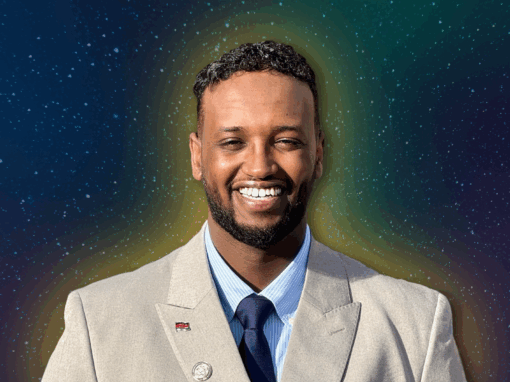

“The world gets softer when you treat each person as a whole story, not a passing moment, and you let their humanity slow you down.”
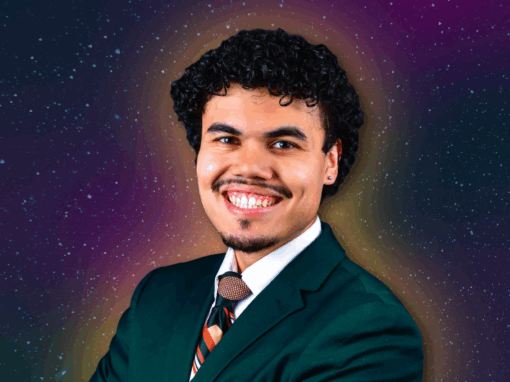
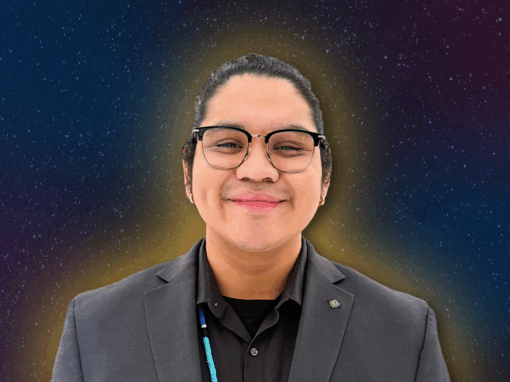
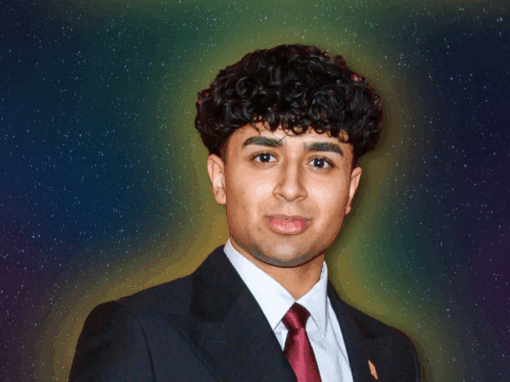
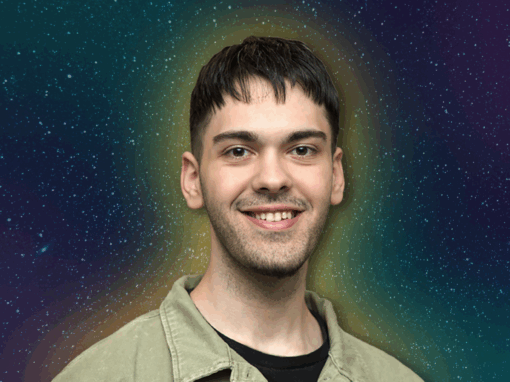
Ameen Alizada
TOP 30 UNDER 30 HONOUREE | 2026
About
PROFILE SNAPSHOT
AGE: 23
PRONOUNS: He/Him
HOMETOWN: Calgary, Alberta, Canada
CURRENT RESIDENCE: Calgary, Alberta, Canada
ORGANIZATIONS:
- Cleats4Kids Foundation
- Calgary Student Run Clinic
- Canadian National Institute for the Blind (CNIB)
- Calgary Police Service Victim Assistance Program (VAST)
- Alberta Sport and Recreation Association for the Blind (ASRAB)
GLOBAL IMPACT FOCUS (SDGs)
I am most passionate about:
What specific issue(s) are you working to address, and what motivates you to do so?
The work I have been privileged to be a part of sits across sport and healthcare, where barriers often determine who gets a fair chance to take part. When children cannot access sport, they lose a place to belong, a way to build confidence, and a path to better health. This matters to me because sport shaped my own sense of community growing up, and taught me many important skills and lessons that have helped me over the course of my education. For many children, the barrier is not motivation, but it is the gap between wanting to participate and having a fair chance to do so. Program fees, transportation, and equipment costs add up fast. Families new to Canada often navigate unfamiliar systems, limited time, and limited networks. Some kids carry the stress of displacement or trauma, and sport can be one of the few places where they can feel safe, but only if the environment is welcoming. Other children live with disability or chronic health challenges in a world that was not designed for them. They may face a lack of adapted programming, coaches who are not trained to include them, and settings that unintentionally exclude them.
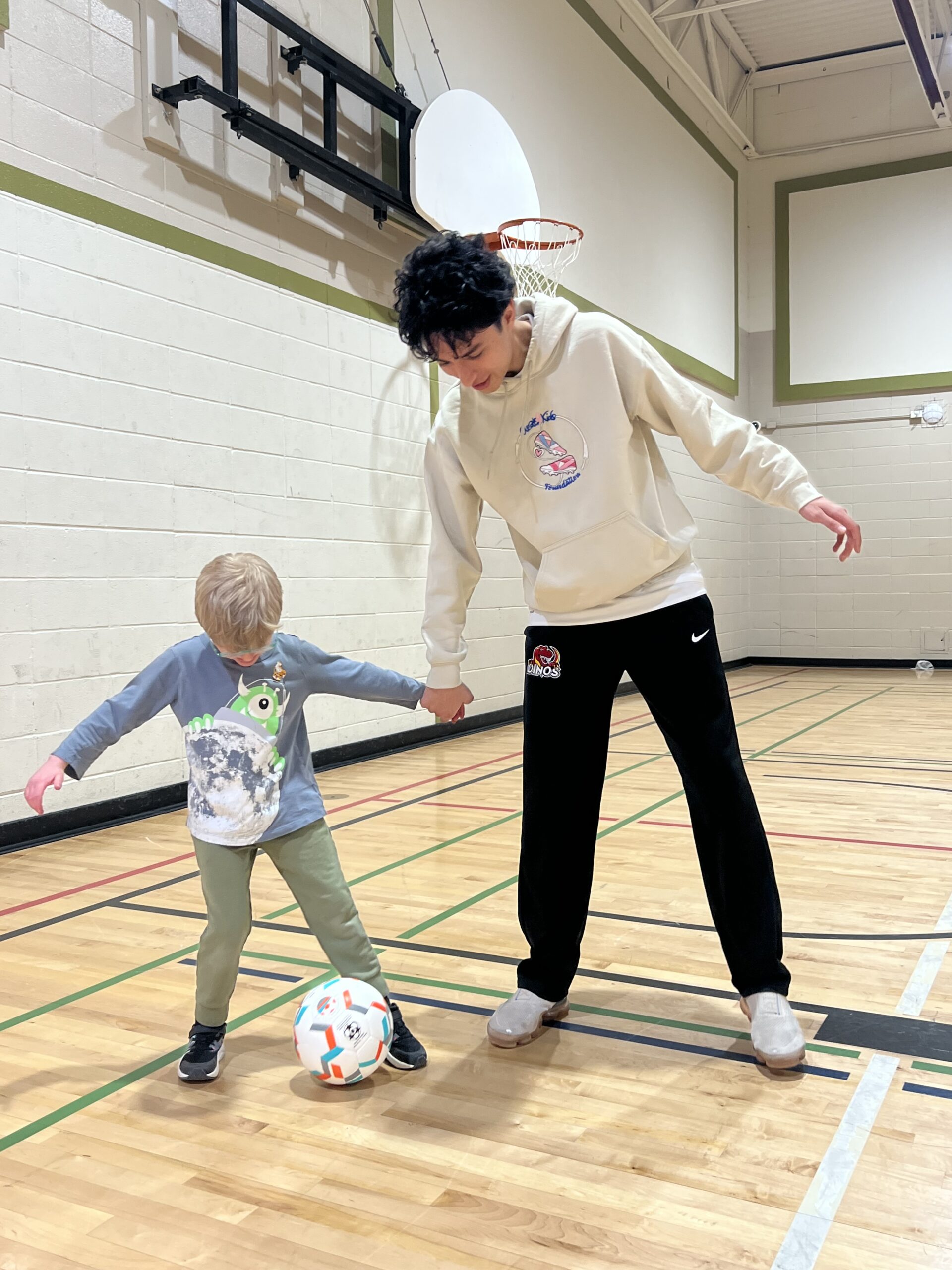
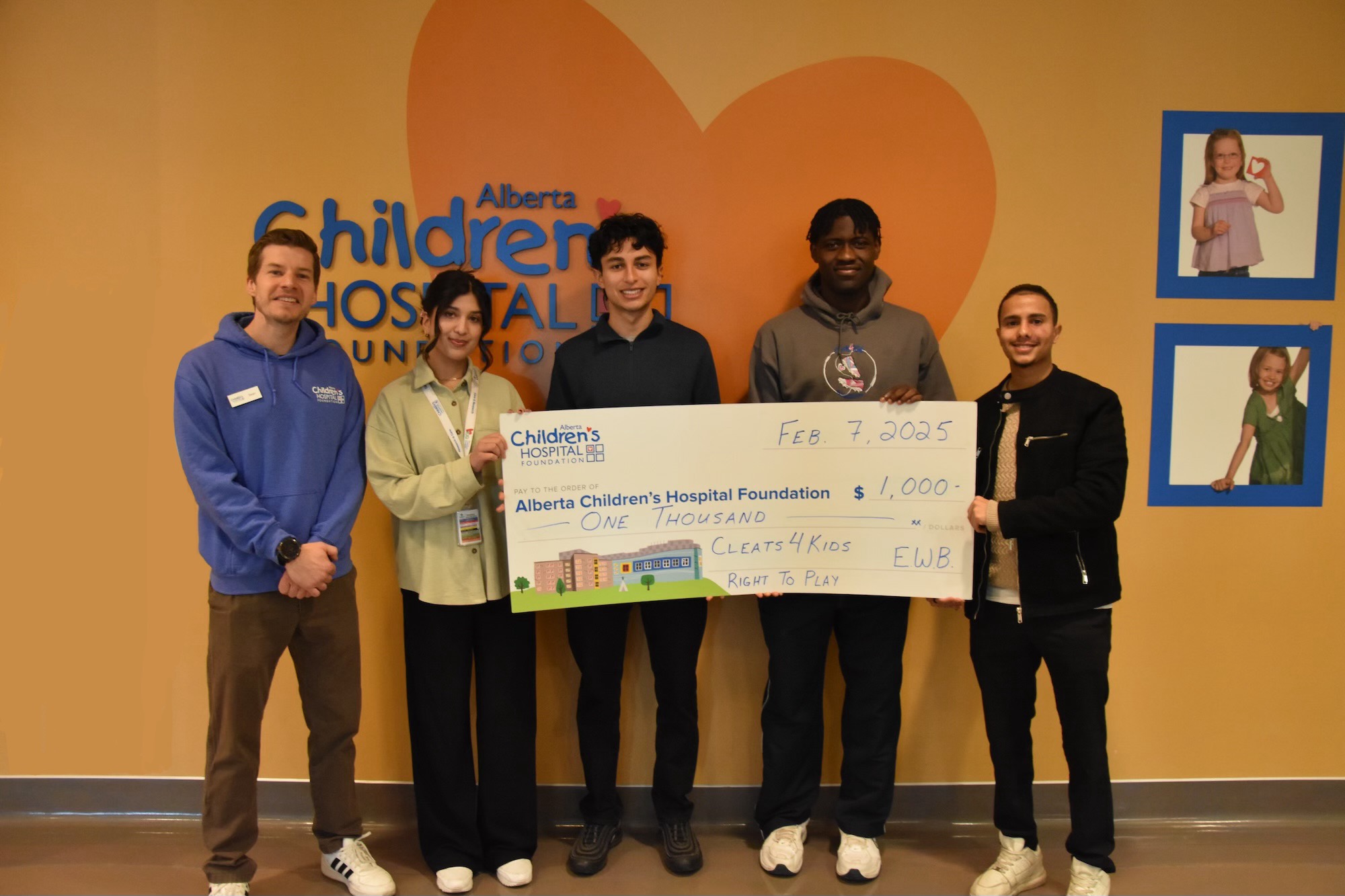
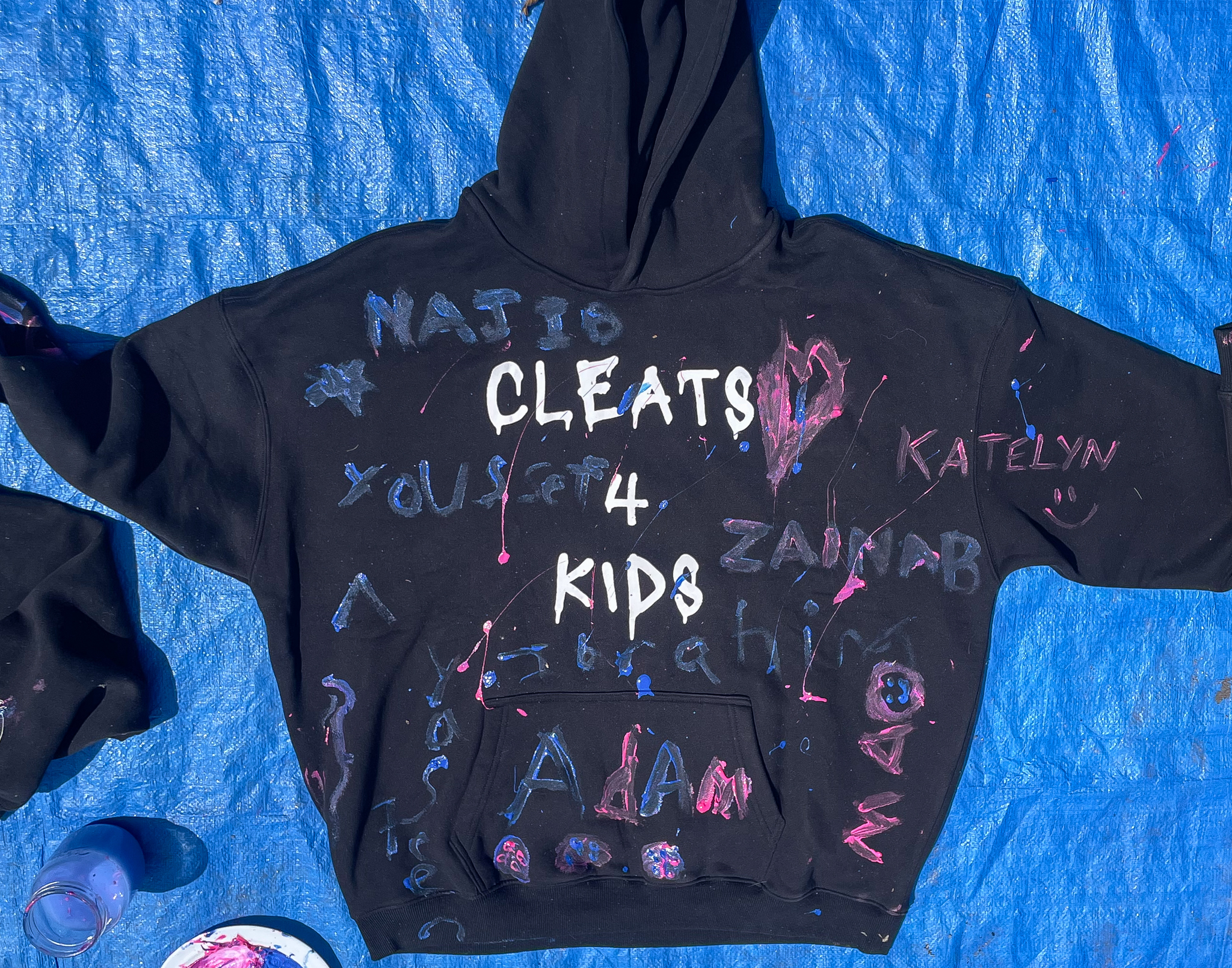
My main work is through the Cleats4Kids Foundation (cleats4kids.ca), a non-profit organization I co-founded to reduce barriers to sport for marginalized children. We focus on low-income families, refugee and newcomer youth, and children living with disabilities. We build partnerships with schools, settlement agencies, and local sport organizations, then deliver free and inclusive soccer programming and community events. One initiative I am especially proud of is our visually impaired soccer programming. We worked with community partners to design accessible sessions using balls with bells so athletes can track the ball by sound, structured drills around clear communication and predictable spacing so players can move with confidence. For many families, it is one of the first sporting spaces where their child can participate fully and feel like they belong. We also run events that build connection beyond sport. At our river cleanup, we invited youth soccer teams from across the city to show up together and care for a shared space. Players who would usually compete worked side by side with parents, coaches, and volunteers. It gave youth a meaningful way to contribute to their community and see themselves as stewards of the environment.
These principles also shape how I think about healthcare. I have learned that outcomes depend on more than the quality of the care itself. They also depend on whether people can access it, understand it, and feel comfortable engaging with it. I want to keep working at the intersection of health and participation by supporting approaches that reduce barriers that are often overlooked.
What are the ways in which you curate connection?
One of the most meaningful ways I have been able to practice and curate connection has been through my work with the Calgary Police Service Victim Assistance Support Team (VAST). In my role, I have been entrusted with listening to the stories of those afflicted by crime and tragedy and offering them the support and resources they need in that difficult time. In these cases, connection is formed through trust, empathy, and kindness. I hope to always be a part of VAST, as it has taught me that being connected to those around you is both a gift and a privilege, as you get to learn from people and their stories.
It is that privilege and overwhelming sense of responsibility when being trusted by and connected to someone in their most vulnerable state that has driven my desire to be a physician, and my subsequent work with vulnerable populations through the Calgary Student Run Clinic, CNIB, ASRAB and Cleats4Kids Foundation.
What role will connection play in your future work?
Connection will most certainly guide my future work because it shapes whether people feel included, understood, and willing to take part. Through Cleats4Kids, the goal is not only to run programs. It is to help kids and families feel that they belong in the spaces around them. When a child feels welcome on a team, they are more likely to keep showing up. When parents trust the people running a program, they are more likely to ask questions, share concerns, and stay involved. Over time, that sense of belonging becomes a kind of stability that many families do not have when they are new to a city or facing barriers.
As a medical trainee, connection matters for similar reasons. People thrive when they feel heard, understood, and respected. That often comes down to listening well, explaining things clearly, and taking seriously the story someone brings into the room. We also live in a time where technology connects us quickly, but many people still feel alone. As AI tools become more common and advanced, it will be even more important to stay grounded in real relationships and in the lived experiences of the people around us.
More Top 30s from 2026