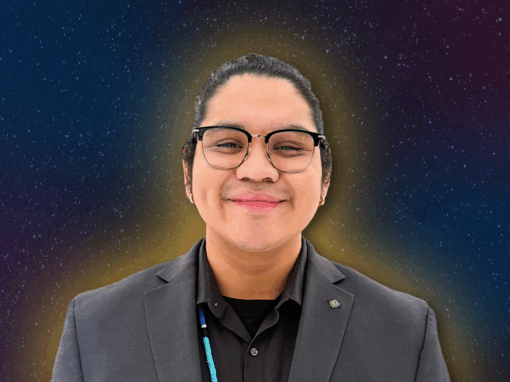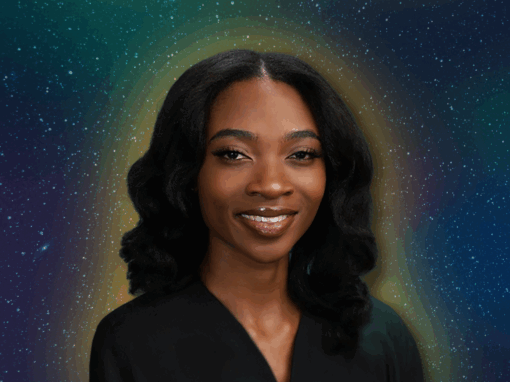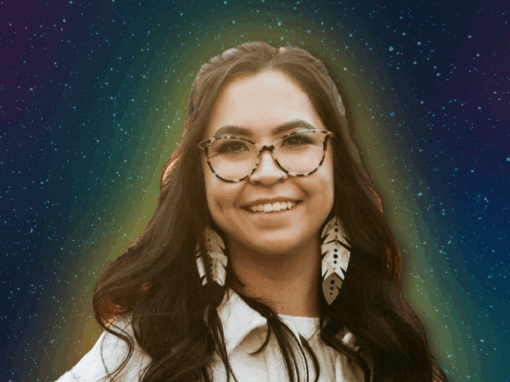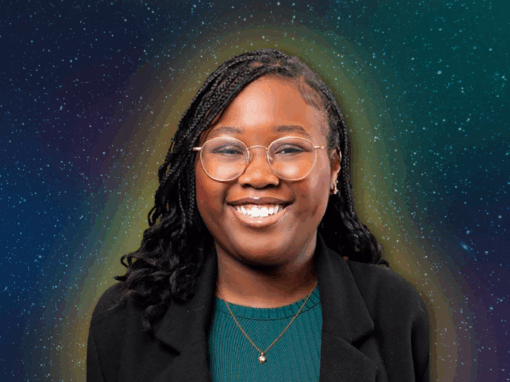
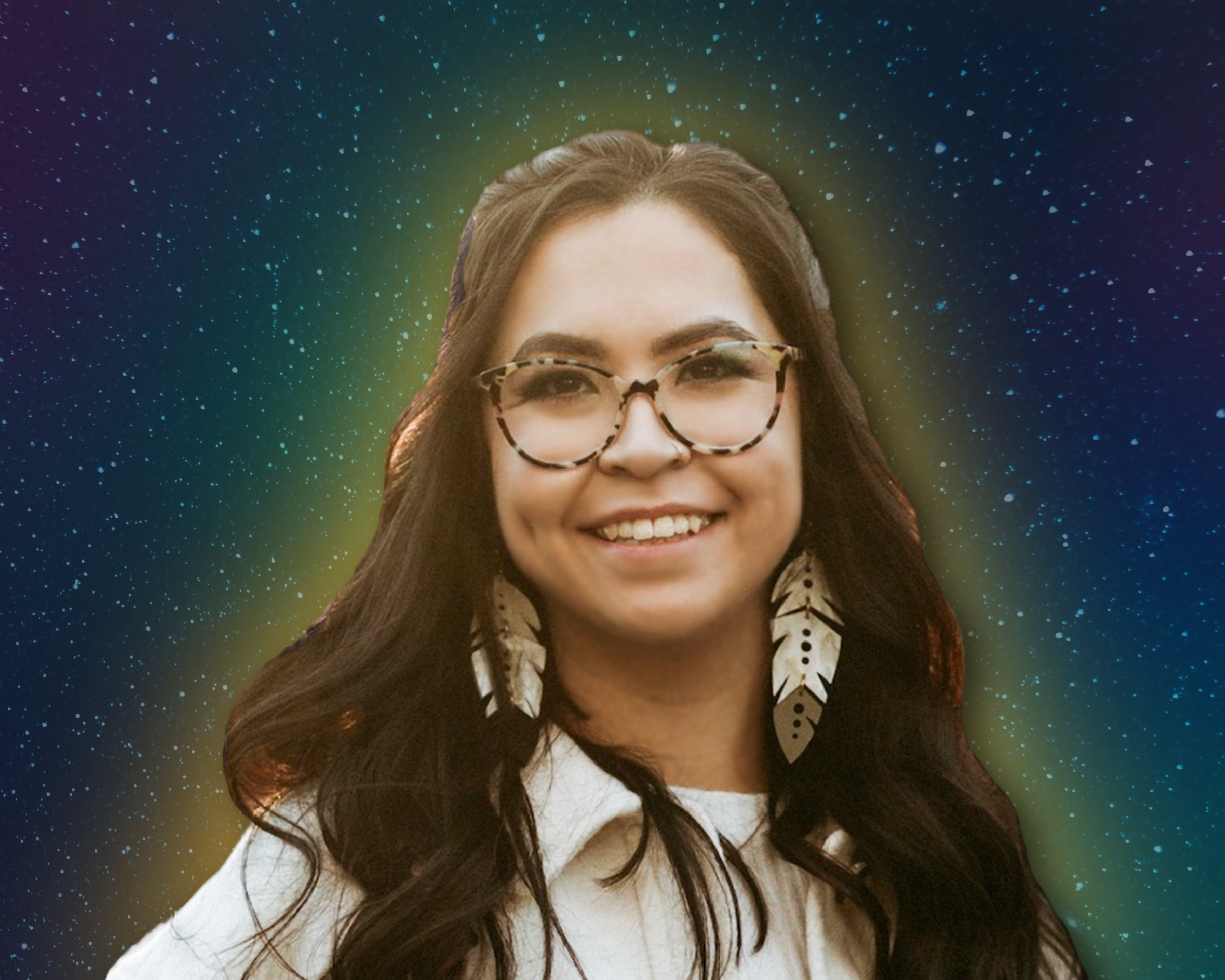
“Rez kids can do anything*—not because the path was easy, but because we come from people who carried each other through it. We rise by remembering where we come from, by mentoring those who walk beside us, and by advocating for those not yet here.” *Opening phrase by Shayla Stonechild
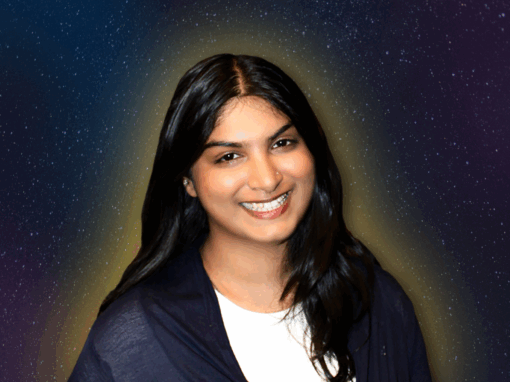
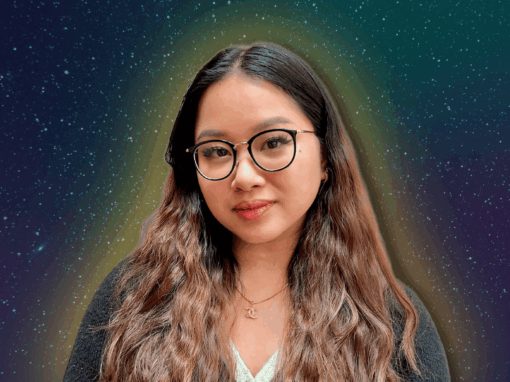
Tyara (Tya)
Marchand
TOP 30 UNDER 30 HONOUREE | 2026
About
PROFILE SNAPSHOT
AGE: 28
PRONOUNS: She/Her
HOMETOWN: Okanagan Nation, British Columbia, Canada
CURRENT RESIDENCE: Calgary, Alberta, Canada
ORGANIZATIONS:
- Emergency Medicine Resident with Alberta Health Services
- Researcher with Equity, Quality, Innovation, and Safety (EQuIS) Research Platform
- Research Scholar with Cumming School of Medicine’s Precision Equity and Social Justice Office (PESJO)
GLOBAL IMPACT FOCUS (SDGs)
I am most passionate about:
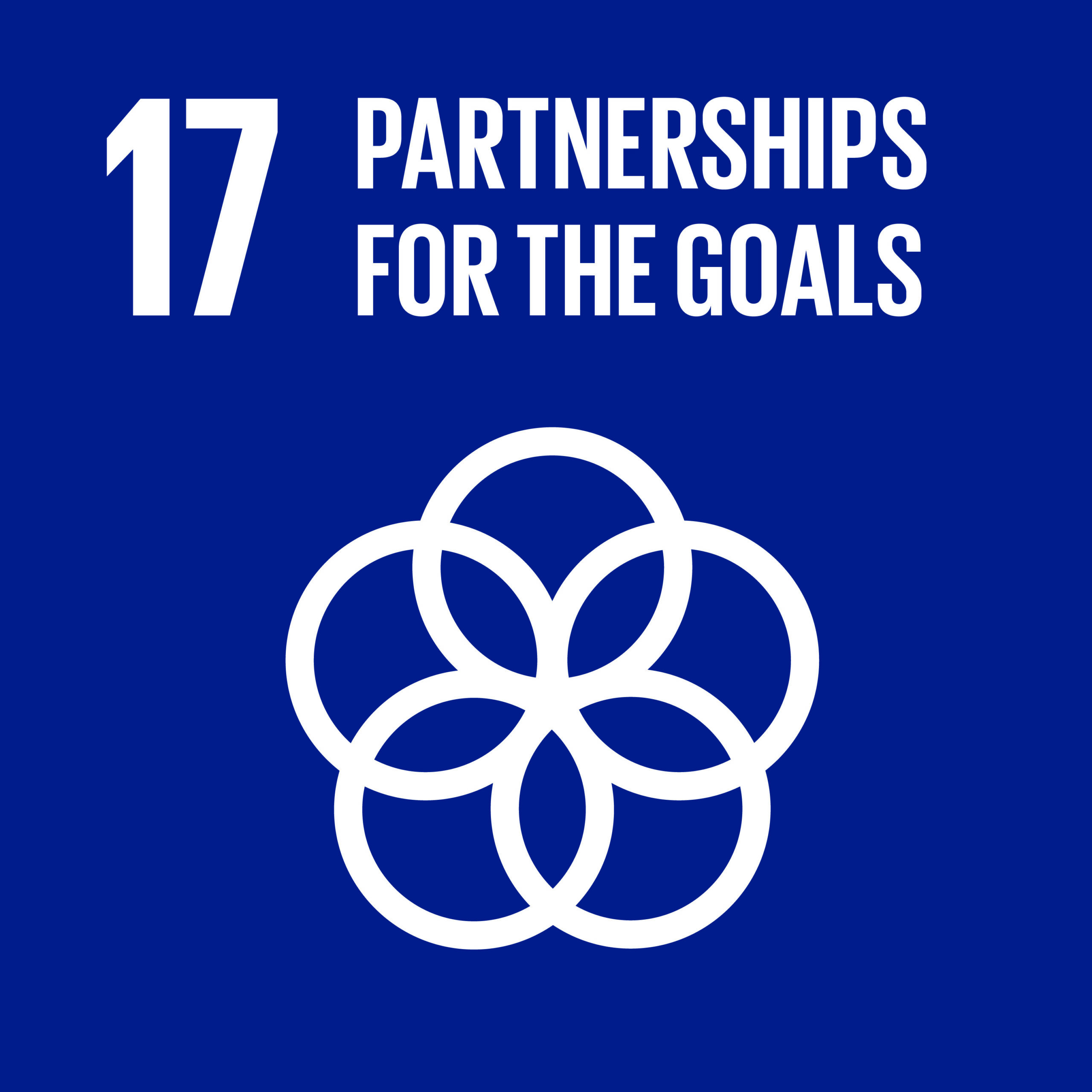
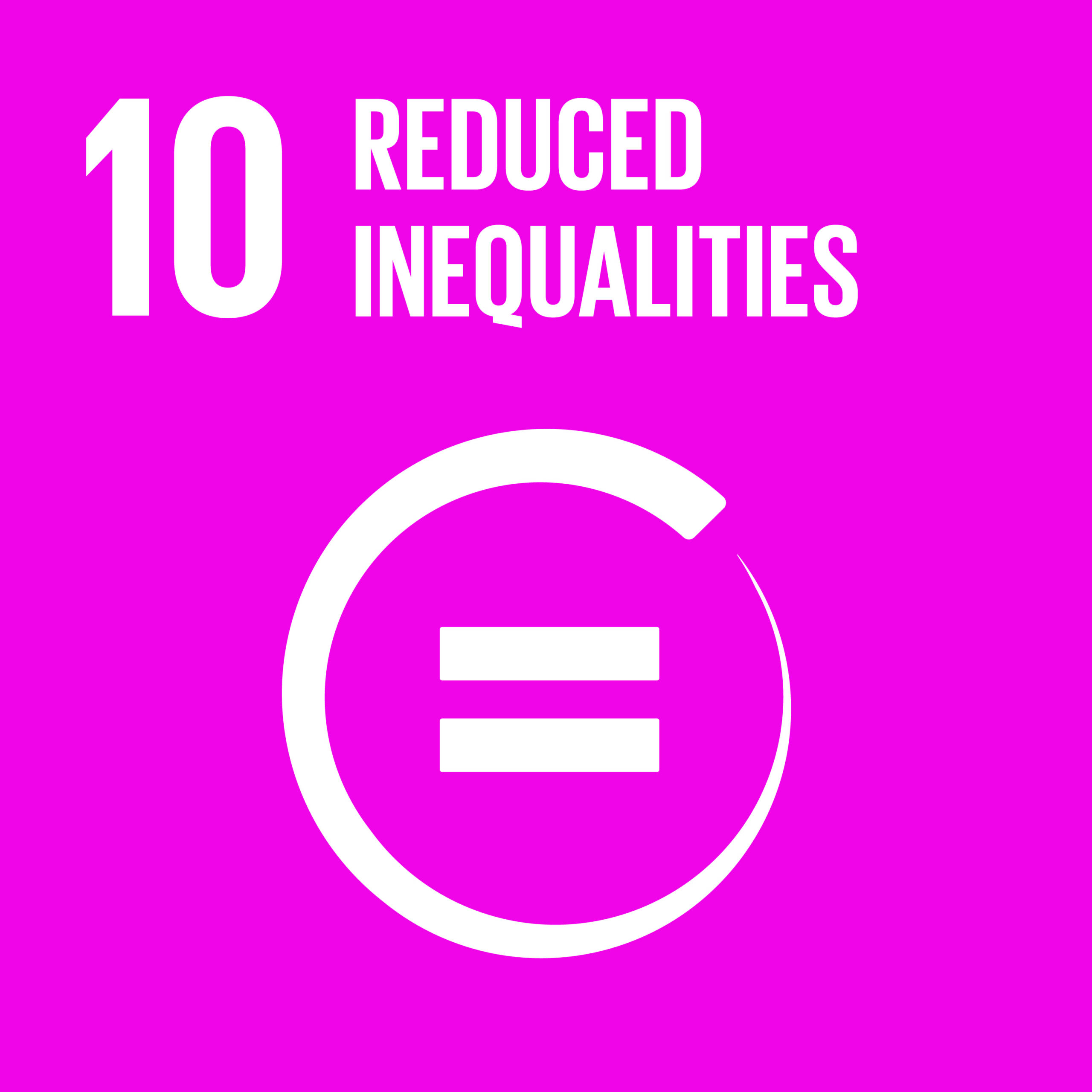
What specific issue(s) are you working to address, and what motivates you to do so?
My work focuses on the persistent health inequities experienced by Indigenous and other marginalized peoples within acute care systems and the inequities faced by Indigenous learners and professionals within academic medicine. Health systems that marginalize patients often mirror the same structures that exclude Indigenous voices from training, leadership and decision-making spaces. My work is aimed at interrupting these cycles through equity-oriented, community-led strategies that advance health justice, wellness, and Indigenous sovereignty.
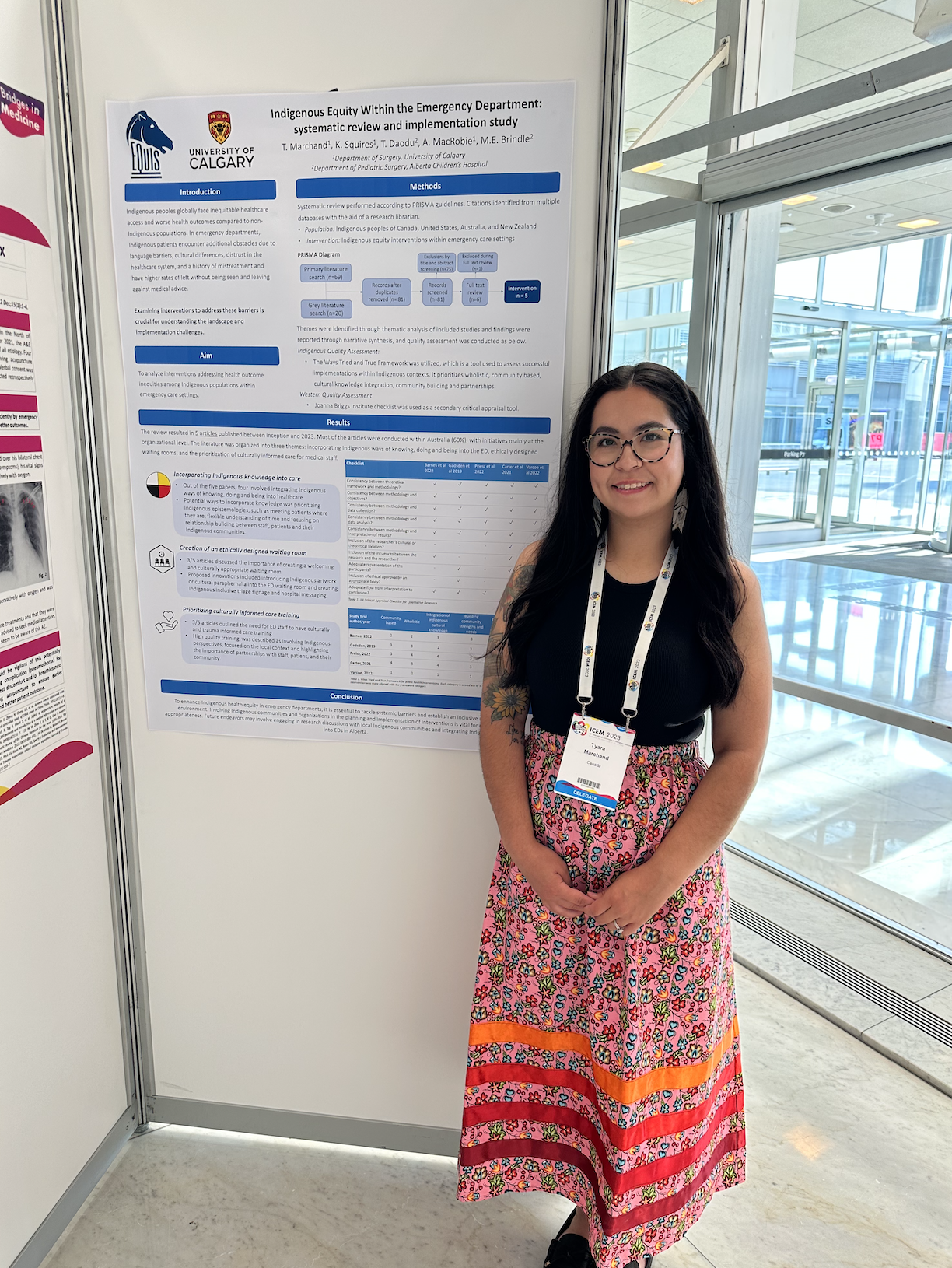
As an emergency medicine resident physician in Calgary, my clinical work places me at the intersection of many health inequities. Emergency departments are a critical point where Indigenous patients disproportionately experience racism, delayed care, stereotyping and bias, which contribute to worse health outcomes compared to their non-Indigenous counterparts. In response to this, I am working alongside southern Alberta Indigenous Nations to co-develop equity-oriented strategies within acute care. This work is grounded in relationship building, accountability, sovereignty and prioritizes Nation’s voices.
My motivations for this work are deeply personal. I am a first-generation university graduate, a woman in medicine, and a member of an Indigenous community who has personally experienced health inequities. I am also a mother to a five-year-old son which shapes my commitment to building systems that are safe and accountable to future generations.
What are the ways in which you curate connection?
I strive to create connection through relationship-centered, community-driven work that spans multiple domains including community, clinical environments, academic spaces and national networks.
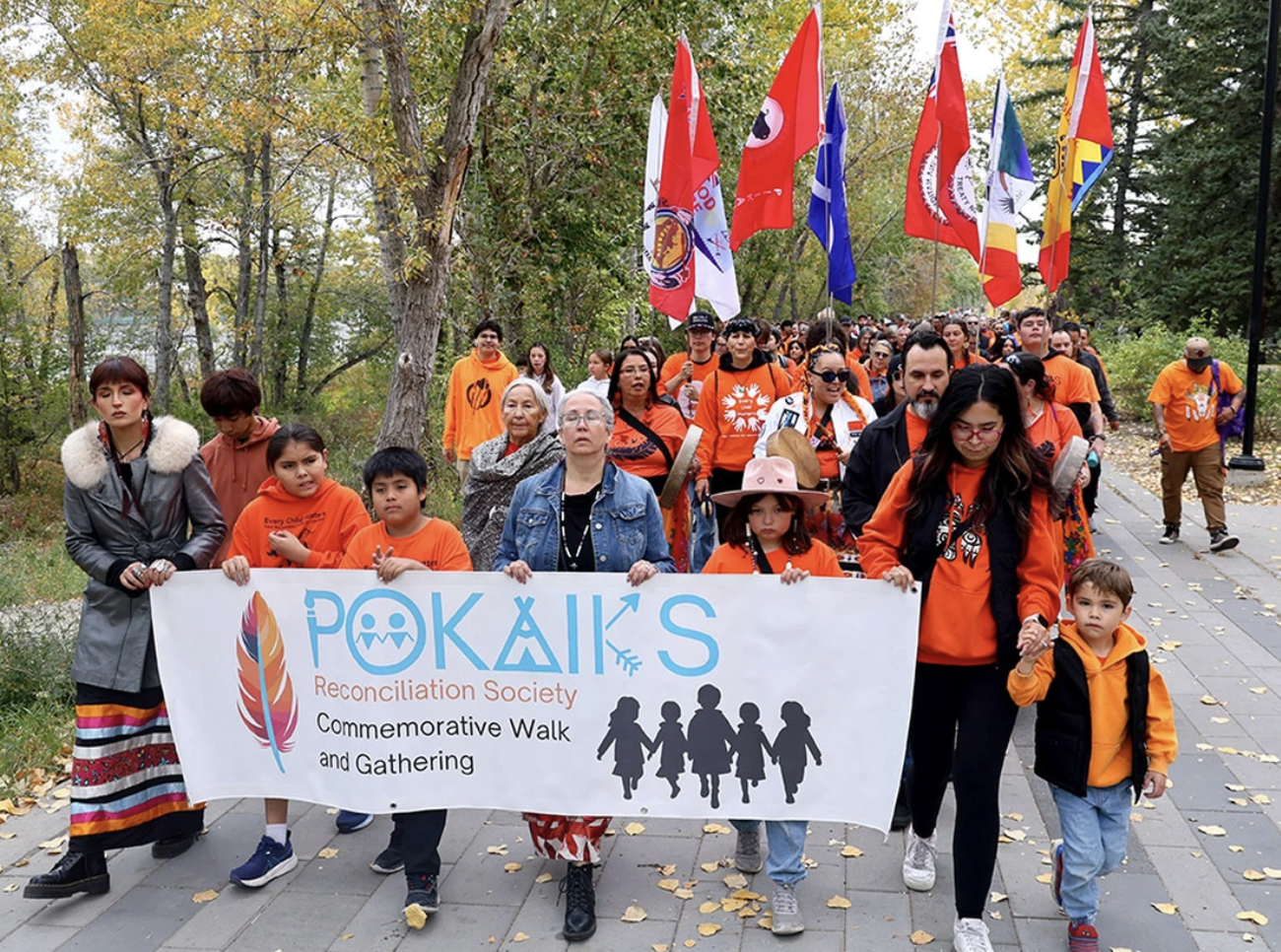
I prioritize my roots and remain accountable to the community that raised me by maintaining strong relationships with the Okanagan Nation. I have co-chaired the Okanagan Indian Band Youth Leadership Council and provided trauma-informed care education to the community nursing team. I hope to continue bringing the lessons I learn back to my people ensuring knowledge flows in meaningful and reciprocal ways.
Locally, my work is grounded in connection as a means of creation. The research I lead is rooted in research as ceremony, and we intentionally create events that prioritize Indigenous ways of knowing, doing and being. A primary method I use to build connection and generate knowledge is sharing circles. This opens space for storytelling, relational accountability, and meaningful connection among participants. This approach ensures work is guided by lived experience rather than through extractive approaches.
Further to this, within academic medicine, I curate connection through mentorship of medical students and residents, particularly BIPOC learners, fostering spaces of belonging, shared experience and mutual support.
Across all settings, I work relationally and collaboratively to amplify marginalized voices, challenge exclusionary spaces and help create change within systems that were not designed to include us.
What role will connection play in your future work?
Connection will be central to my future work as both a guiding principle and a practical strategy for achieving meaningful and lasting change. To fully harness the power of connection for meaningful and lasting impact, we must invest in relationships that are sustainable, reciprocal, and accountable. This includes connections between communities and institutions, between clinician and patients, and between learners, leaders and mentors. Connection also requires intentionally creating spaces that support deep listening where diverse ways of knowing are valued, lived experience is centred, and decision-making power is shared. When connection is prioritized in this way, development work moves beyond transactional engagement toward community-led change.
In alignment with the work I plan to continue, connection is paramount and central to Indigenous self-determination. I aim to contribute to work that is not solely measured by outputs alone but by whether communities feel heard, respected and empowered.
More Top 30s from 2026