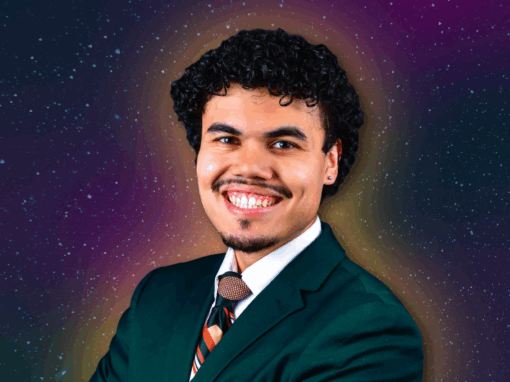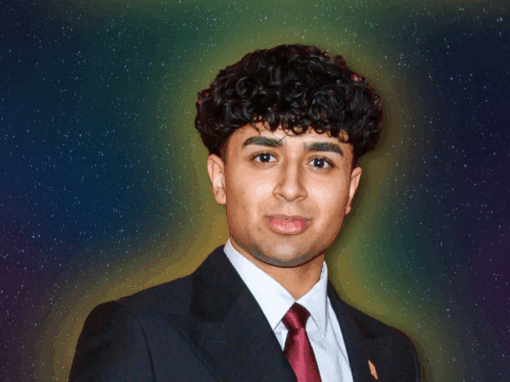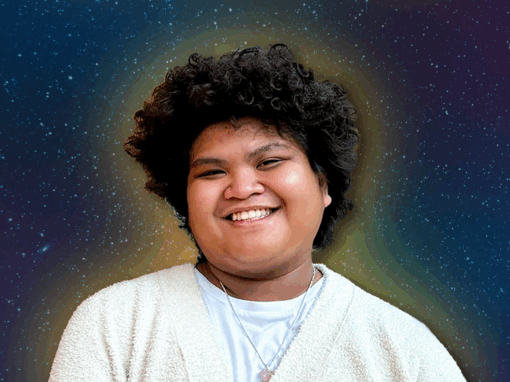

“A just and sustainable future is one where all children and youth are given the opportunity to flourish. Let’s build that equitable future together by creating a world where all young people are empowered to achieve their dreams.”
Joshua Borja
TOP 30 UNDER 30 HONOUREE | 2026
About
PROFILE SNAPSHOT
AGE: 21
PRONOUNS: He/Him/His
HOMETOWN: Calgary, Alberta, Canada
CURRENT RESIDENCE: Calgary, Alberta, Canada
ORGANIZATIONS:
-
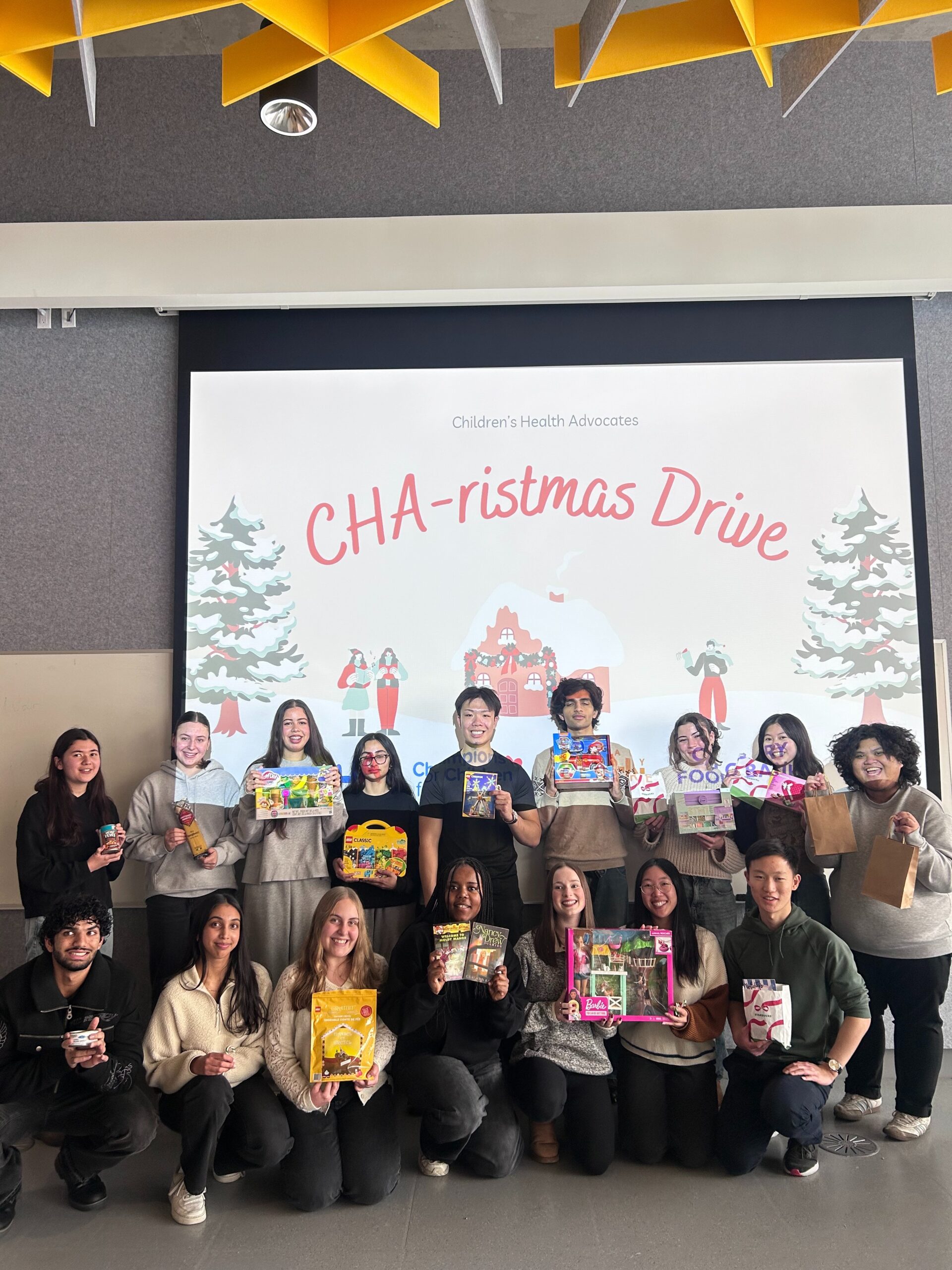
- Children’s Health Advocates (CHA)
- Alberta Children’s Hospital Foundation (ACHF) / Alberta Children’s Hospital Research Institute (ACHRI)
- Stop Addicting Adolescents to Vaping and E-cigarettes (SAAVE)
- Nutrition, Exercise, Learning for Youth (NELY)
- Humanity Auxilium
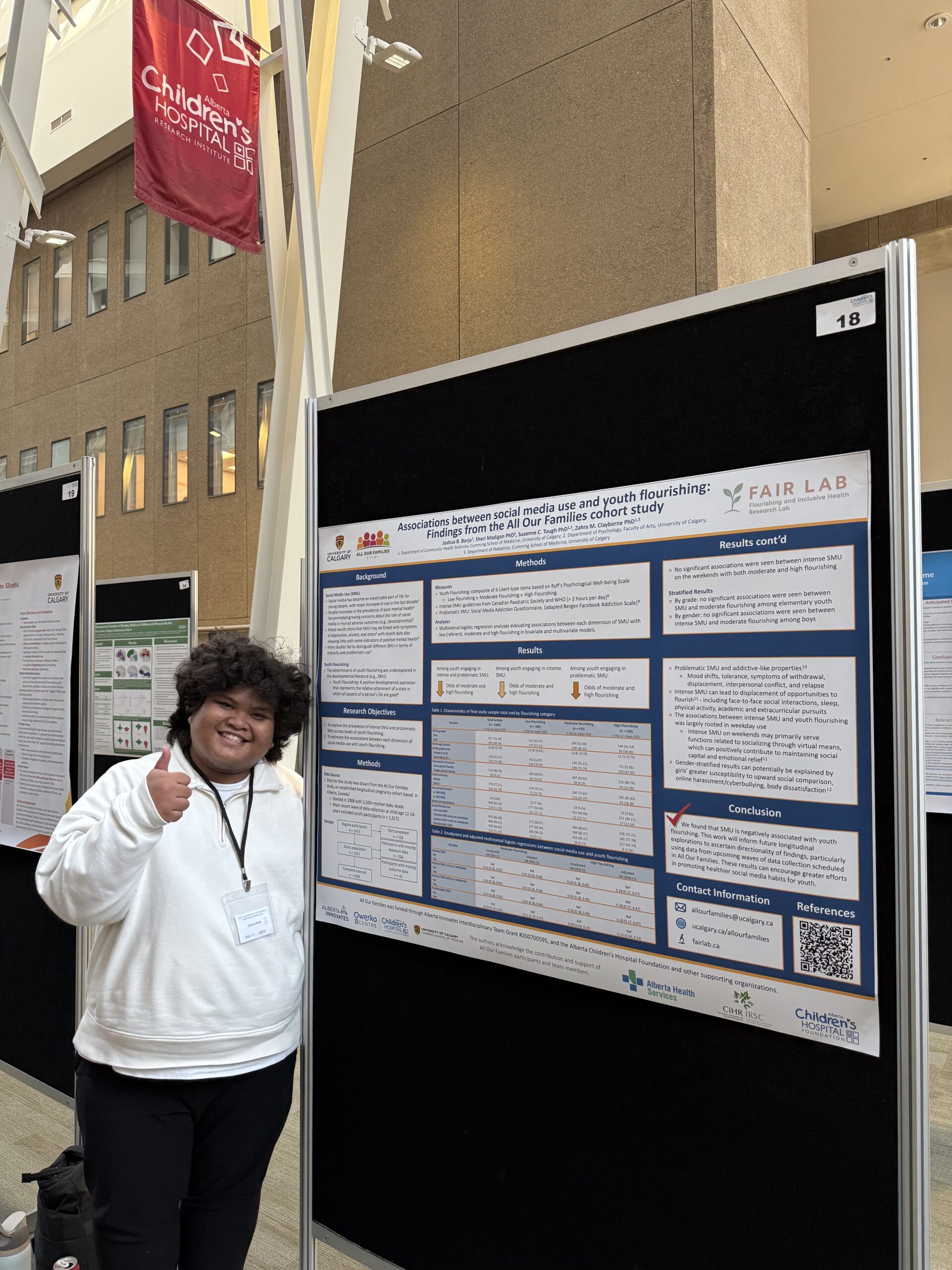
- Flourishing and Inclusive Health Research (FAIR) Lab
- International League Against Epilepsy (ILAE)
- Scholars Academy, University of Calgary
- Children’s Health Advocates (CHA)
GLOBAL IMPACT FOCUS (SDGs)
I am most passionate about:
What specific issue(s) are you working to address, and what motivates you to do so?
My work is centred on my passion for improving child health and wellness with a particular focus on mental health and well-being and the social determinants of health. I am motivated by the understanding that health outcomes cannot be simply explained as a result of biomedical factors or individual choices, but are shaped by broader socio-structural factors such as income security, access to care, social support, and the environments in which young people grow and develop. SDG3 (Good Health and Well-being) is the foundation of my activities and career aspirations, especially as I engage in projects aiming to contribute to a future where all children and youth can flourish.
One area I am particularly interested in is how social determinants shape population-level mental health outcomes and inequities among children, adolescents, and young adults. In my first research studentship, I used nationally representative Canadian data to study the impacts of pandemic-related stressors on the mental health of young people in Canada. Our chief finding was that young women experienced not only higher rates of poor mental health, but also synergistic vulnerabilities when exposed to stressors emerging from the COVID-19 pandemic, such as financial difficulties, loneliness, work stress, and barriers to accessing health care, which revealed how social and economic factors can compound risk.
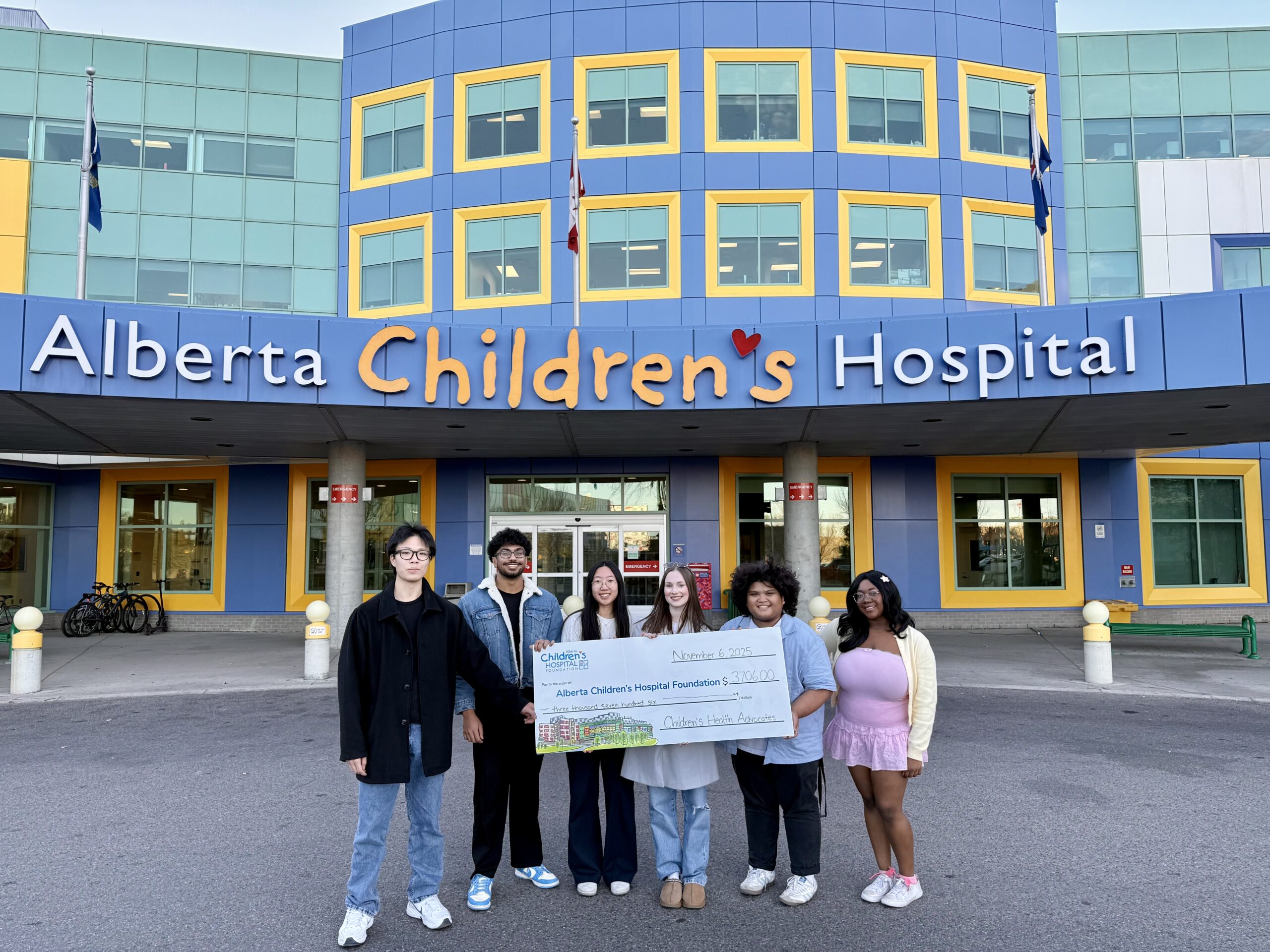
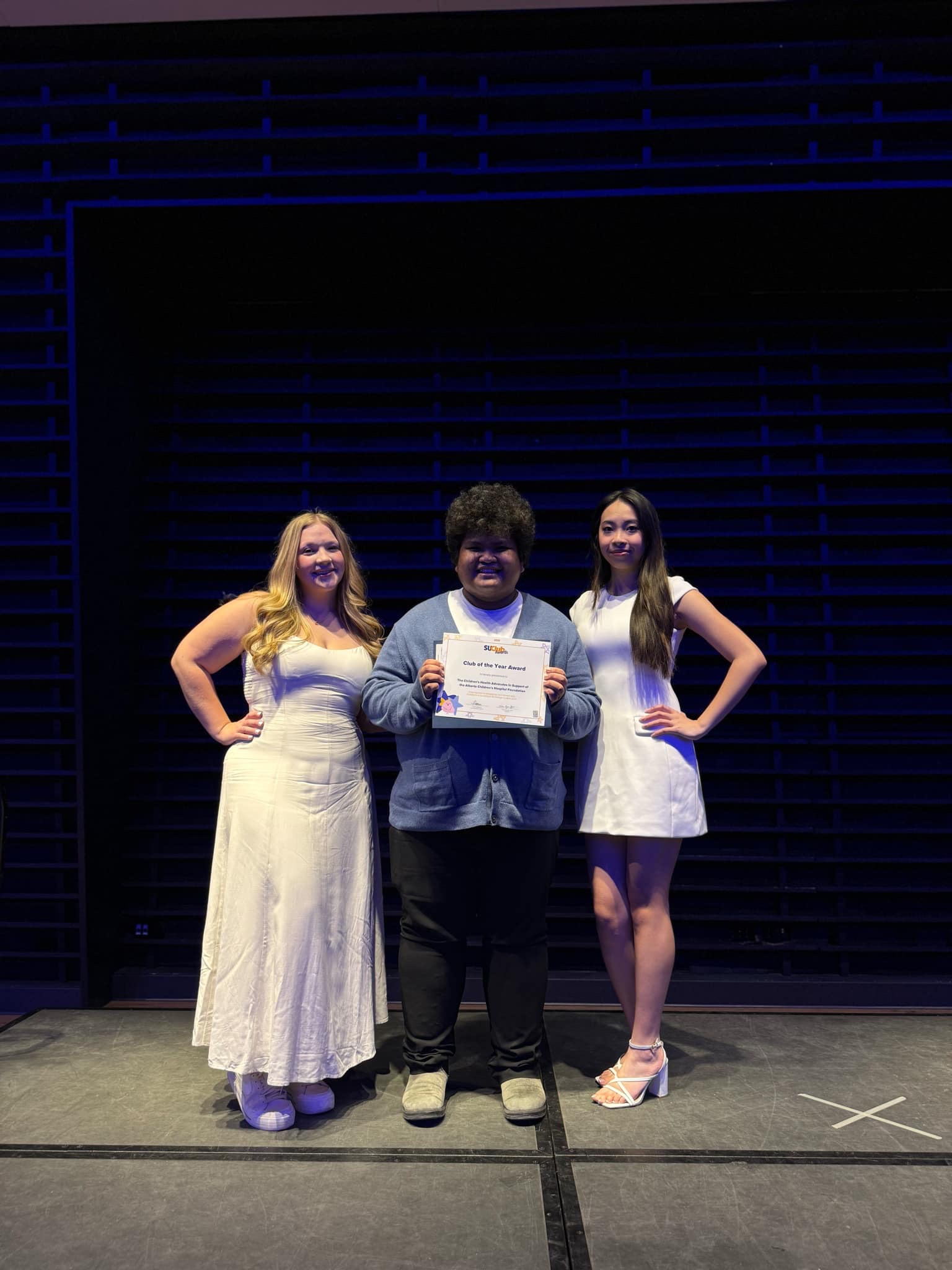
Alongside my academic work, I am also passionate about leadership, public service and advocacy. As Co-President of the Children’s Health Advocates, I lead a team of over 450 student members dedicated to promoting child and youth health through fundraising, volunteering and advocacy. Through partnerships with the Alberta Children’s Hospital Foundation and other community organizations, our initiatives address issues such as youth mental health, nutrition, and access to care. I am also a co-founder of Humanity Auxilium Students, where I lead students in engaging in humanitarianism and advocacy for displaced populations, and serve as a board member with Stop Addicting Adolescents to Vapes and E-cigarettes, where we raise awareness about and advocate for policies that protect youth from nicotine addiction.
My motivation for this work is deeply personal. Growing up, my family experienced periods of financial strain that limited access to opportunities many children take for granted. Economic constraints often shaped decisions around education, extracurricular involvement, and financial stability, making clear to me that the promise of opportunity is not distributed equally. These experiences taught me early that potential alone is not enough; young people need supportive social and economic conditions to succeed. Still, I was privileged to enjoy the comforts afforded to me living in Canada. As a Filipino immigrant, I witnessed stark differences in access to health care, social support, and social conditions between communities in Canada and the Philippines. The social, economic and political conditions in Canada often lead to better health outcomes than in the Philippines, where there are deep concerns about persistent poverty, food insecurity, high income inequality, corruption, climate vulnerability, and threats to human rights. These moments solidified my belief that good health is not only about the absence of illness, but about whether children and youth are given the conditions to feel secure, supported, and hopeful about their future.
What are the ways in which you curate connection?
Building connections is foundational to my leadership, research, and advocacy. I curate and locate myself in spaces where people across disciplines, with diverse lived experiences, can come together to help address health inequities.
Locally, much of the work I do to curate connections happens through my leadership with the Children’s Health Advocates. I bring together students from diverse academic backgrounds across the University of Calgary and connect them together to co-design and lead initiatives focused on child health and wellness in areas such as mental health, nutrition, and chronic diseases. I also connect students with clinicians, researchers, and other child health professionals in various networking and educational events. CHA is proud to partner with community organizations across Calgary to help address diverse social determinants of health or challenges. Globally, I curate connection through my work with the Humanity Auxilium Students by linking students in Canada with humanitarian and health efforts abroad. Through fundraising and advocacy initiatives, I collaborate with students with global health leaders supporting displaced and marginalized populations.
I strive to create environments where the young people and students I serve have the capacity to contribute to our common goals of advancing child health and wellness. At CHA, every event, campaign, and initiative is co-designed with a diverse team of student leaders. CHA’s outreach is informed with evidence, selecting monthly advocacy priorities based on student input. Our partnerships with community organizations such as the Alberta Children’s Hospital Foundation helps ensure that CHA’s programming reflects the needs of children, youth and young adults across Alberta. I am committed to shared decision-making, such that every campaign is planned through team brainstorming and incorporates CHA’s highest priorities as informed by collaboration and research.
What role will connection play in your future work?
Meaningful change in health systems and global development does not happen through isolation, but rather through relationships grounded in trust, humility, and shared purpose. Epidemiologists use the term synergy to describe how the combined effect of two or more factors on health outcomes is greater than the sum of their individual effects. This can be attributed to development work, where connections give rise to synergy, such that the combined effects of collective action are greater than the sum of individual effects when people act alone. Throughout my career, I aim to synergize my work through collaborating with and harnessing my networks to drive meaningful change.
As I pursue a career as a leader in public health, I am committed to building relationships among researchers, clinicians, policymakers, educators, and young people themselves so that solutions are informed by robust evidence, which includes lived experience. This approach reflects my belief that those most affected by inequity must be active participants in shaping the responses to it. Connection is also essential for creating lasting change because it shifts development work from doing things for communities to working with them. The most meaningful connections are not transactional, but relational and formed through listening, shared decision-making, and mutual accountability. These connections allow different forms of knowledge to coexist, including scientific evidence, cultural knowledge, and lived experience, strengthening both the relevance and sustainability of interventions.
I believe connection can drive a more inclusive and just future because it drives collective responsibility. When people across disciplines, sectors, and communities are connected by a shared commitment to advancing equity, we are better equipped to address upstream determinants of health and create environments where children and youth can truly flourish. In my future work, I hope to continue cultivating spaces where harnessing connections is the foundation upon which meaningful and lasting change is built.
More Top 30s from 2026