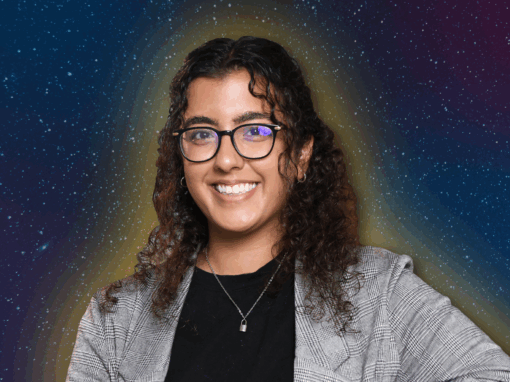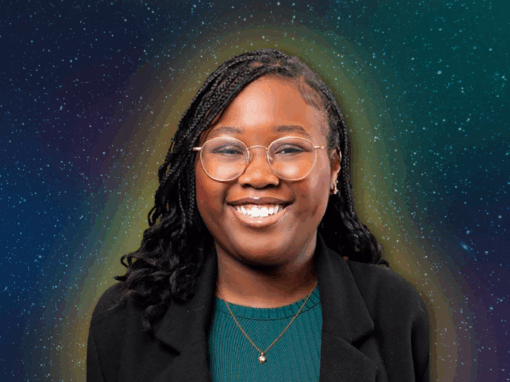
“The future is built by those willing to connect deeply, listen, and lead together. Your voice, your relationships, and your courage to care are where real change begins. ”
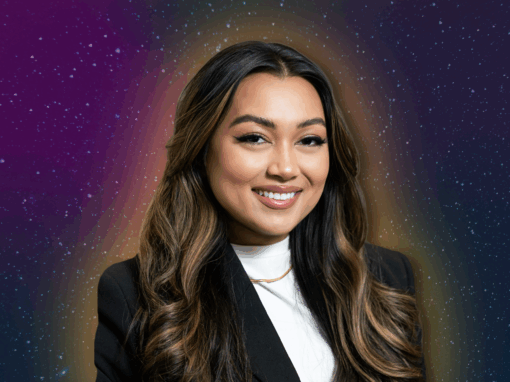
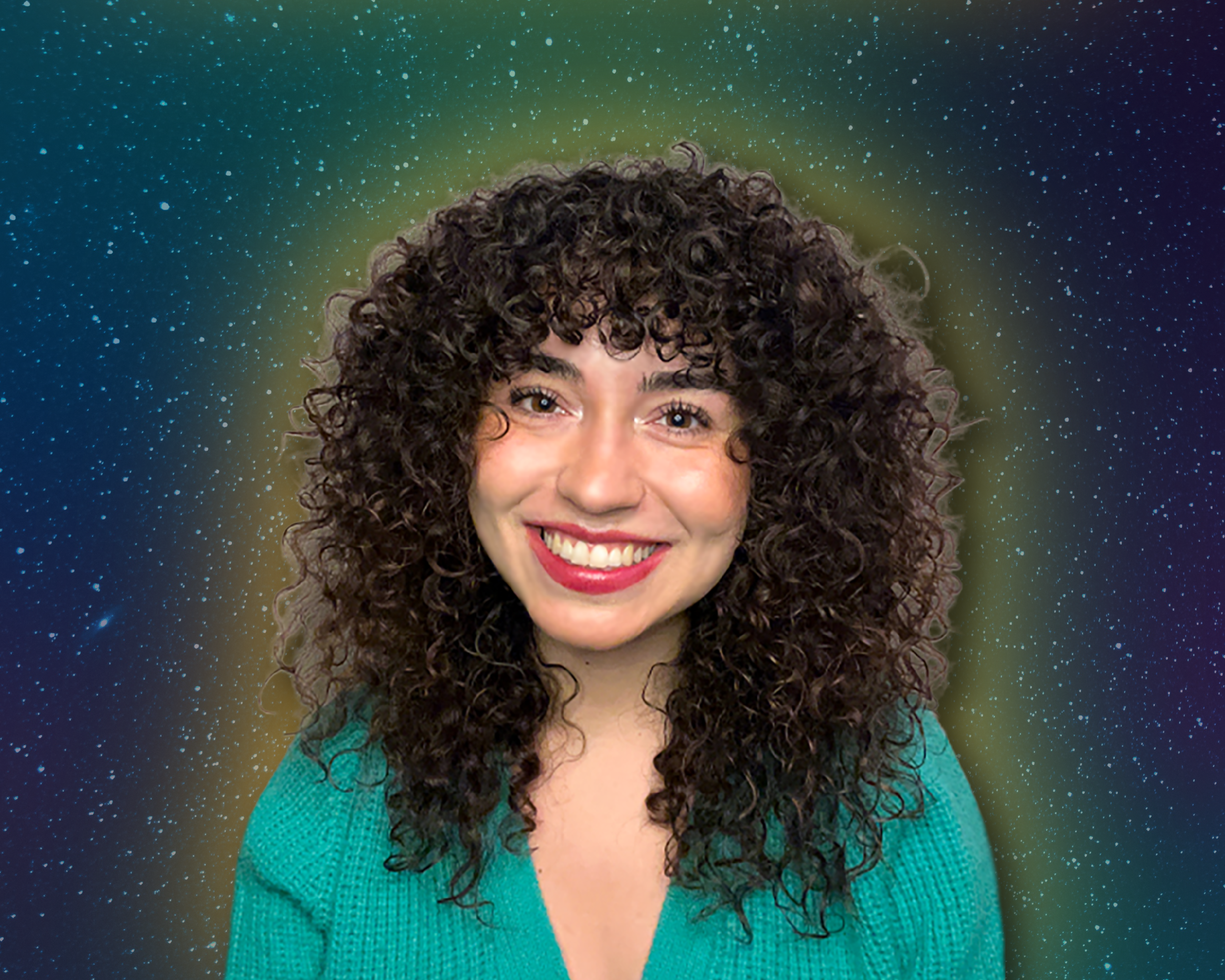
Josephine
Coyes-Loiselle
TOP 30 UNDER 30 HONOUREE | 2026
About
PROFILE SNAPSHOT
AGE: 25
PRONOUNS: She/Her
HOMETOWN: Edmonton, Alberta, Canada
CURRENT RESIDENCE: Edmonton, Alberta, Canada
ORGANIZATIONS:
- VIDEA
- IDEE (Innovate, Diversify, Educate, Empower)
GLOBAL IMPACT FOCUS (SDGs)
I am most passionate about:
What specific issue(s) are you working to address, and what motivates you to do so?
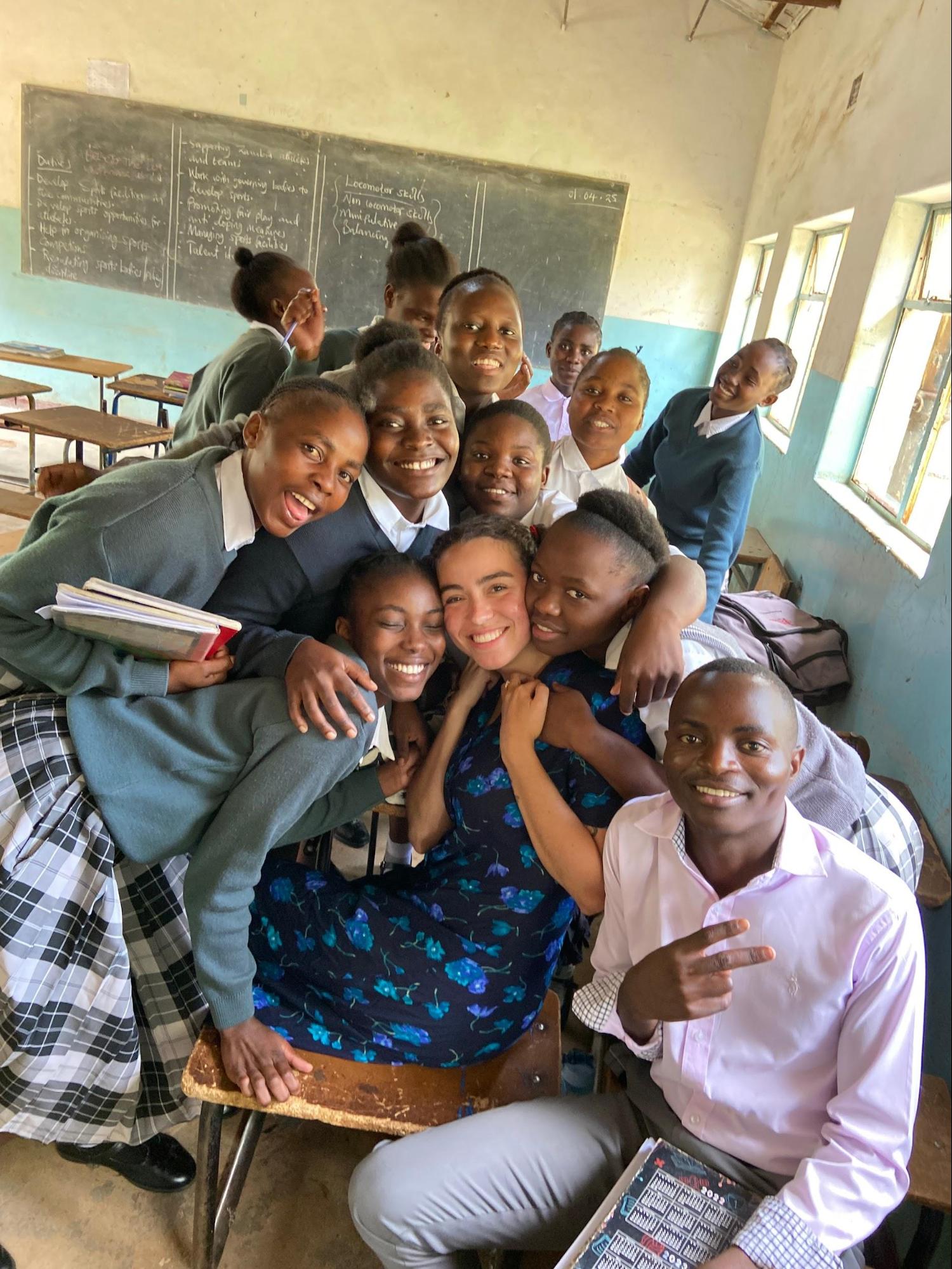
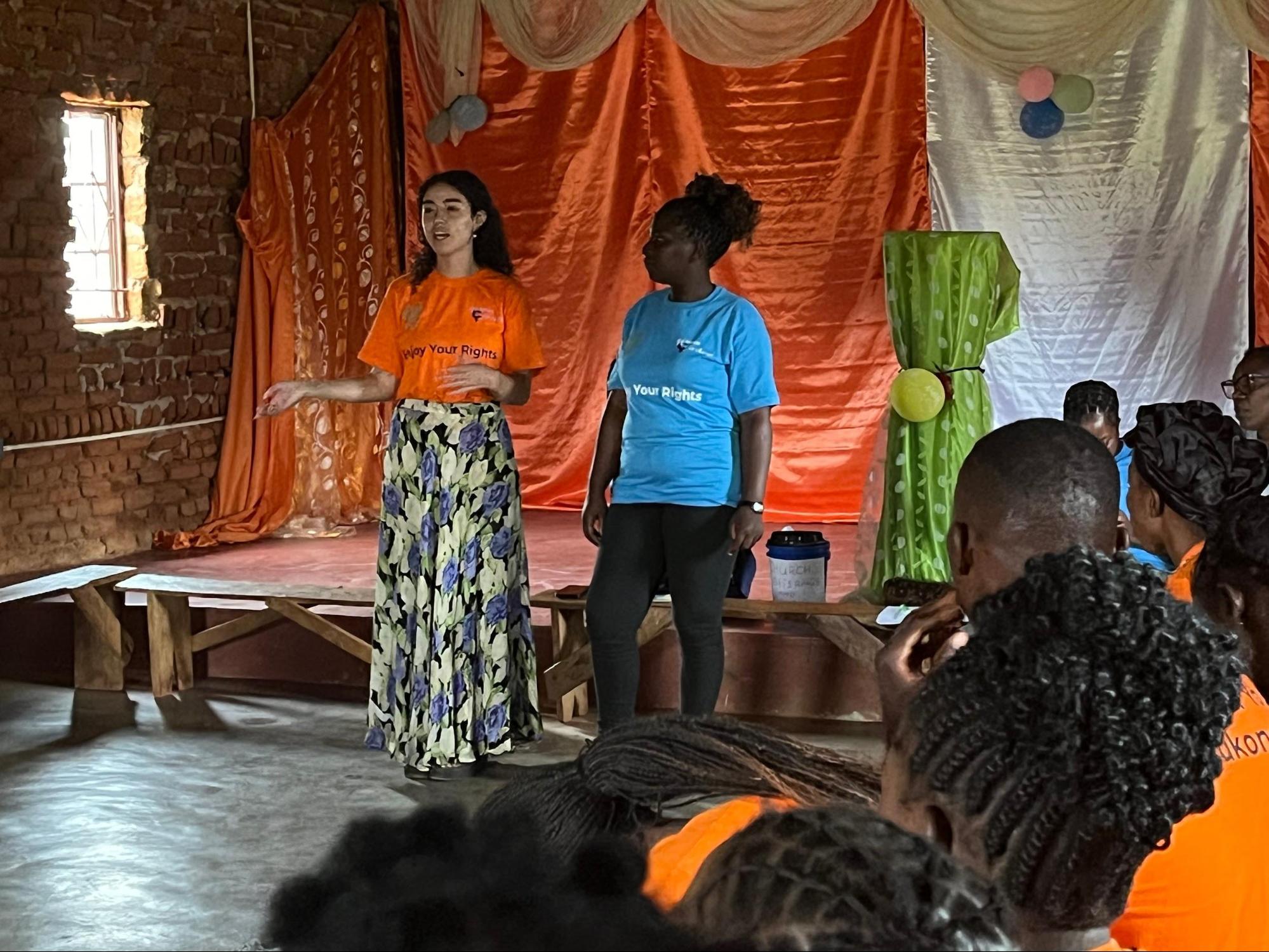
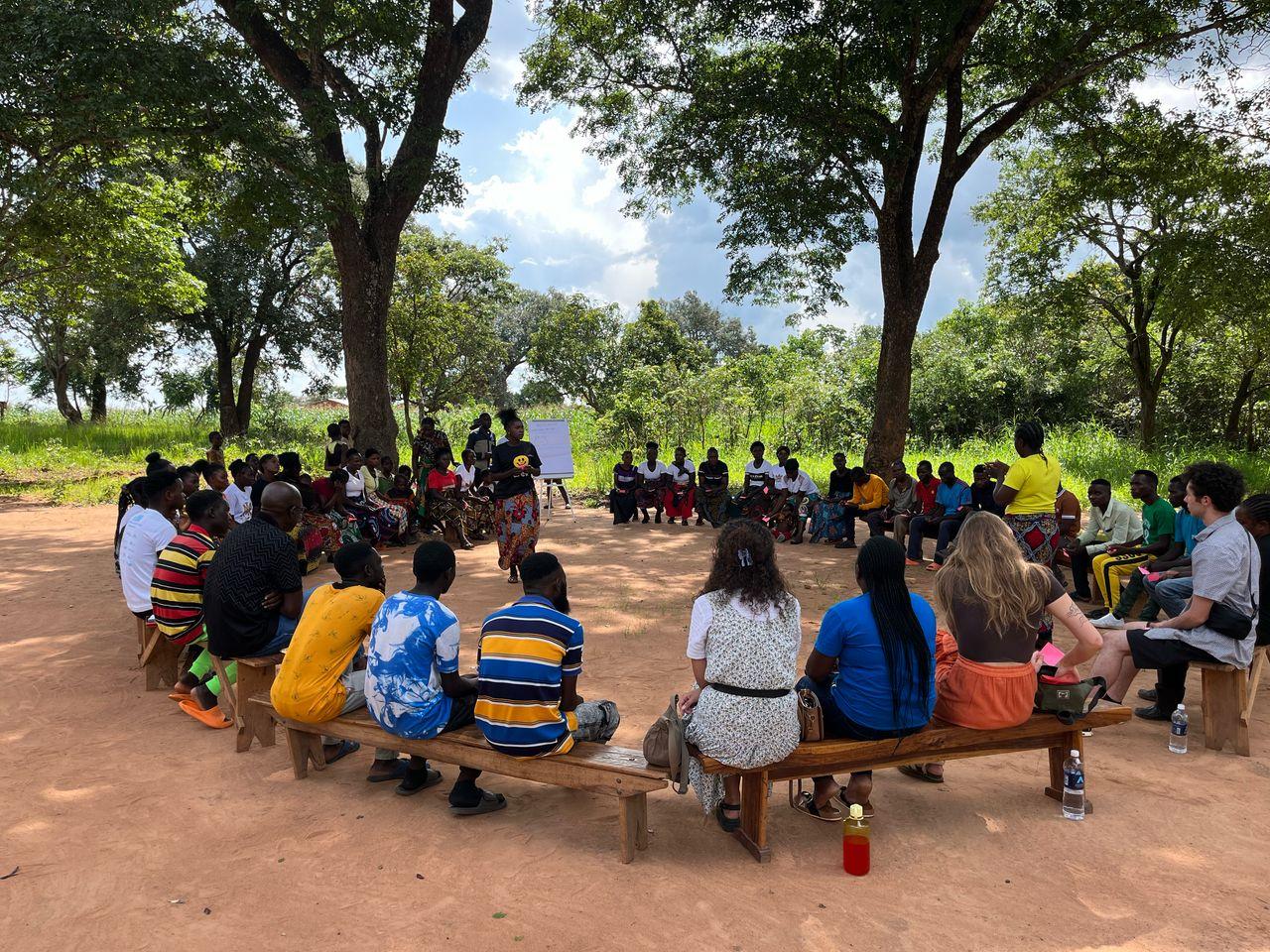
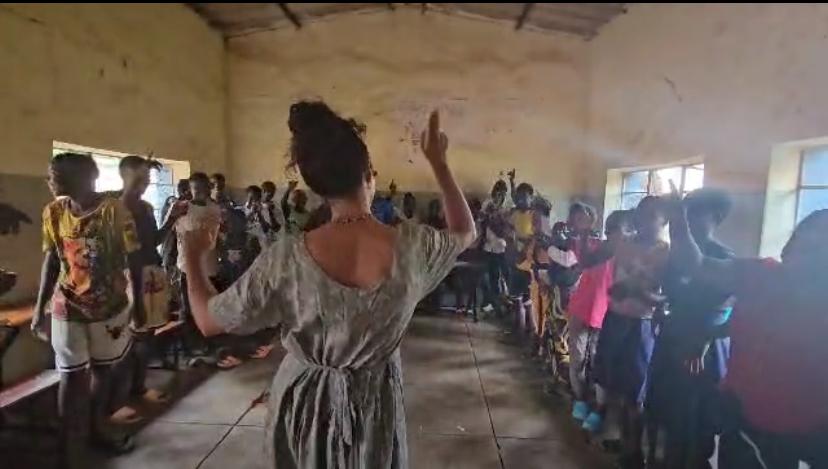
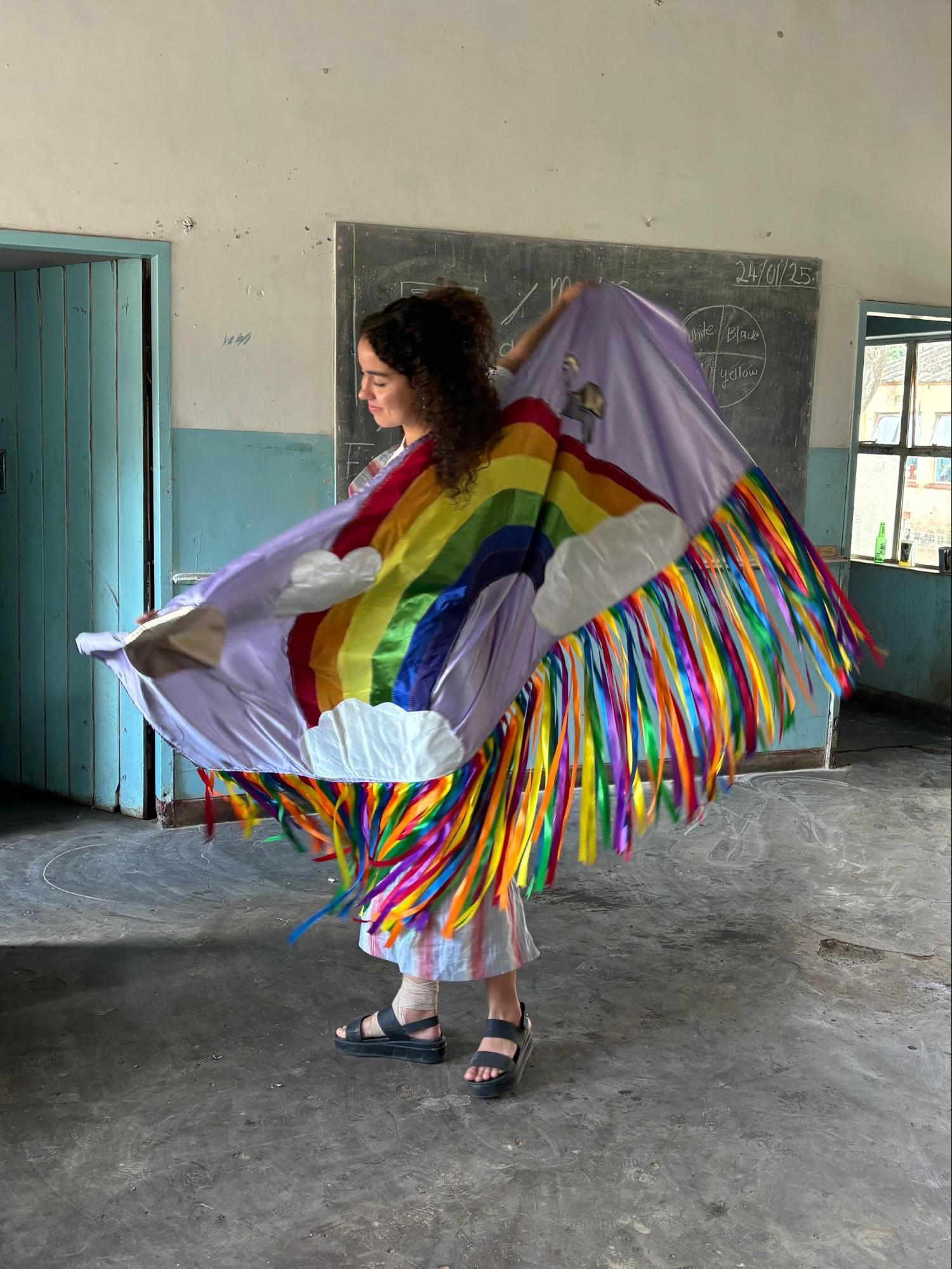
I am proud to be part of the Indigenous Knowledge to Power project, where my Zambian teammates and I are working with nine communities across two districts, Chasefu and Lundazi. We have connected with youth on mental health, gender equality, climate justice, the rights of persons with disabilities, and sexual and reproductive health rights in rural areas to be leaders in their own communities. I will be leading focus groups and researching how Indigenous Knowledge can be collected and shared in an ethical way. This project addresses STG 3 (Good Health and Wellbeing), 5 (Gender Equality),10 (Reduced Inequalities), 11 (Sustainable Cities and Communities), 13 (Climate Action) and 17 (Partnerships for the Goals).
I am also very fortunate to be a part of the Beyond the River project with a group of 5 First Nations, Métis and Inuit emerging leaders living and working in amiskwacîwâskahikan (Edmonton), restoring our relationships with the Lands and Waters we call home. We aim to work with local schools to educate students on First Nations and Métis history and relationships with the river valley, develop a holistic- whole person, whole ecosystem- urban Indigenous fish habitat restoration plan and share what we learn and encourage youth-led, urban restoration projects in other territories. This project addresses STG 3 (Good Health and Wellbeing), 11 (Sustainable Cities and Communities), 13 (Climate Action), 14 (Life Below water), and 15 (Life on Land).
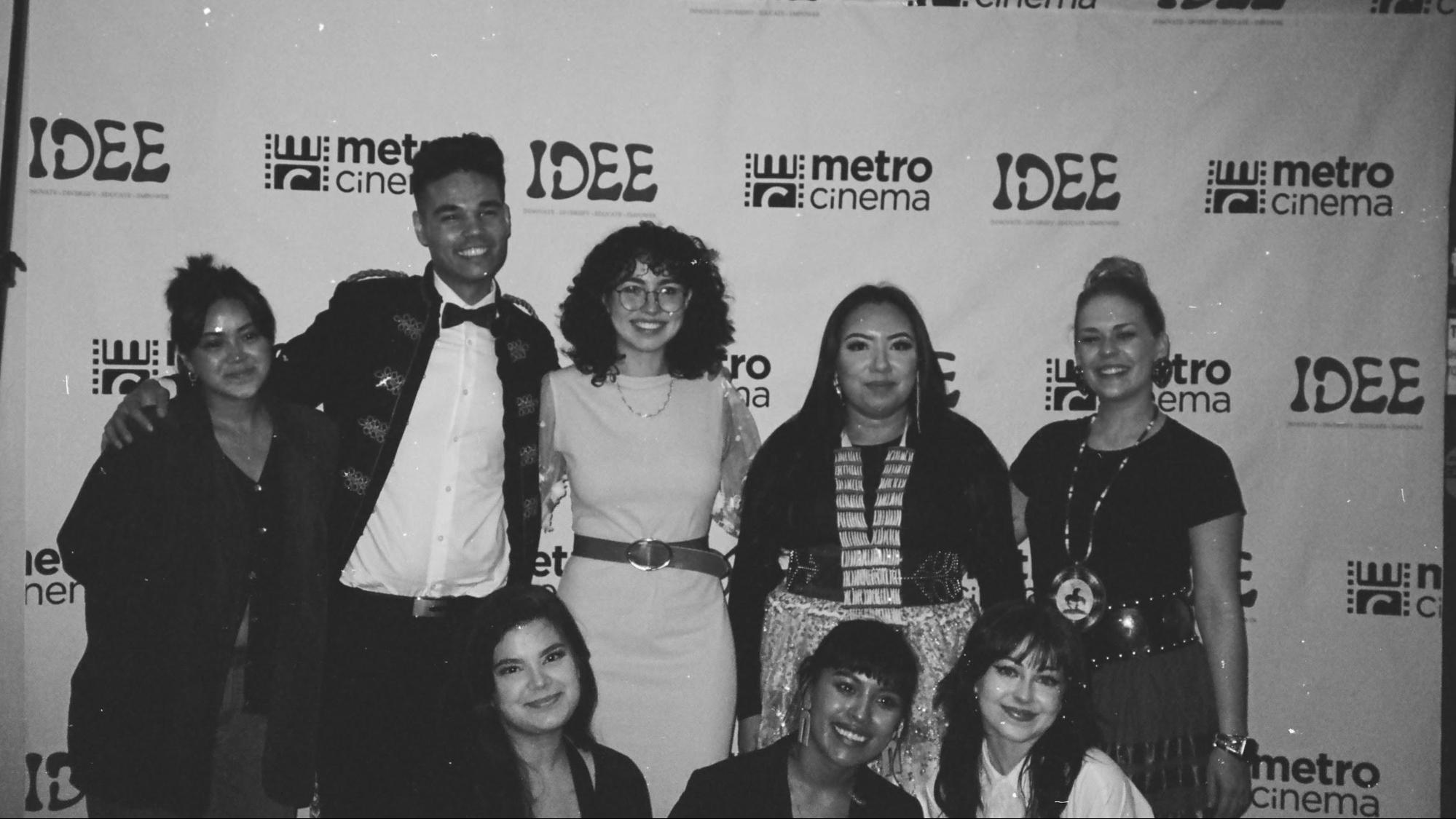
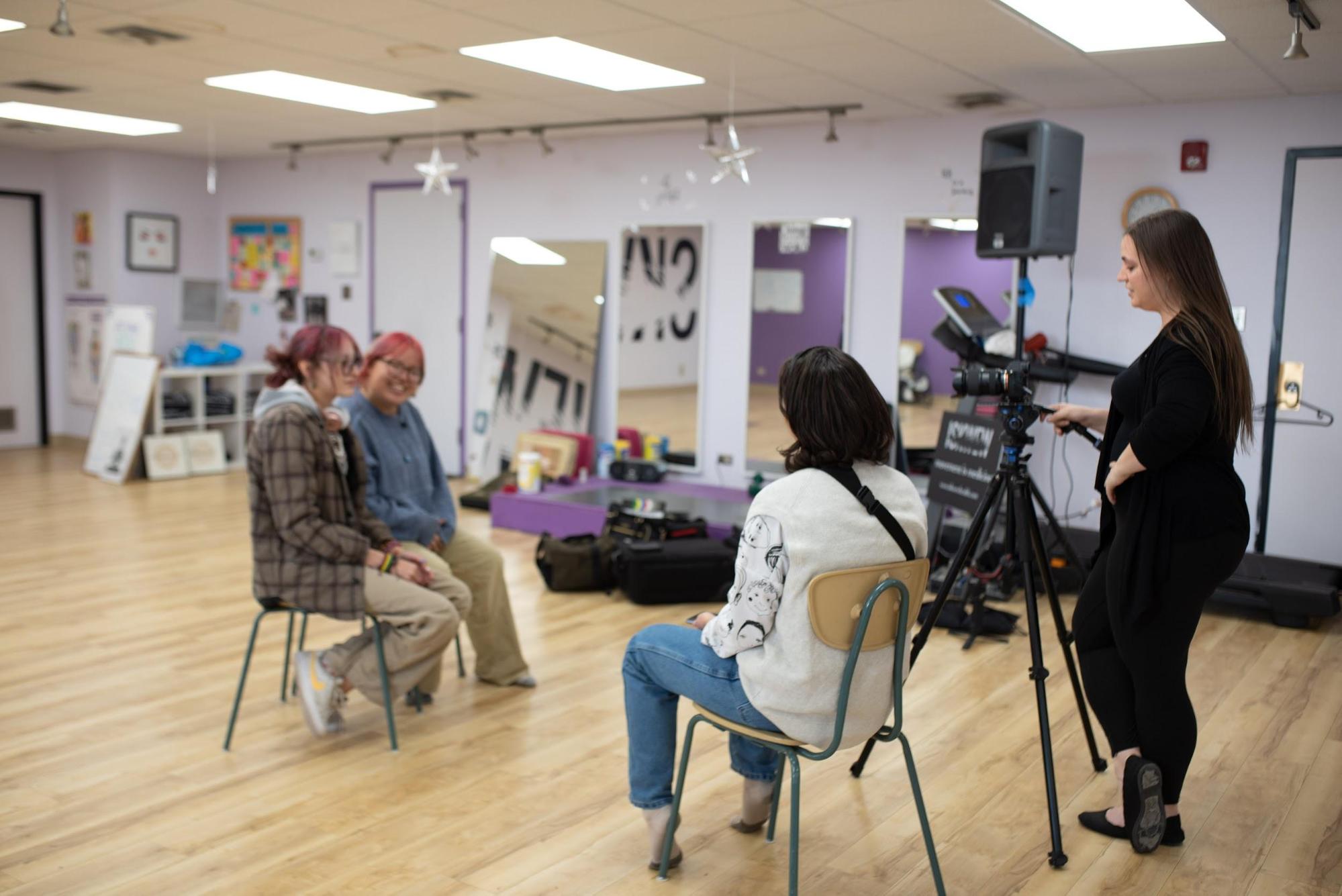
Finally, I feel grateful to be one of the co-founders of IDEE (Innovate, Diversify, Educate, Empower), a project that uplifts underserved youth in amiskwacîwâskahikan by offering free art workshops and cultivating a sense of community and connection. This project addresses STG 3 (Good Health and Wellbeing) and 10 (Reduced Inequalities).
What are the ways in which you curate connection?
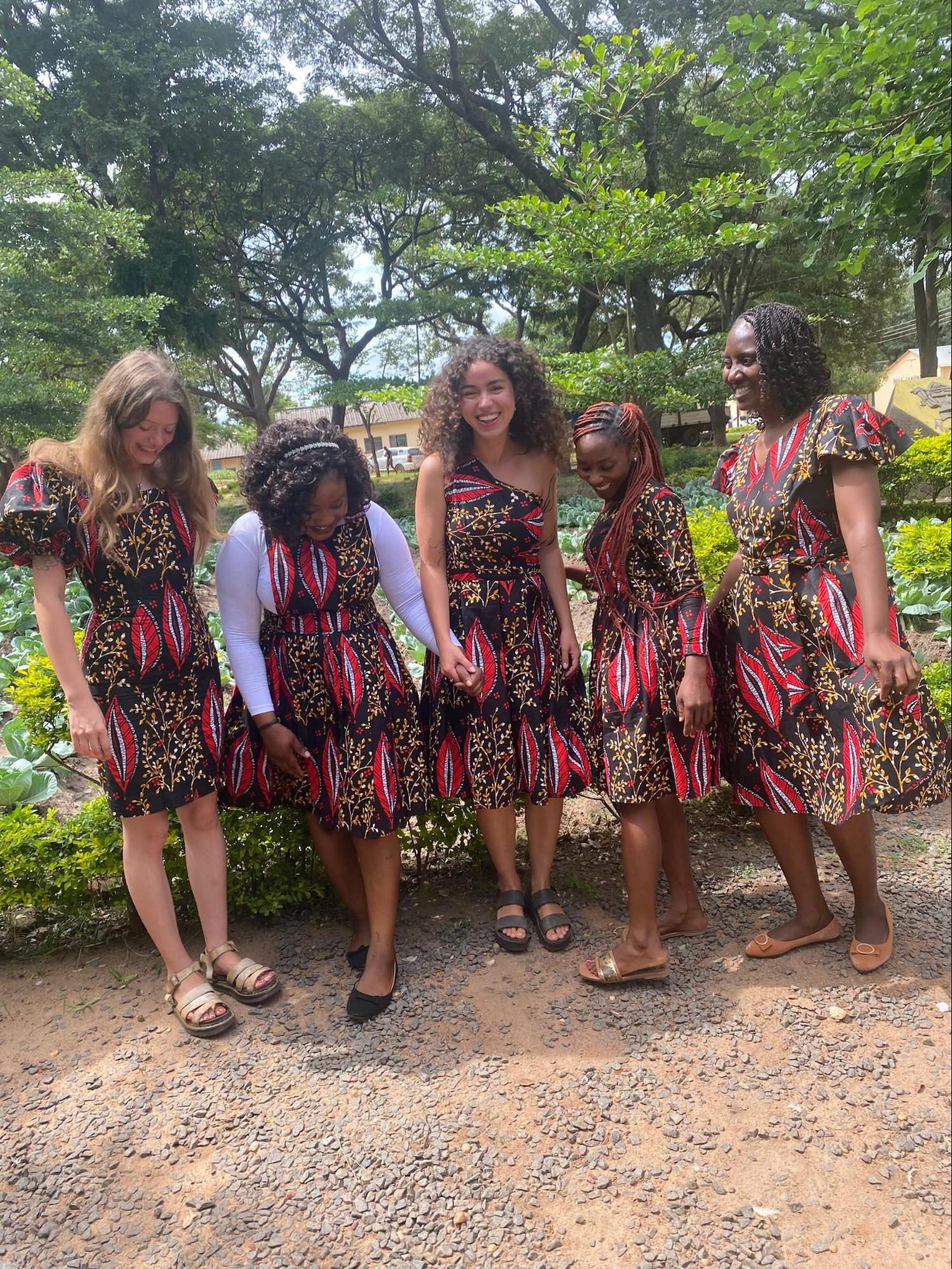
I try to curate connection locally by creating safe spaces for like minded youth to connect with each other and their community through art. I also always encourage and center much of what I do around our connection to the land. Elders carry so much valuable knowledge around conservation and I try to connect them with younger generations when working in climate action. Globally, I aim to connect Indigenous youth from Zambia with Indigenous youth from Canada to discover the many things they have in common and build solidarity.
Elders and Knowledge Keepers
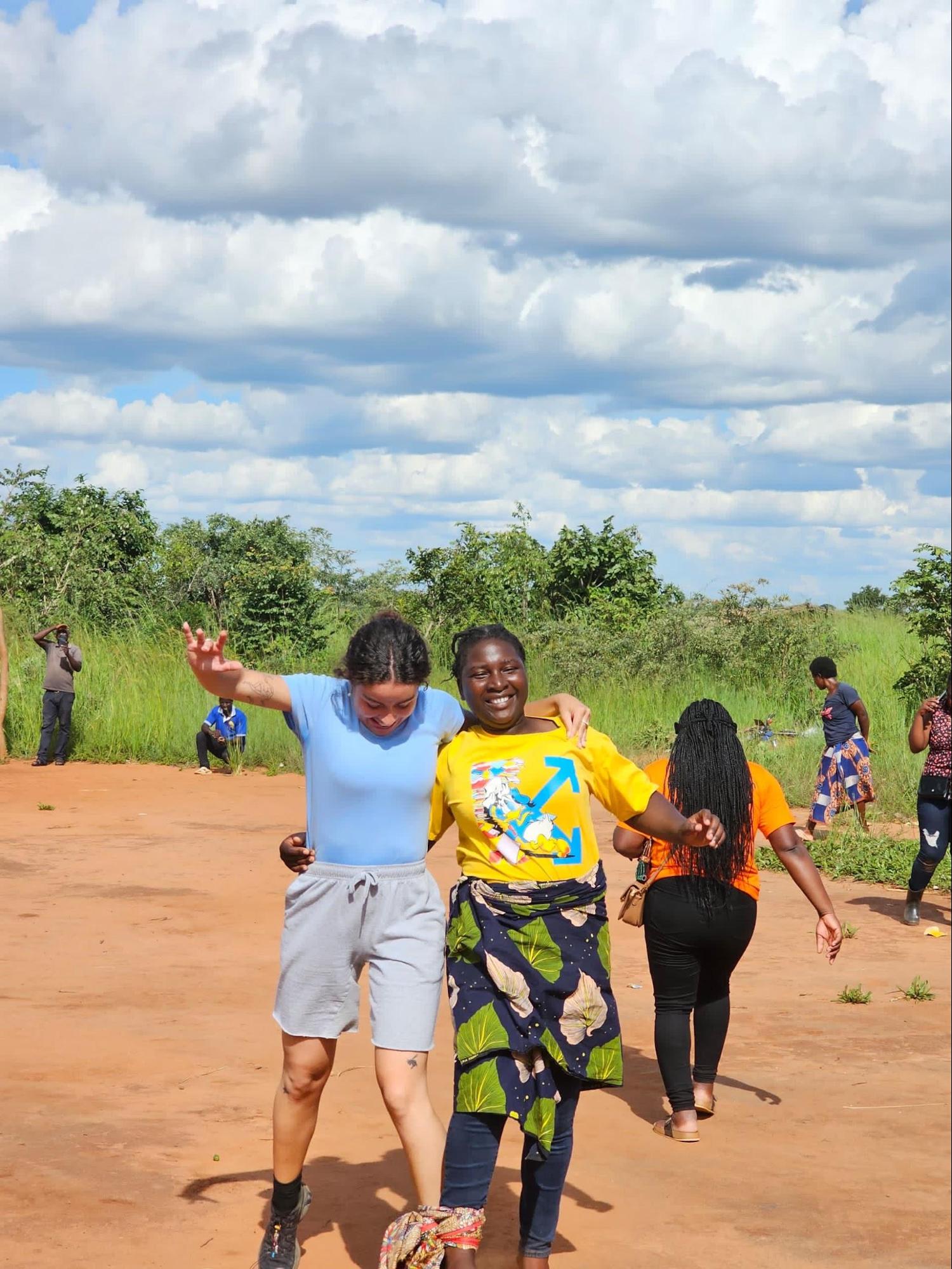
I engage in this work with the awareness that it is such an honour to be welcomed into the rural communities our projects are in. I try to encourage discussions around how we are also affected by issues that affect them and share more similarities than one would think. I think it’s very important to build relationships with people, so that they feel comfortable and pressure is taken away from our conversations. Strong relationships build trust and solidarity and these are some of the goals of this work. I do not find balancing my passions with the collective needs of the community challenging, but rather uplifting. This is because many of the youth I get to work with share the same passions and values as me, which is incredibly inspiring. Along with this, I get to witness other youth learn more about the issues I am passionate about and then see them become impassioned also.
During one of our community visits in Kanyanga, a local elder joined the group of youth to share about what the land used to look like and how much it has changed. She described how she used to cross the river and it was deep and full of fish, but more recently the farming community had to grapple with a drought. I then took time to explain how it reminded me of how we had a brown Christmas last winter in my city because the snow came so late for us- something that hadn’t been seen in years. This sharing of realities we face due to climate change transformed the way I approach knowledge sharing and gave me a newfound view of how collaborative it can be.
What role will connection play in your future work?
I strongly believe connection will play an integral role in the future of my work. The world is facing many crises, and it is important that we come together to strengthen solidarity and build the sharing of knowledge. In order to tackle global issues, we need global solutions created from many sets of knowledge, understandings, and perspectives. When conducting focus groups with elders and youth in the communities, the connections I form with them will be so helpful in creating a space where they feel as though they can share openly- ensuring everyone’s voice is heard.
Lasting change comes from connections that build trust, empathy and ownership. When people genuinely feel seen, respected and heard, they are more encouraged to engage, lead and ensure the project is sustainable. Community-led and power-aware connections are vital as they prioritize co-creation and shift decision making to those most affected.
Yes, connection can drive the future of sustainable, inclusive development because it turns it from something done to communities to something built by and with them. Connection builds trust and shared ownership, centers lived experience and ensures those most affected shape priorities. When development is rooted in strong connections, it becomes more adaptive and resilient to current and future challenges.
More Top 30s from 2026